Kitanomaru Garden: A Natural, Cultural, and Historical Oasis in Central Tokyo
Introduction
Kitanomaru Garden is a picturesque woodland park located in central Tokyo. Once the residence of the powerful Tokugawa clan, this serene park has been a popular destination for walkers, couples, and visitors since it opened to the public in 1969. With its rich history, stunning natural beauty, and cultural attractions, Kitanomaru Garden offers a unique experience for both locals and tourists alike.
History of Kitanomaru Garden
Originally part of the Edo Castle grounds, Kitanomaru Garden has a fascinating history that dates back to the Edo period. During this time, the garden served as the residence of the Tokugawa clan, who were the ruling family of japan. The garden was designed to showcase the clan’s power and wealth, with elaborate structures and beautiful landscapes.
After the Meiji Restoration in 1868, the Tokugawa clan lost their power, and the garden was opened to the public. Many of the original gates and sections of the moat have been preserved, providing visitors with a glimpse into the past.
The Natural Beauty of Kitanomaru Garden
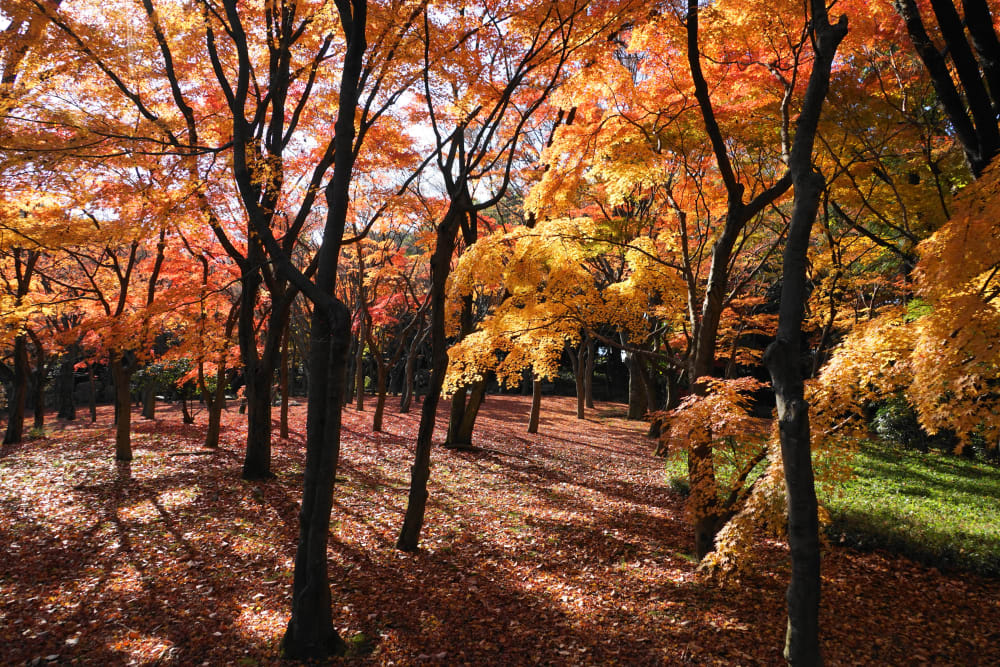
One of the highlights of Kitanomaru Garden is its stunning natural beauty. The park is home to a variety of trees, including cherry blossoms, maple trees, and gingko trees. During the spring, the garden transforms into a sea of pink cherry blossoms, creating a breathtaking sight. Visitors can enjoy a picnic under the cherry trees or take a leisurely stroll along the tree-lined paths.
In the fall, the garden is ablaze with fiery red maple leaves. The west side of the park is particularly famous for its Momiji-yama, a garden filled with maple trees. The vibrant colors of the leaves create a magical atmosphere, drawing visitors from near and far.
Wildlife in Kitanomaru Garden
Kitanomaru Garden is not only a haven for nature lovers but also a sanctuary for wildlife. The park is home to a wide variety of wild birds, thanks to its abundance of berry-laden trees and bushes. Visitors can spot various bird species throughout the year, making it a paradise for birdwatchers.
Cultural Attractions in Kitanomaru Garden
Aside from its natural beauty, Kitanomaru Garden is also home to several cultural attractions. The park encompasses the Nippon Budokan, a famous venue for martial arts events and concerts. Martial arts enthusiasts can witness traditional Japanese martial arts performances or attend concerts by renowned artists.
Nearby, visitors can explore the National Museum of Modern Art, Tokyo. The museum houses an extensive collection of modern and contemporary art, showcasing the works of both Japanese and international artists. Art enthusiasts can immerse themselves in the world of art and gain a deeper understanding of Japanese culture.
Another cultural attraction in the vicinity is the National Showa Memorial Museum. The museum documents the history and culture of Japan during the Showa period (1926-1989). Visitors can learn about the significant events and social changes that took place during this era through various exhibits and displays.
How to Get to Kitanomaru Garden
The most convenient entrance to Kitanomaru Garden is from the Kudanshita side. Visitors can access the park through the Tayasumon Gate, which is just a two-minute walk from Kudanshita Station. The station is serviced by the Tozai, Hanzomon, and Shinjuku subway lines, making it easily accessible from various parts of Tokyo.
Conclusion
Kitanomaru Garden is a hidden gem in the heart of Tokyo, offering a harmonious blend of nature, history, and culture. Whether you’re seeking a peaceful stroll amidst beautiful landscapes, a cultural experience at museums, or a glimpse into Japan’s rich history, Kitanomaru Garden has something for everyone. Immerse yourself in the tranquil surroundings, admire the seasonal beauty, and embrace the serenity of this natural, cultural, and historical oasis in central Tokyo.
Address And Maps Location:
1-1 Kitanomaru Koen, Chiyoda-ku, Tokyo-to
Find Location And Direction On Google Maps
Subscribe, follow travelbloggerindonesia.com