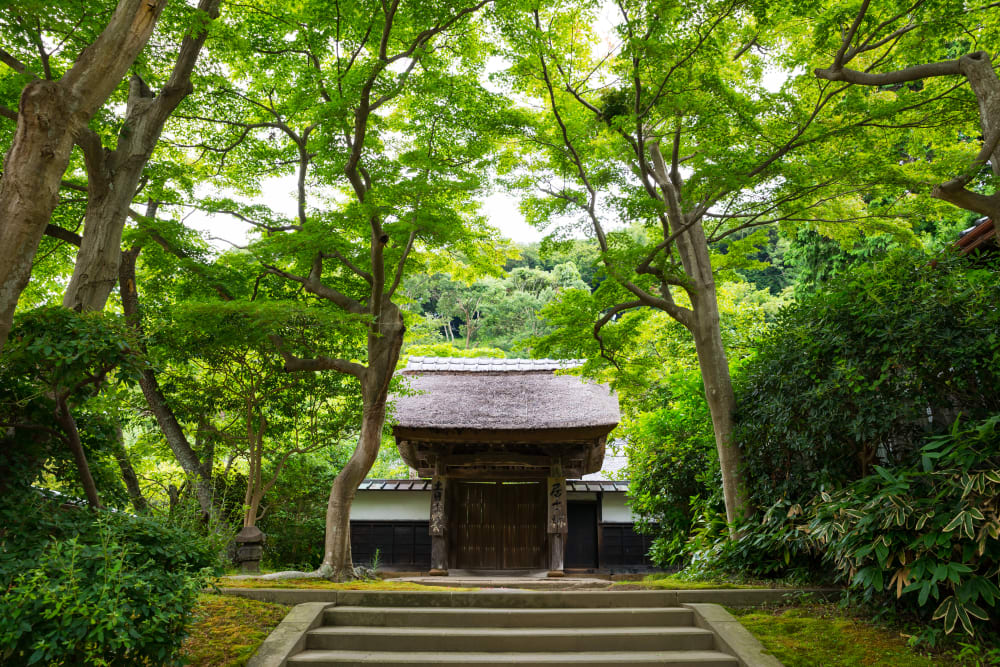
Engakuji Temple: A Glimpse into japan‘s Zen Tradition
Introduction
Engakuji Temple, located in Kamakura, Japan, is one of the country’s most important Zen temples. Established in 1282, the temple holds great historical significance as it was built to commemorate those who sacrificed their lives during the Mongol invasions of 1274 and 1281. Today, Engakuji remains a prominent Rinzai Zen temple, attracting both locals and travelers alike. Its serene atmosphere, stunning autumn maple leaves, and rich cultural heritage make it a must-visit destination. In this article, we will explore the history, cultural treasures, and unique experiences offered by Engakuji Temple.
History and Cultural Significance
Engakuji Temple was founded by the regent Hojo Tokimune in 1282. The temple played a crucial role in preserving Zen Buddhism during a tumultuous period in Japan’s history. The Mongol invasions posed a significant threat to the country’s stability, and Engakuji was built as a symbol of resilience and remembrance. Today, the temple stands as a testament to the bravery and sacrifice of those who defended Japan.
The temple’s architectural beauty and cultural treasures have earned it the designation of a National Treasure. The Shariden Hall, where the Buddha’s bones are said to be enshrined, is one of the most revered and significant structures within Engakuji. Its intricate design and historical importance make it a must-see for visitors. Additionally, the temple boasts a massive bell, cast in the 14th century, which hangs near the entrance gate. This bell serves as a reminder of Engakuji’s enduring legacy.
Exploring Engakuji Temple
As you enter Engakuji Temple, you will be greeted by the tranquil atmosphere and lush surroundings. The temple grounds are home to numerous Japanese maple trees, which transform into a vibrant shade of red during the autumn season. This natural spectacle attracts countless visitors, particularly in early December when the trees are in full bloom. The sight of the crimson leaves against the backdrop of the temple’s architecture is truly breathtaking.
While some areas of the temple are restricted to the public, there are still plenty of opportunities to explore and appreciate its beauty. The Shozokuin building, which has stood since the temple’s founding, is still actively used for training monks. Visitors can catch glimpses of this traditional training facility and witness the monks’ dedication to their spiritual practice.
For those seeking a deeper understanding of Zen Buddhism, Engakuji Temple offers meditation sessions held on the second and fourth Sunday mornings of each month. These sessions provide a unique opportunity to experience the tranquility and introspection that Zen meditation offers. It is important to note that the sessions are conducted in Japanese, so a basic understanding of the language is recommended.
Getting to Engakuji Temple
Engakuji Temple is conveniently located just a one-minute walk from JR Kita Kamakura Station. If you are coming from JR Kamakura Station, simply take the JR Yokosuka Line and alight at Kita Kamakura Station. The short journey allows for easy access to this historical site.
Conclusion
Engakuji Temple stands as a testament to Japan’s rich cultural heritage and its enduring commitment to Zen Buddhism. From its historical significance to its stunning autumn foliage, the temple offers a unique and immersive experience for visitors. Whether you are interested in Japanese history, spiritual enlightenment, or simply enjoying the beauty of nature, Engakuji Temple is a destination that should not be missed. Take a step back in time and immerse yourself in the tranquility and spirituality of this remarkable Zen temple.
Address And Maps Location:
409 Yamanouchi, Kamakura-shi, Kanagawa-ken
Find Location And Direction On Google Maps
Subscribe, follow travelbloggerindonesia.com