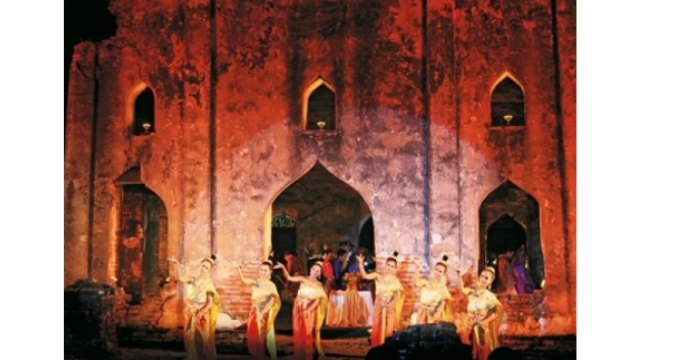
Heading 2: King Narai’s Palace and Somdet Phra Narai National Museum
King Narai’s Palace and Somdet Phra Narai National Museum is an important palace of Thai history. It was designed and constructed by French and Italian engineers. The palace and museum are located in Tambon Tha Hin, Amphoe Mueang Lop Buri, Lop Buri province. The artefacts are displayed in the buildings of the Palace and different pavilions in the Museum.
The palace and museum provide visitors with a glimpse into the rich history and culture of Thailand. The architecture of the palace is a blend of Thai and European styles, reflecting the influence of both cultures during the reign of King Narai. The buildings are beautifully preserved, and visitors can explore the various rooms and halls that were once used by the royal family.
The museum houses a collection of artefacts that date back to the Ayutthaya period. These include ceramics, sculptures, and paintings that provide insight into the artistic and cultural heritage of the region. The artefacts are displayed in a chronological order, allowing visitors to trace the history of the area from ancient times to the present day.
Visitors to the palace and museum can also learn about the life and reign of King Narai through informative exhibits and displays. King Narai was a key figure in Thai history, known for his diplomatic relations with foreign powers and his efforts to modernize the country. His palace and museum serve as a testament to his legacy and the importance of preserving Thailand’s cultural heritage.
The palace and museum are open to the public from Wednesday to Friday. However, they are closed on Monday and Tuesday, so visitors should plan their visit accordingly. Guided tours are available, providing visitors with a deeper understanding of the history and significance of the site.
Heading 2: Phra Kan Shrine and Phra Prang Sam Yot
Phra Kan Shrine and Phra Prang Sam Yot are two important landmarks in Lop Buri province. Located in Tambon Tha Hin, Amphoe Mueang Lop Buri, these sites offer visitors a unique cultural and religious experience.
Phra Kan Shrine is a main shrine of Lop Buri province, where people come to ask for blessings and witness the adorable behavior of the monkeys that inhabit the area. The shrine is believed to bring good luck and prosperity to those who visit and make offerings. Visitors can observe the monkeys in their natural habitat, climbing trees and playing in the surrounding area.
Phra Prang Sam Yot is an outstanding landmark of Lop Buri, featuring a Bayon-Khmer art style stupa with three prang towers connected to each other in the same line. The architecture of Phra Prang Sam Yot is unique and showcases the artistic skills of the craftsmen of the time. Visitors can explore the site and marvel at the intricate carvings and sculptures that adorn the towers.
Both Phra Kan Shrine and Phra Prang Sam Yot are located in Tambon Tha Hin, Amphoe Mueang Lop Buri, Lop Buri province. These sites are easily accessible and offer visitors an opportunity to learn about the history and culture of the region. Guided tours are available, providing visitors with insights into the significance of these landmarks and their role in the religious and cultural life of the local community.
Heading 2: Wat Phra Si Rattana Mahathat
Wat Phra Si Rattana Mahathat, located in Tambon Tha Hin, Amphoe Mueang Lop Buri, is a must-visit site for those interested in Thai architectural history. The temple is home to the first Thai architectural prang, which served as a prototype for many prangs in the Ayutthaya era.
The main prang of Wat Phra Si Rattana Mahathat enshrines the Buddha’s relics and is a place of worship for Buddhists. The highlight of the temple is the star fruit-shaped stupa, which is a rare and prominent architectural feature. The stupa is intricately designed and showcases the craftsmanship of the artisans of the time.
Visitors to Wat Phra Si Rattana Mahathat can explore the temple grounds and admire the beautiful architecture and religious artifacts. The temple is a peaceful and serene place, offering visitors a chance to reflect and find inner peace. Guided tours are available, providing visitors with a deeper understanding of the temple’s history and significance.
The temple is located in Tambon Tha Hin, Amphoe Mueang Lop Buri, Lop Buri province. It is easily accessible and can be included in a day trip to explore the cultural and historical sites of Lop Buri. Visitors should note that proper attire is required when visiting the temple, and respectful behavior is expected.
Heading 2: Luk Son Chinese Shrine
Luk Son Chinese Shrine, also known as “ศาลลูกศร” in Thai, is a place of worship and cultural significance in Lop Buri province. Located in Tambon Tha Hin, Amphoe Mueang Lop Buri, the shrine is dedicated to Chinese gods and is a popular destination for locals and tourists alike.
Visitors to Luk Son Chinese Shrine can pay homage to the statues representing Chinese gods, such as Pun Thao Kong, Pun Thao Ma, Chao Pho Guan U, and Chao Pho Khao Tok. These deities are believed to bring good luck, prosperity, and protection to those who worship them. The shrine is beautifully decorated with intricate carvings and colorful paintings, creating a vibrant and lively atmosphere.
One of the highlights of the shrine is a sacred stone immersed in water, believed to be an arrow of Phra Ram. Legend has it that if the water soaking this stone dries up, Lop Buri would be on fire. Visitors can witness this unique tradition and learn about the local beliefs and customs.
Luk Son Chinese Shrine is located in Tambon Tha Hin, Amphoe Mueang Lop Buri, Lop Buri province. It is easily accessible and can be visited as part of a day trip to explore the cultural and historical sites of the area. The shrine offers a fascinating insight into the Chinese influence on the local culture and is a must-visit destination for those interested in religious and cultural heritage.
Heading 2: Ban Luang Rap Ratchathut (Ban Wichayen)
Ban Luang Rap Ratchathut, also known as “บ้านหลวงรับราชทูต (บ้านวิชาเยนทร์)” in Thai, is a magnificent architectural site that showcases a combination of Renaissance and Thai styles. The site is located in Tambon Tha Hin, Amphoe Mueang Lop Buri, Lop Buri province.
The architecture of Ban Luang Rap Ratchathut reflects the influence of King Narai the Great, who reigned during the 17th century. The buildings feature intricate carvings, grand facades, and beautiful gardens, creating a picturesque and regal atmosphere. The site is a testament to the artistic and architectural achievements of the time and is a popular destination for those interested in history and culture.
Visitors to Ban Luang Rap Ratchathut can explore the site and learn about the history and significance of the buildings. Guided tours are available, providing visitors with insights into the architectural styles and the life and reign of King Narai. The site also offers opportunities for photography and relaxation, with its serene gardens and stunning views.
Ban Luang Rap Ratchathut is located in Tambon Tha Hin, Amphoe Mueang Lop Buri, Lop Buri province. It is easily accessible and can be included in a day trip to explore the cultural and historical sites of Lop Buri. Visitors should note that proper attire is required when visiting the site, and respectful behavior is expected.
Heading 2: Namtok Wang Kan Lueang Aboretum
Namtok Wang Kan Lueang Aboretum, also known as “สวนรุกขชาติน้ำตกวังก้านเหลือง” in Thai, is a beautiful waterfall located in Tambon Tha Din Dam, Amphoe Tha Luang, Lop Buri province. The waterfall is a popular destination for nature lovers and those seeking tranquility and relaxation.
The waterfall is fed by a large spring that emerges from underground and meanders along a sloping path. The water then converges at a reservoir and overflows from the head spring, creating a stunning and extensive descending waterfall that spans over 3 kilometers. The waterfall is a year-round attraction, with water flowing continuously.
Visitors to Namtok Wang Kan Lueang Aboretum can enjoy the natural beauty of the waterfall and its surroundings. The area is rich in biodiversity, with lush vegetation and diverse wildlife. Visitors can explore the walking paths and enjoy the peaceful atmosphere of the arboretum.
For more information about Namtok Wang Kan Lueang Aboretum, visitors can contact the provided telephone number. The waterfall is located in Tambon Tha Din Dam, Amphoe Tha Luang, Lop Buri province. It can be accessed by car or public transportation, and parking facilities are available for visitors.
Heading 2: Pa Sak Jolasid Dam
Pa Sak Jolasid Dam, also known as “เขื่อนป่าสักชลสิทธิ์” in Thai, is a significant water resource management project in Lop Buri province. The dam was built as part of the Maenam Pa Sak Royal Development Project, initiated by King Bhumibol Adulyadej to prevent flooding and efficiently contain water.
The dam is the longest earthen dam in Thailand and provides a viewpoint of a railway of the Northeastern route that runs past it. When the train stops, visitors can enjoy the view of a train seemingly floating on the river, creating a unique and picturesque sight. The dam also features the Pa Sak Basin Museum, Chaloem Phrakiat Tower, restaurants, souvenir shops, accommodations, and camping areas.
One of the highlights of Pa Sak Jolasid Dam is a locomotive train that offers sightseeing along the dam’s ridge. Visitors can cross to the side of Amphoe Wang Muang in Saraburi province and pay respect to the Buddha image, Phra Phuttharattanamani Mahabophit Cholasit Mongkhon Chai (Luangpu Yai Pa Sak). This experience provides visitors with a unique perspective of the dam and the surrounding natural beauty.
For further details and information about Pa Sak Jolasid Dam, visitors can contact the provided telephone number. The dam is located in Tambon Nong Bua, Amphoe Phatthana Nikhom, Lop Buri province. It can be reached by car or public transportation, and parking facilities are available for visitors.
Heading 2: Sunflower Field, Lop Buri
Sunflower Field, Lop Buri, also known as “ทุ่งทานตะวันบาน จังหวัดลพบุรี” in Thai, is a unique attraction that showcases the beauty of sunflowers. This area has the most sunflower plants in the country, covering approximately 200,000-300,000 rai. The sunflowers blossom during November to January, creating a vibrant and colorful landscape.
Sunflowers are xerophyte plants, meaning they are drought-resistant and can thrive in dry conditions. Farmers in the area grow sunflowers as a replacement for corn. Sunflower seeds are rich in nutrients and can be used for various purposes, such as cooking oil, roasted snacks, and cosmetic compositions. The flowers also attract bees, making sunflower farming a sustainable and profitable occupation.
Sunflower plantations can be found in Amphoe Mueang Lop Buri, Amphoe Phatthana Nikhom, and Amphoe Chai Badan. The majority of sunflowers are grown in the area of Khao Chin Lae near Wat Welu Wan, Tambon Khok Tum, Amphoe Mueang Lop Buri. Visitors to the sunflower fields can enjoy the beauty of the flowers and the picturesque countryside.
Heading 2: Military attractions
Lop Buri is known as a “Military town” due to the presence of many military units in the area. The town has been an important strategic location since ancient times and was chosen as the second stronghold of the country during the Ayutthaya period. The military development in Lop Buri gained prominence during the period of General Po Phibulsongkhram serving as Prime Minister.
The military attractions in Lop Buri offer visitors a unique opportunity to learn about the country’s military history and the role of the town in national defense. Some of the notable military sites include the Special Warfare Command (Camp A03), Artillery Centre, Army Aviation Centre, and 13th Military Circle. These attractions provide insights into the training, equipment, and capabilities of the Thai military.
Visitors to the military attractions can participate in guided tours and witness military exercises and demonstrations. These experiences offer a glimpse into the daily lives of soldiers and the dedication and professionalism of the Thai military. It is important to note that some areas may have restrictions or require prior permission to access.
The military attractions are located in Amphoe Mueang Lop Buri, Lop Buri province. Visitors can plan a visit to these sites as part of a day trip to explore the cultural and historical sites of Lop Buri. It is recommended to check the opening hours and any specific regulations before visiting.
Heading 2: Ban Suan Khwan
Ban Suan Khwan, also known as “บ้านสวนขวัญ” in Thai, offers visitors a unique experience to sip coffee by the canalside, cruise along the river, and admire nature and the local way of life. The site is located in Bang Kham, Amphoe Ban Mi, Lop Buri province.
Visitors to Ban Suan Khwan can enjoy a leisurely boat cruise along the canals and experience the serene beauty of the surrounding nature. The cruise allows visitors to observe the local way of life along the river and learn about the customs and traditions of the local community. Ancient wooden houses can be seen along the river, providing a glimpse into the architectural heritage of the region.
The site also offers opportunities to learn about local wisdom and traditional crafts. Visitors can observe the process of making soybean milk batik cloth, visit the local living agricultural museum, and appreciate the handicraft of wicker baskets, which have been transformed into a five-star OTOP product. These activities showcase the creativity and skills of the local artisans.
Ban Suan Khwan is located in Bang Kham, Amphoe Ban Mi, Lop Buri province. It can be reached by car or public transportation, and parking facilities are available for visitors. The site offers a peaceful and relaxing atmosphere, allowing visitors to escape the hustle and bustle of daily life and immerse themselves in the beauty of nature and local culture.
In conclusion, Lop Buri province offers a wide range of cultural, historical, and natural attractions for visitors to explore. From the King Narai’s Palace and Somdet Phra Narai National Museum to Phra Kan Shrine and Phra Prang Sam Yot, each site provides a unique glimpse into the rich heritage of the region. Whether it’s exploring ancient temples, visiting military attractions, or enjoying the beauty of sunflower fields and waterfalls, Lop Buri offers something for every traveler. Visitors can immerse themselves in the history, culture, and natural beauty of the province, creating lasting memories and a deeper understanding of Thailand’s diverse heritage.
Subscribe, follow travelbloggerindonesia.com