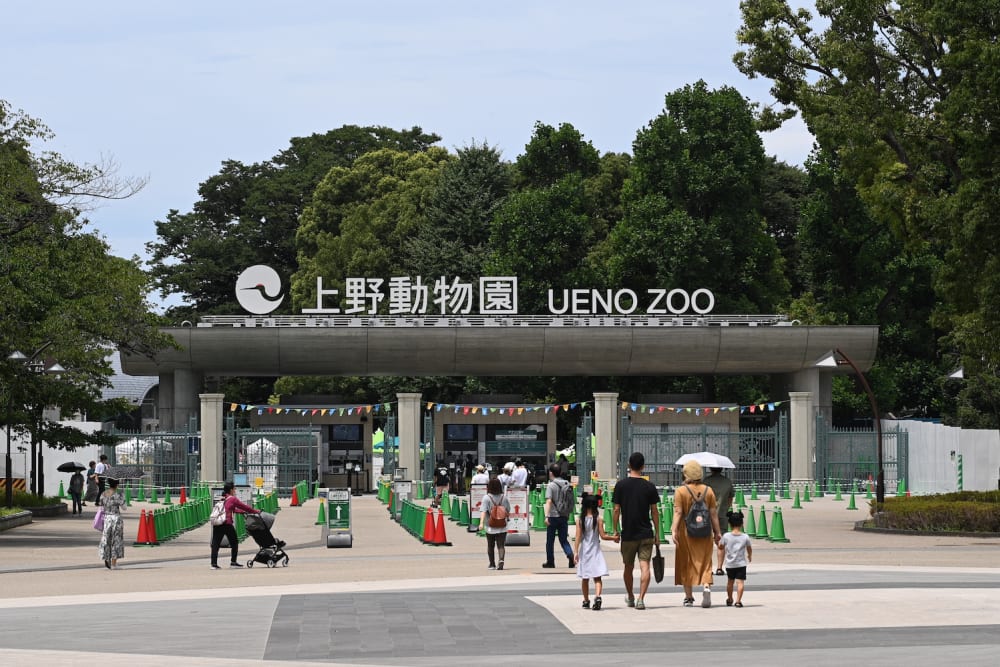
Ueno Zoological Gardens, better known as Ueno Zoo, is Japan’s oldest zoo and one of Tokyo’s most approachable attractions for families, wildlife enthusiasts and travellers who want a slower-paced break from the city. Opened in 1882, it occupies part of Ueno Park in Taito City, with an East Garden and West Garden connected by paths. This updated guide explains what you can actually see in 2026, how much tickets cost, which entrance to choose and how to build a sensible itinerary.
Planning a wider trip to japan? Pair the zoo with our guides to Ueno Park and the surrounding Ueno neighbourhood. The zoo is easy to reach without a car, and the area’s museums, shrines and markets make it possible to spend a full day nearby.
Key Takeaways
Ueno Zoo at a Glance: 2026 Visitor Information
- Address: 9-83 Ueno Park, Taito-ku, Tokyo 110-8711.
- Standard opening hours: 9:30 a.m.–5:00 p.m.; admission and ticket sales generally end at 4:00 p.m.
- Regular closures: Mondays, with a following-day closure when Monday is a public holiday; December 29–January 1. Special calendars may differ.
- General admission: ¥600 for adults, ¥300 for visitors aged 65 and over, and ¥200 for junior-high-school students. Children through elementary school enter free; eligible Tokyo-resident junior-high students also enter free with proof.
- Time to allow: Around two to three hours for a comfortable first visit, longer with young children or if you attend talks and activities.
- Nearest stations: JR Ueno, Keisei Ueno and Tokyo Metro Ueno; Nezu Station is useful for the West Garden.
These are the regular published arrangements, not a guarantee for every date. Consult the official Ueno Zoo admission and opening calendar shortly before travelling, especially around holidays and special events. Online tickets may be available, but ordinary visitors can also buy tickets at the entrances.
What Animals Can You See at Ueno Zoo?
East Garden: Elephants, Gorillas, Tigers and Polar Bears
The East Garden is the natural starting point if you enter through the Main Gate from JR Ueno Station. The main exhibits include Asian elephants, western lowland gorillas, tigers and polar bears, as well as smaller species and birds. Because animals can move between indoor and outdoor spaces, seeing a particular individual is never guaranteed. Check the daily exhibit notices rather than assuming a species will be visible throughout the afternoon.
One of the zoo’s best-known historic exhibits is Monkey Mountain, associated with Japanese macaques. However, Monkey Mountain itself has been closed to the public since November 2024, according to the zoo’s October 27, 2026 update. The zoo lists macaques as being on display, but visitors should not promise themselves the old viewing experience. The same official notice identifies temporary route restrictions in the West Garden through November 16, 2026. Check the latest animal-exhibit and pathway notices before your visit.
West Garden: Giraffes, Hippos, Shoebills and Smaller Animals
The West Garden lies closer to Shinobazu Pond. Its exhibits include giraffes, rhinoceroses, hippopotamuses, shoebills, the Vivarium for reptiles and amphibians, the Small Mammal House, and family-oriented areas. Some facilities finish admitting visitors well before the zoo’s overall closing time; for example, the zoo’s autumn 2026 notice lists the Vivarium ending at 4:00 p.m. and giraffe and hippo viewing at 4:15 p.m. These are exhibit-specific schedules and can change.
If you have children who enjoy comparing habitats, divide the visit between the two gardens rather than racing from one enclosure to another. Use the posted map to choose a manageable loop, include a rest break, and explain why some animals prefer quiet or sheltered areas during the day.
Are There Still Giant Pandas at Ueno Zoo in 2026?
No giant pandas were on public display after January 25, 2026. The twins Xiao Xiao and Lei Lei, born at Ueno Zoo in June 2021, departed for China on January 27, 2026. Older travel guides describing the pair as a current attraction are therefore outdated. The zoo remains open with its other exhibits, but visitors should not plan a trip specifically to see giant pandas unless a new official announcement confirms their return. See the zoo’s January 27, 2026 giant-panda notice for the primary-source timeline.
How to Get to Ueno Zoo
From JR Ueno Station: Main Gate
Leave JR Ueno Station via the Park Exit and walk approximately five minutes through Ueno Park to the Main Gate. This is convenient for the East Garden and its larger mammal exhibits. The walk is short but may feel longer with a stroller or when the park is crowded. For travellers arriving by Shinkansen or other intercity services, our Tokyo Station guide can help with broader station orientation before continuing to Ueno.
From Keisei Ueno or Nezu: West Garden Entrances
The Bentenmon Gate is about four minutes on foot from Keisei Ueno Station and around five minutes from JR Ueno’s Shinobazu Exit. The Ikenohata Gate is about five minutes from Nezu Station on the Tokyo Metro Chiyoda Line. These gates can save backtracking if you mainly want the West Garden. The zoo’s official access guide compares all three entrances, nearby exhibits and station exits.
Ueno Zoo does not operate its own visitor parking lot. Public transport is usually simpler than driving, particularly on weekends and during the Ueno cherry blossom season. Check the entrance you intend to use before following any navigation app, as the nearest gate depends on your starting station.
Suggested Two- to Three-Hour Ueno Zoo Itinerary
First 45–60 Minutes: East Garden
Arrive close to 9:30 a.m. when possible. Enter through the Main Gate, orient yourself using the park map and visit the larger East Garden animal habitats first. Look at the posted exhibit boards for feeding, enrichment or keeper-talk information, but do not assume a scheduled event is available every day. The morning is generally the easiest time to avoid a rushed finish.
Next 45–60 Minutes: Walk to the West Garden
Follow the signed connecting route and allow time for hills, crossings and any temporary diversions. Explore the giraffe and hippo areas, smaller-animal exhibits and the children’s area according to your interests. Families may want a snack or rest stop before the final stretch. Check which exhibits close early and prioritise them rather than leaving everything until 4:30 p.m.
Final 30–60 Minutes: Ueno Park or Nearby Museums
After leaving the zoo, continue through Ueno Park or visit the Tokyo National Museum for Japanese art and history. The National Museum of Western Art is another strong option, although museum opening days and admission are separate from the zoo. For quieter heritage stops, consider Kaneiji Temple. These are alternatives, not an expectation that you must fit everything into a single afternoon.
Best Time to Visit and Seasonal Planning
Spring brings pleasant walks and cherry blossoms around Ueno Park, but also substantial crowds. Summer can be hot and humid; bring drinking water, sun protection and plan shaded breaks. Autumn is comfortable for walking, while winter can be brisk and some outdoor animal activity may differ. Weekday mornings outside school holidays often offer a calmer pace, although no day is guaranteed quiet.
Do not rely on the zoo’s 5:00 p.m. closing time as the final viewing time for every species. The zoo explicitly warns that some animals enter indoor quarters early for their welfare. Check the official visitor FAQ for these rules and for information on accessibility, families and special admission arrangements.
Other Things to Do Around Ueno
Ueno works well as a base for a compact Tokyo sightseeing day. Food lovers can explore Ameyoko Shopping Street after the zoo, while visitors interested in traditional Tokyo can continue to Sensoji Temple in Asakusa. For an electronics and pop-culture detour, Akihabara is nearby by train. A shrine-focused itinerary could include Kanda-jinja Shrine.
If the zoo sparks an interest in marine life, save Tokyo Sea Life Park and the surrounding Kasai Rinkai Park for another day rather than treating them as part of the same park. For a different style of Tokyo green space, see Hama-rikyu Gardens. Those planning a wider city route can also compare the skyline experience at Tokyo Tower with a nature-focused zoo visit.
Practical Tips for Families and First-Time Visitors
- Check the exact day: Monday closures and holiday exceptions can affect plans. Review the calendar before buying transport tickets.
- Choose your gate: Main Gate is best for East Garden highlights; Bentenmon and Ikenohata are convenient for West Garden interests.
- Allow for animal welfare: Quiet periods, temporary closures and early exhibit finishing times are normal parts of a functioning zoo.
- Bring weather protection: Some walking routes and animal areas are outdoors; rain and summer heat can change your ideal route.
- Plan accessible routes: Consult the official map and accessibility guidance if travelling with a stroller, wheelchair or mobility concerns.
- Keep expectations current: Giant pandas left in January 2026, and Monkey Mountain’s former viewing area remains closed as of the latest October notice.
Frequently Asked Questions
How much is Ueno Zoo admission in 2026?
Regular admission is ¥600 for adults, ¥300 for people aged 65 or over and ¥200 for junior-high students, with free admission for elementary-school children and younger. Certain Tokyo-resident junior-high students also qualify for free entry with proof. Confirm any special-day arrangements on the official site.
Can I see pandas at Ueno Zoo?
No. The final public viewing of the twin giant pandas was January 25, 2026, and the animals left for China on January 27. Older photos and guides should not be treated as a current exhibit list.
How long should I spend at Ueno Zoo?
Two to three hours is a useful starting point for the main exhibits, but families who take breaks or join educational activities may need longer. Some visitors combine a shorter zoo visit with one museum or market nearby.
Is Ueno Zoo open on Mondays?
It is normally closed on Mondays, with an adjustment when Monday is a national or substitute holiday. Some exceptions apply, so consult the zoo’s date-specific opening calendar.
Official Sources and Further Reading
- Ueno Zoo — opening hours, admission fees and calendar.
- Ueno Zoo — access and entrance information.
- Ueno Zoo — January 2026 panda departure notice.
- Ueno Zoo — current exhibit closures and pathway restrictions.
Address And Maps Location:
9-83 Uenokoen, Taito-ku, Tokyo-to
Find Location And Direction On Google Maps
Subscribe, follow travelbloggerindonesia.com