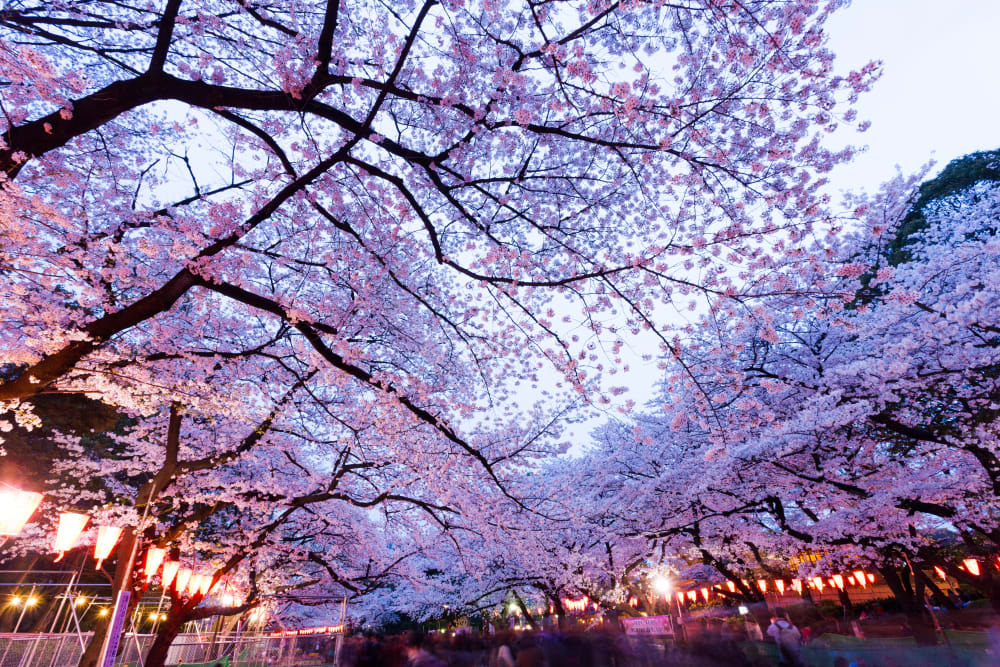
Every spring, Tokyo’s Ueno Park becomes one of Japan’s best-known places for hanami, the tradition of appreciating cherry blossoms. The Ueno Cherry Blossom Festival is more than a photo opportunity: it brings together an avenue of flowering trees, lantern-lit evening walks, seasonal food stalls and some of the city’s most accessible museums. This guide explains when the festival actually took place in 2026, how to get there, where to walk, what to expect in the crowds and how to plan a realistic visit for a future spring.
Ueno is in japan, and its central location makes it an easy addition to a Tokyo itinerary. For the broader park layout, nearby attractions and museum choices, see our Ueno Park Tokyo guide.
Key Takeaways
Ueno Cherry Blossom Festival: key information
- Where: Ueno Onshi Park (Ueno Park), Taito City, Tokyo, Japan.
- 2026 dates: 14 March–5 April 2026, as announced by Taito City and the local tourism association. This event has already ended; the next season’s dates must be checked separately.
- Typical blossom window: late March to early April for the main Somei-yoshino display, with actual timing changing each year according to weather.
- 2026 festival food-event hours: 10:00–22:00, except 21:00 on the last day, according to the event organiser. These are not guaranteed hours for a future edition.
- 2026 lantern lighting: the local association advertised evening illumination approximately 17:00–22:00. Timing and locations can change.
- Access: a short walk from JR or Tokyo Metro Ueno Station, or Keisei Ueno Station.
- Budget: strolling through the public park is generally free; purchases at stalls and admission to museums or the zoo are separate.
The distinction between the festival’s published dates and the cherry trees’ actual peak is important. A fixed event calendar cannot guarantee full bloom. For updates, consult Taito City’s official festival announcement and the 2026 Ueno Sakura Festa organiser page. The official GO TOKYO event listing also confirms that the 2026 edition is over.
What makes Ueno’s sakura season special?
The main cherry-tree avenue
The park’s broad central avenue is the classic Ueno hanami scene: mature cherry trees arch over the path, creating a canopy of pale pink and white blossoms. It is popular for daytime strolls and evening lantern views. The most famous section is busy during peak bloom, so do not assume an uninterrupted photo opportunity. If you want a quieter look at the trees, arrive early on a weekday and be ready to step aside for other visitors.
Tokyo’s official tourism guide describes the main avenue as a celebrated cherry-blossom route, while Taito City notes that the wider park has approximately 1,200 cherry trees. The figures refer to different areas and varieties, so they should not be treated as a precise count of flowering trees on one path. Our separate Ueno neighbourhood guide provides more context for exploring beyond the main avenue.
Lanterns and nighttime blossoms
When seasonal lanterns are illuminated, the atmosphere changes: branches glow above the crowds and visitors move slowly between viewing spots. The 2026 event information advertised lantern lighting from around 5 p.m. until 10 p.m. The experience depends on the year’s arrangements, and visitors should follow posted park rules and any temporary closures rather than assume all paths remain open late.
Evening viewing is popular with couples, groups and families, but it is also when narrow sections can feel most congested. Consider a shorter evening walk instead of trying to see every corner after dark. For a different riverside cherry-blossom atmosphere, compare Sumida Park or the Sumida Park Cherry Blossom Festival.
Food stalls and seasonal festivities
The 2026 Ueno Sakura Festa used several locations, including the Fountain Square area and spaces near Shinobazu Pond, for regional food, snacks and entertainment. The official programme described food from across Japan and other local activities. These are event-specific details rather than permanent daily amenities, so check the next organiser announcement before planning a meal around a particular stall or performance.
Carry some cash for small purchases, dispose of rubbish properly and avoid eating while blocking pedestrian flow. Nearby Ameyoko Shopping Street is another option for browsing snacks and shops before or after the park, though its stores have their own operating hours.
Where to see the best cherry blossoms in Ueno Park
1. The main avenue for the iconic canopy
Start at the park side of Ueno Station and walk along the main cherry-tree path. This is the simplest first stop for someone visiting Ueno for the festival itself. Go early if your priority is photography, or later if you prefer the lively festival atmosphere. Keep the main pedestrian route clear and never reserve a large space without checking the current hanami rules.
2. Shinobazu Pond for a different perspective
The Shinobazu Pond area offers waterside views, open space and a different perspective on spring colour. The festival programme in 2026 included activities around the pond, but individual areas and lighting arrangements vary. Walk around the accessible paths rather than assuming every lakeside corner is suitable for a picnic or tripod.
3. Temple and museum paths for a slower walk
Ueno’s landscape is also tied to the former grounds of Kaneiji. A quieter detour toward Kaneiji Temple adds historical context to the cherry trees. Nearby Tokyo National Museum, the National Museum of Western Art and the National Museum of Nature and Science make useful rainy-day alternatives. Each institution has its own opening days, tickets and entry rules.
How to get to Ueno Cherry Blossom Festival
By JR or Tokyo Metro
JR Ueno Station is served by major lines including the Yamanote Line; Tokyo Metro’s Ginza and Hibiya lines also stop at Ueno. Follow signs for the park-side exit and walk toward the main park entrance. From Tokyo Station, JR services provide a straightforward connection, but platform and route details should be checked on the day. Keisei Ueno Station is another convenient approach, particularly from the southern side of the park.
Walking from nearby neighbourhoods
It is possible to combine Ueno with Ameyoko, then continue toward Akihabara for electronics and pop culture, or head east to Asakusa and Sensoji Temple. These are separate districts, so allow travel time rather than treating them as adjacent park attractions. If you enjoy neighbourhood walks, the Yanesen area is another worthwhile addition.
A realistic half-day itinerary
Morning: the blossoms before peak crowds
Arrive near Ueno Station early, take a relaxed walk along the main avenue and stop at Shinobazu Pond. Allow around 60–90 minutes for the outdoor circuit if you enjoy photography. The time is an itinerary suggestion, not a published festival duration. Morning is often a better choice for travellers with children or anyone who dislikes dense crowds.
Midday: culture and lunch
Choose one museum rather than rushing through several. Families may prefer Ueno Zoo, while history and art enthusiasts can consider the national museums. Afterward, eat near Ueno or Ameyoko. Check official ticketing and closing days before you commit to a particular venue.
Evening option: return for the lanterns
If you want nighttime blossoms, return when the event’s announced lights are operating. A second short walk often works better than spending an entire day in the busiest part of the park. For more Tokyo sakura ideas, compare Chidorigafuchi Moat, Nakameguro’s riverside blossoms and Shinjuku Gyoen; note that Shinjuku Gyoen has different admission and entry arrangements from Ueno’s public park.
History: why Ueno is a famous cherry-blossom destination
The park’s sakura heritage reaches back to the Edo period. The Japan National Tourism Organization attributes early cherry planting here to Tokugawa Iemitsu, the third Tokugawa shogun; Taito City’s account also links the park’s famous cherry trees to Kaneiji’s early history and the transplanting of Yoshino cherries. These accounts describe the site’s long cultural development rather than a single modern planting programme. The park later became a public space known for both cultural institutions and seasonal celebrations. For the original destination overview, see the JNTO Ueno Cherry Blossom Festival guide.
Practical tips before you visit
- Confirm the year: the published 2026 dates were 14 March–5 April; do not reuse them as a 2027 schedule.
- Track the bloom: seasonal forecasts are estimates, and peak blossoms may arrive earlier or later than the event’s opening.
- Use public transport: roads and stations can be crowded during spring weekends.
- Respect hanami etiquette: follow signage on picnics, reserved areas, alcohol, rubbish and tripods.
- Dress for changeable weather: spring evenings can feel chilly even when afternoons are pleasant.
- Plan for accessibility: choose wider paved paths where possible, and expect crowd bottlenecks near popular photo spots.
- Allow flexibility: weather, temporary restrictions and festival programming can change without much notice.
Frequently asked questions
When was the Ueno Cherry Blossom Festival held in 2026?
Taito City and the local organiser listed 14 March to 5 April 2026. Those dates are historical, not a confirmed schedule for future years.
Is Ueno Park free to enter?
The public park can generally be visited without an admission ticket. Museums, the zoo, food and other attractions charge separately.
What is the best time of day to see the blossoms?
Weekday mornings tend to be more comfortable for unhurried viewing; evenings are popular for lanterns when an illumination programme is running. There is no guarantee of quiet conditions during peak bloom.
Can I see the cherry blossoms without attending a festival event?
Yes. The trees are in a public park, and their flowering period does not depend on food stalls or organised activities. Follow any current park access rules.
What else can I do around Ueno?
Combine the park with a museum, Ameyoko shopping, Kaneiji Temple or a wider Ueno neighbourhood walk. Avoid packing too many distant Tokyo attractions into one afternoon.
Official references and further reading
For the latest event announcements, consult the Ueno Tourism Federation’s 2026 festival notice, Taito City’s local government information and the JNTO destination overview above. Always check fresh dates before a future spring trip.
Address And Maps Location:
5-20 Uenokoen, Taito-ku, Tokyo-to
Find Location And Direction On Google Maps
Subscribe, follow travelbloggerindonesia.com