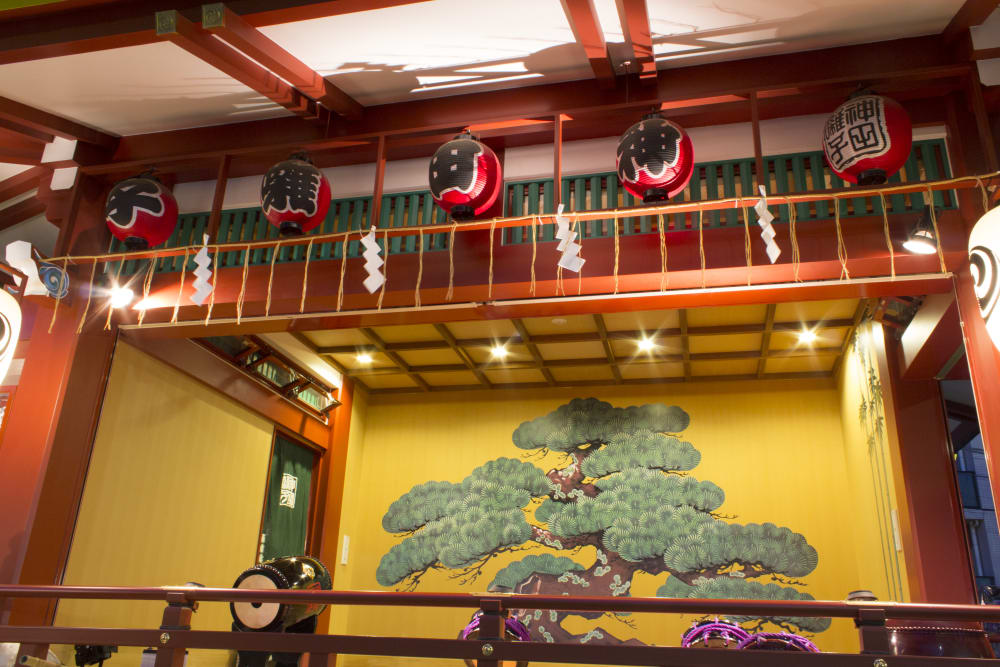
A revered shrine with unusual modern appeal
Kanda Jinja is a shrine in Tokyo with a long and complex history. It has been influential since it was built nearly 1,300 years ago. It held great prominence during the Edo period and, oddly enough, is now a much-visited destination for anime fans.
Kanda Jinja, also known as Kanda Myojin, is located in the Akihabara area of Tokyo. Akihabara, famous for its popular culture, is situated between Ueno and Tokyo stations on the JR Yamanote Line. The shrine is a seven-minute walk from Akihabara Station. It is actually closer to JR Ochanomizu Station, or Suehirocho Station on the Ginza Line. Kanda Myojin is around a five-minute walk from either station.
Originally built in 730 A.D., Kanda Myojin enshrines three deities. Two of them, Daikokuten and Ebisu, are counted among the Shichifukujin or Seven Lucky Gods of good fortune. Because of this, many businesspeople visit this shrine to pray for prosperity. Taira-no-Masakado, on the other hand, was a pioneer of the samurai class who led political reforms in the Kanto region and was highly respected by the people. After his death in 1309, he was enshrined at Kanda Jinja as a deity.
Kanda Matsuri, one of japan‘s most popular and lively festivals, is held at Kanda Jinja. The origin of the festival is unknown, but it is said that it became grand during the Edo period. Ieyasu Tokugawa, who later became the first shogun of the Edo period, prayed for victory in the Battle of Sekigahara at this shrine and won the battle in 1603. Since Kanda Matsuri was being held on the day of his victory, the shrine became an object of veneration for Ieyasu and prospered as a festival that brought good luck to the Tokugawa family. The Kanda Festival is held every other year, alternating with the Sanno Festival.
In recent years, Kanda Myojin has gained even more popularity due to its connection with pop culture and Akihabara. The shrine appears in the popular anime Love Live!, where the character Nozomi Tojo is portrayed as a shrine maiden. Many visitors, especially anime fans and hobbyists, come to the shrine to experience the atmosphere depicted in the anime. If you look carefully at the ema good luck charms hanging in the shrine, you’ll find many with manga illustrations. This blend of old and new, traditional and subculture, is what makes Kanda Myojin unique.
Kanda Myojin serves as a bridge between the traditional towns of Kanda and Nihonbashi, the subculture town of Akihabara, and Japan’s largest business district of Marunouchi. It embodies the rich history and vibrant present of Tokyo, showcasing the diverse aspects of the city.
Visiting Kanda Jinja is not only an opportunity to explore a historical and sacred site but also a chance to immerse oneself in the dynamic culture of Tokyo. Whether you are interested in the traditional rituals and customs of Japan, the thriving anime and pop culture scene, or simply seeking good fortune and prosperity, Kanda Jinja offers a unique and memorable experience.
Address And Maps Location:
2-16-2 Sotokanda, Chiyoda-ku, Tokyo-to
Find Location And Direction On Google Maps
Subscribe, follow travelbloggerindonesia.com