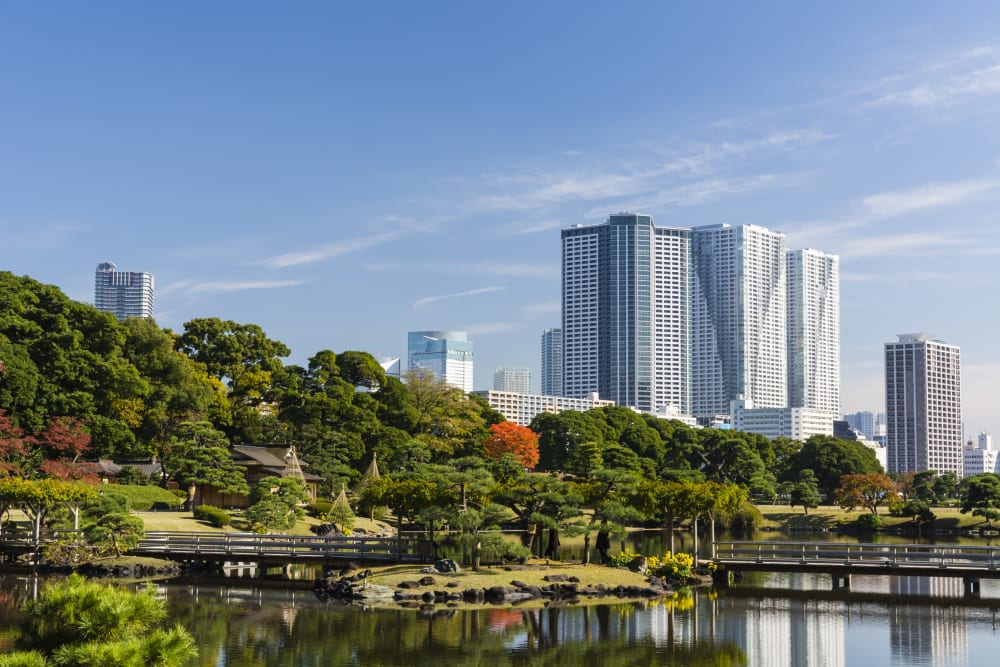
Hama-rikyu Gardens: A Hidden Oasis in the Heart of Tokyo
Introduction
In the bustling city of Tokyo, known for its towering skyscrapers and fast-paced lifestyle, there is a hidden oasis that provides a respite from the chaos. Hama-rikyu Gardens, located in the Chuo-ku district, is a tranquil haven that offers a glimpse into japan‘s rich history and natural beauty. These former imperial and shogunate gardens have a fascinating story to tell and are a must-visit for both locals and tourists alike. In this article, we will explore the various aspects of Hama-rikyu Gardens, from its historical significance to its stunning seasonal blossoms and unique features. So, let’s embark on a journey to discover the beauty and serenity of this hidden gem.
Historical Significance
Hama-rikyu Gardens have a long and storied history that dates back to the Edo period. Originally built as a villa for the Tokugawa shogunate, these gardens were later used as a residence for the imperial family during the Meiji era. The gardens were meticulously designed and landscaped to showcase the harmony between man-made structures and natural elements. During this time, the gardens were strictly reserved for the exclusive use of the imperial family and their guests.
It was not until 1946, after the end of World War II, that Hama-rikyu Gardens were opened to the public. Since then, they have become a popular destination for locals and visitors seeking a peaceful retreat from the bustling city. The gardens have been meticulously maintained and preserved, allowing visitors to experience the same tranquility and beauty that the imperial family once enjoyed.
Exploring the Gardens
As you enter Hama-rikyu Gardens, you will be greeted by the sight of an impressive 300-year-old pine tree. This ancient tree has been carefully pruned over the centuries, creating a stunning weeping form that is a testament to the skill and artistry of Japanese horticulture. Beyond the pine tree, you will find expansive flower fields that offer a riot of color throughout the year. From vibrant peonies to colza and cosmos, the gardens are a feast for the senses.
One of the highlights of Hama-rikyu Gardens is the Nakajima-no-ochaya, a floating teahouse located in the middle of the gardens’ central pond, Shioiri-no-ike. This traditional teahouse provides a quintessentially Japanese experience, where visitors can enjoy a cup of matcha green tea and indulge in traditional sweets. Sitting on the tatami mats inside the teahouse, surrounded by the serene beauty of the pond, is a truly enchanting experience.
The central pond, Shioiri-no-ike, is more than just a picturesque feature of the gardens. It is a “tidal pond,” meaning that it is filled with seawater drawn from Tokyo Bay. The water level in the pond is regulated by sluice gates that work in harmony with the rise and fall of the tide. This unique feature creates a dynamic environment where the pond’s appearance changes throughout the day. Visitors may even catch a glimpse of marine life, such as sea bass and black mullet, that are brought in from the sea.
Seasonal Beauty
While Hama-rikyu Gardens may not be as famous as other Tokyo gardens for its spring blossoms and autumn foliage, it still offers breathtaking displays of nature’s beauty. From late February to early April, visitors can witness the blooming of plum and cherry blossom trees in shades of pink and white. These delicate flowers create a picturesque scene and attract visitors from all over the world.
In the autumn, the gardens are adorned with the vibrant hues of maple and ginkgo trees. The leaves turn brilliant reds and yellows, illuminating the garden in a mesmerizing display of colors. This is the perfect time to take a leisurely stroll along the 120-meter bridge that connects the islands within the gardens, allowing visitors to fully immerse themselves in the autumnal beauty.
Getting There
Hama-rikyu Gardens are conveniently located in the Chuo-ku district of Tokyo, making them easily accessible for visitors. You can reach the gardens by taking a 12-minute walk from Shimbashi Station. Alternatively, if you prefer public transportation, the gardens are a 7-minute walk from Shiodome Station on the Oedo Subway Line or Yurikamome Line.
For a more scenic and refreshing experience, you can also take the waterbus run by Tokyo Cruise Ship Co., Ltd. The Sumida River Line waterbus runs from Asakusa to the gardens, offering a unique way to travel and enjoy the city’s waterfront. The entrance fee to the gardens is included in the waterbus fare, providing a convenient and cost-effective option for visitors.
Conclusion
In conclusion, Hama-rikyu Gardens is a hidden oasis in the heart of Tokyo that offers a peaceful retreat from the bustling city. These former imperial and shogunate gardens are not only a testament to Japan’s rich history but also a celebration of its natural beauty. From the ancient pine tree to the floating teahouse, every corner of the gardens exudes a sense of tranquility and serenity.
Whether you are a nature lover, a history enthusiast, or simply seeking a moment of respite, Hama-rikyu Gardens is a must-visit destination. Take a leisurely stroll along the flower fields, indulge in a cup of matcha green tea in the floating teahouse, or simply bask in the beauty of the seasonal blossoms and foliage. These gardens offer a unique opportunity to connect with nature and immerse yourself in the rich cultural heritage of Japan.
So, the next time you find yourself in Tokyo, don’t miss the chance to explore Hama-rikyu Gardens. Step away from the bustling streets and immerse yourself in the tranquility of this hidden oasis. Experience the beauty, serenity, and rich history that Hama-rikyu Gardens has to offer, and create memories that will last a lifetime.
Address And Maps Location:
1-1 Hamarikyuteien, Chuo-ku, Tokyo
Find Location And Direction On Google Maps
Subscribe, follow travelbloggerindonesia.com