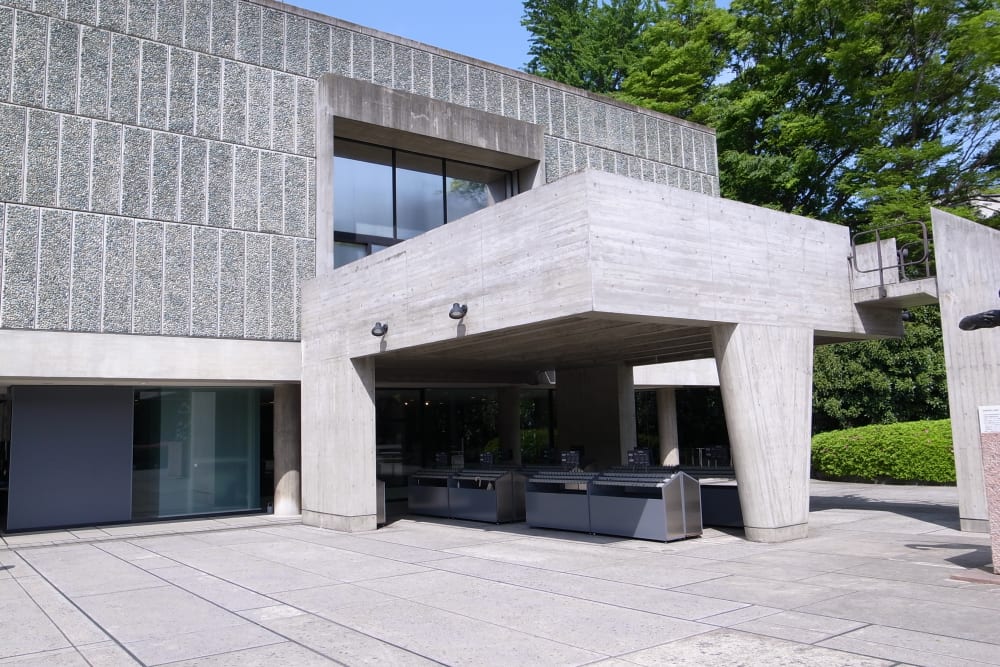
The National Museum of Western Art, located in Tokyo, japan, is a world-class institution that showcases both classic Western art and Japonisme, which is the interpretation of Japanese art by Western artists. The main building of the museum was designed by the renowned French architect Le Corbusier, making it an architectural masterpiece in itself. With its collection of numerous pieces by the famous sculptor Auguste Rodin and the Matsukata Collection, the museum offers a rich and diverse experience for art enthusiasts.
One of the highlights of the museum is its collection of numerous pieces by Rodin, one of the most influential sculptors of the 19th and 20th centuries. Rodin’s sculptures, including his most famous works such as “The Thinker” and “Gates of Hell,” are showcased both inside the museum and outside in the museum’s garden. These sculptures beautifully capture the human form and emotions, making them a must-see for visitors.
The Matsukata Collection is another prominent feature of the museum. The collection was amassed by Kojiro Matsukata, a businessman and the son of Masayoshi Matsukata, a famous politician and former Prime Minister of Japan. Kojiro collected over 10,000 works of art, mainly from Europe, which were later seized by France after World War II. However, in 1959, they were returned to Japan by the French government, leading to the establishment of the museum.
The museum’s main building, designed by Le Corbusier, is a testament to his architectural genius. It is characterized by its floor-to-ceiling windows and varying ceiling heights in the same room, which are typical of Le Corbusier’s style. His key concept of the Modulor, which aims to create a balance between human proportions and architectural design, is also evident in the building’s design. This unique blend of Western architecture and Japanese influences makes the museum a truly remarkable cultural landmark.
In 2016, the museum was recognized as Tokyo’s first World Cultural Heritage site and the country’s 20th UNESCO site, mainly due to its architectural design by Le Corbusier. This prestigious recognition highlights the museum’s significance not only as an art institution but also as an architectural masterpiece.
To visit The National Museum of Western Art, one can easily reach it from Ueno Station. If arriving by the JR Yamanote Line, the museum is just a one-minute walk from Ueno Station, Park Exit. For those taking the Keisei Line, it’s a seven-minute walk from Keisei Ueno Station. If using the Tokyo Metro Ginza or Hibiya subway lines, the museum is an eight-minute walk from Ueno Station. The convenient location of the museum makes it easily accessible for both locals and tourists.
After exploring the museum, visitors can further explore the surrounding Ueno Park, which is home to various other museums, such as the Tokyo National Museum and the National Museum of Nature and Science. The park also houses the Ueno Zoological Gardens, Kan’ei-ji Temple, and several shrines and temples, including Nezu-jinja Shrine and Ueno Toshogu Shrine. Additionally, visitors can indulge in some tasty food and bargain shopping at Ameyoko, a bustling market street nearby.
In conclusion, The National Museum of Western Art in Tokyo offers a unique and enriching experience for art enthusiasts and cultural enthusiasts alike. With its world-class collection of Western art, including the works of Auguste Rodin and the Matsukata Collection, and its stunning architectural design by Le Corbusier, the museum stands as a testament to the beauty and power of art. Whether you are a fan of classic Western art or interested in exploring the intersection between Western and Japanese art, this museum is a must-visit destination.
Address And Maps Location:
7-7 Uenokoen, Taito-ku, Tokyo-to
Find Location And Direction On Google Maps
Subscribe, follow travelbloggerindonesia.com