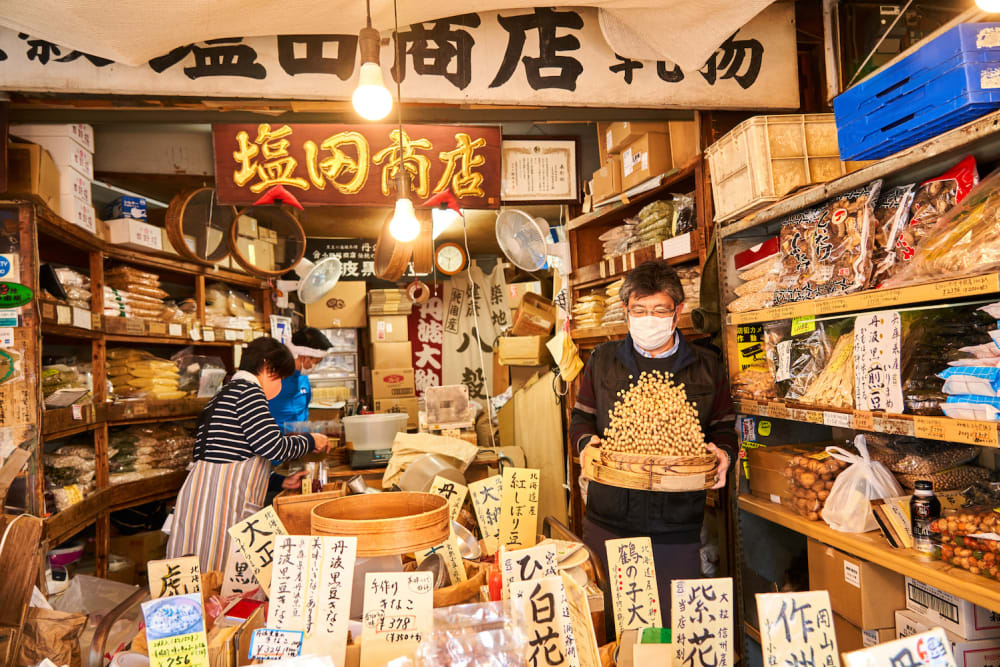
Tsukiji Outer Market remains one of Tokyo’s most distinctive food districts. Its lanes contain seafood shops, sushi counters, tamagoyaki makers, knife specialists and sellers of dried ingredients. Visitors often hear that “Tsukiji fish market closed,” but that description is misleading: the wholesale tuna auctions moved to Toyosu in October 2018, while the Outer Market’s shops and restaurants continued trading in Tsukiji.
This 2026 visitor guide focuses on the market that is still here: when to go, how to behave in a working food district, what to try, which subway stations are convenient and how to combine Tsukiji with other Tokyo attractions. Opening days and individual shop schedules change, so the official market calendar and store listings should always take priority over generic travel advice.
Key Takeaways
Tsukiji Outer Market vs Toyosu Market: what actually moved?
Historically, Tsukiji had a wholesale inner market and a surrounding district of independent food businesses. The inner wholesale operation, including its tuna auction, relocated to Toyosu in 2018. The public-facing Outer Market did not move. Today, visitors to Tsukiji can still find sushi, seafood bowls, produce, tea, dried seaweed, knives and many other specialist goods. The Japan National Tourism Organization’s Tsukiji overview confirms this distinction.
If watching a wholesale tuna auction is your main goal, plan for Toyosu Market instead. Tokyo’s metropolitan government publishes visitor information for the wholesale complex, including viewing areas and the market calendar. Tsukiji is better for browsing small shops, eating and learning about Japanese food culture at street level. The site’s separate Tsukiji neighbourhood guide provides more background on the district.
When to visit Tsukiji Outer Market in 2026
The official Tsukiji Outer Market calendar distinguishes professional buying hours, public buying hours and flexible later opening. Professional buyers take priority from 6:00 to 9:00 a.m.; the published public-shopping window is 9:00 a.m. to 2:00 p.m. These are market-wide guidelines, not a guarantee that every restaurant or stall opens at exactly the same time.
For most first-time visitors, arriving after 9:00 a.m. and before the early-afternoon wind-down is practical. Morning is especially useful if you want to browse many food shops. Individual merchants decide their own opening days, and many close on Sundays, national holidays or certain Wednesdays associated with wholesale market closures. Some eateries remain open on those days, so a closed wholesale calendar does not mean every door in the district is shut.
Before choosing a date, check the current calendar, any special-event notices and the opening information of particular shops you care about. Holiday periods and year-end shopping can be unusually busy. Avoid relying on a single universal closing time or assuming a favourite stall will be operating when you arrive.
What to eat at Tsukiji Outer Market
Sushi and sashimi: choose by menu, not hype
Tsukiji’s sushi counters range from compact stand-up spots to sit-down restaurants. The attraction is not a guaranteed “best sushi in Tokyo” ranking, but the concentration of food specialists in a walkable area. Look at menus, portion sizes, queue length and posted prices before committing. Freshness depends on sourcing and handling; the seafood supply network now includes Toyosu and other markets rather than a wholesale auction held at Tsukiji itself.
If you have dietary restrictions, ask staff directly about raw fish, shellfish, soy sauce, wasabi and cross-contact. English menus may be available but are not universal. Do not assume a set meal contains only the fish pictured in promotional photos. Some restaurants have reservation systems while others operate on a queue; check the individual business rather than relying on a tour listing.
Tamagoyaki and Japanese breakfast foods
Tamagoyaki, a rolled Japanese omelette, is a classic Tsukiji snack. Versions can be sweet, savoury or seasoned with dashi. It is a useful contrast to seafood dishes and illustrates how everyday ingredients become specialist market products. Rice bowls, grilled fish, miso soup and pickles are also common breakfast or lunch options, depending on the establishment.
For an easy tasting plan, choose two or three foods you actually want rather than attempting to eat at every stall. Leave room for a proper seated meal and avoid carrying uncovered food through crowded lanes. The market’s official guidance asks customers to eat inside a shop or in its designated eating area, not while walking.
Grilled seafood, dried goods and pantry ingredients
Scallops, skewered seafood, dried bonito flakes, nori, tea and Japanese seasonings illustrate the variety of products sold in Tsukiji. Availability and prices vary with season, supplier and shop. Ask before touching produce or photographing displays. If buying food to carry overseas, check your destination country’s import restrictions and keep receipts and original packaging when appropriate.
Specialist knife shops and cookware sellers are also part of Tsukiji’s appeal. Ask about blade care, sharpening and safe transport rather than buying purely on appearance. Sharp tools may face airline and security restrictions; pack them according to current carrier and customs rules. Travellers interested in more kitchenware shopping can compare the experience with Kappabashi Kitchen Town near Asakusa.
Tsukiji market etiquette: important rules for visitors
Tsukiji is a functioning commercial neighbourhood, not an open-air theme park. The official Plat Tsukiji visitor guidance asks tourists to give professional buyers priority before 9:00 a.m., avoid eating while walking, travel without bulky luggage, move in small groups, ask before photographing stores and refrain from touching food. Bargaining is not customary at many market shops.
The narrow lanes can be crowded. Do not stop suddenly in front of moving carts, block shop entrances or occupy a restaurant’s waiting space if you are not a customer. Families should keep children close; visitors using wheelchairs or strollers may find some passages and older storefronts challenging. If the area feels too congested, take a break rather than pushing through a busy working aisle.
Photography deserves special care: a shopkeeper may allow pictures of a product but not staff, customers or preparation areas. Look for signs and ask politely. Keep food waste in the bins provided by the business where you purchased it, since public bins are not always available. These small habits help preserve the market for both merchants and residents.
How to get to Tsukiji Outer Market
Tsukiji Outer Market is in Chuo City, south of central Tokyo and near Ginza. The Hibiya subway line serves Tsukiji Station, while the Toei Oedo line serves Tsukijishijo Station. Both are convenient for walking into the market area. The route from Tokyo Station generally involves a subway transfer or a longer walk, so compare options with your starting point and luggage.
The market is not inside a JR station. A Japan Rail Pass does not automatically cover Tokyo Metro or Toei subway journeys, so check your ticket or transit card before entering the gates. From other parts of the city, choose the station that minimizes transfers rather than assuming one entrance is always the fastest. On busy days, follow pedestrian signs and avoid blocking residential streets with group meetings.
For information, maps and help with nearby transport, visit Plat Tsukiji. The official facility lists an information counter, lockers and a map service, with published counter hours that differ by day type. A useful nearby cultural stop is Tsukiji Hongwanji Temple; check its own visiting guidance before entering spaces used for worship.
What to see and do beyond food
Explore the market’s history and Namiyoke Inari Shrine
The name Tsukiji refers to reclaimed land. The area’s market history reaches back to the relocation of wholesale trade following the Great Kanto Earthquake; the modern market opened in the 1930s. The official Tsukiji Outer Market website explains how the district developed into a specialist food town. Namiyoke Inari Shrine remains a local cultural landmark and a reminder that Tsukiji has a community history beyond the food stalls.
Approach shrines and temples respectfully, especially when ceremonies are underway. Food shopping and cultural sightseeing can complement each other, but do not treat religious spaces as extensions of the market’s dining area. Nearby Hama-rikyu Gardens offers a quieter landscape if you want a break from the narrow streets and crowds.
Visit Plat Tsukiji before choosing a route
Plat Tsukiji is useful for orientation: staff and maps can help visitors find shopping lanes and understand which businesses specialize in particular products. It also lists practical facilities such as lockers and an ATM. Check the official information counter hours rather than assuming it is staffed late into the afternoon. If you have a food allergy or accessibility requirement, use the centre to help identify appropriate options, then confirm details directly with the shop.
Compare Tsukiji with Toyosu and nearby attractions
A two-market itinerary is possible, but it is not necessary for every traveller. Toyosu is the place to learn about today’s wholesale operations; Tsukiji is a public shopping and dining district. The Tokyo Metropolitan Government’s Toyosu visitor information explains viewing areas and market-day restrictions. Do not confuse wholesale opening times with the opening times of neighbouring attractions.
If you are planning a longer Tokyo day, consider teamLab Planets in the Toyosu area, subject to its own timed-entry arrangements. Back toward central Tokyo, the theatres around Kabukiza and the neighbourhood of Shiodome offer different kinds of city sightseeing. Check each venue’s opening or performance schedule independently.
A simple Tsukiji Outer Market morning itinerary
9:00–10:00: start with a map and browse
Arrive after the professional-buyer priority period, get oriented and walk through a few streets before purchasing food. Note the locations of places you want to revisit. Start with small purchases rather than filling your hands immediately. If you are travelling in a group, agree on a meeting point outside the narrowest lanes.
10:00–11:30: choose a meal and a specialist shop
Choose a sushi counter, seafood bowl restaurant or another meal that matches your budget and preferences. Allow for queues. After eating, visit a tamagoyaki maker, tea shop or cookware specialist and ask questions about ingredients or tools. Not every shop accepts the same payment methods, so keep an alternative payment option available.
Late morning: continue into a nearby Tokyo neighbourhood
After Tsukiji, choose one nearby area rather than rushing through several districts. Walk towards Hama-rikyu Gardens for greenery, or explore the city’s waterways with information from Tokyo water buses. A longer trip could include Asakusa and Sensoji Temple, but account for travel and crowd conditions.
More Tokyo ideas after visiting Tsukiji
Food-focused travellers may enjoy the contrast between Tsukiji’s working food lanes and the cookware shops of Kappabashi. For museums and green space, Ueno Park is a useful alternative. Architecture and skyline enthusiasts can consider Tokyo Skytree, while technology and shopping interests may lead to Akihabara. These are separate neighbourhood excursions, not all stops on a short Tsukiji walk.
For waterfront views, Odaiba Seaside Park can be part of another day’s plan. If you prefer traditional central-Tokyo landmarks, look into the Imperial Palace area. Use the wider city itinerary to balance food, walking time, transport and admission costs, rather than treating every attraction as compulsory.
Frequently asked questions
Is Tsukiji Outer Market still open in 2026?
Yes. The Outer Market continues operating as a food-shopping and dining district. The wholesale tuna auctions moved to Toyosu in 2018; the two sites serve different visitor interests.
What time should tourists visit Tsukiji?
The official public-buyer window is 9:00 a.m. to 2:00 p.m., although individual shop hours vary. Arriving in the morning gives you a better chance to see a range of stalls. Check the official calendar for your specific date.
Is Tsukiji Outer Market free to enter?
Walking through the public market streets does not require a general admission ticket. Food, tours, workshops and purchases cost extra. Some activities need advance reservations and have their own rules.
Can I watch the tuna auction at Tsukiji?
No. The wholesale tuna auction moved to Toyosu. Check the Tokyo Metropolitan Government’s visitor information for the current observation arrangements and any lottery or booking requirements.
Can I eat while walking through the market?
The market’s official etiquette asks visitors to eat at the store or in a designated area instead of walking with food through the lanes. Follow each shop’s posted instructions.
Official sources and visitor references
For the most reliable planning information, consult the Tsukiji Outer Market association, its market calendar, the Plat Tsukiji information centre, JNTO’s Tsukiji visitor guide and Tokyo’s official Toyosu Market visitor page. These sources should be checked again for changed business hours, closures and access arrangements.
Address And Maps Location:
5-2-1 Tsukiji, Chuo-ku, Tokyo-to
Find Location And Direction On Google Maps
Subscribe, follow travelbloggerindonesia.com