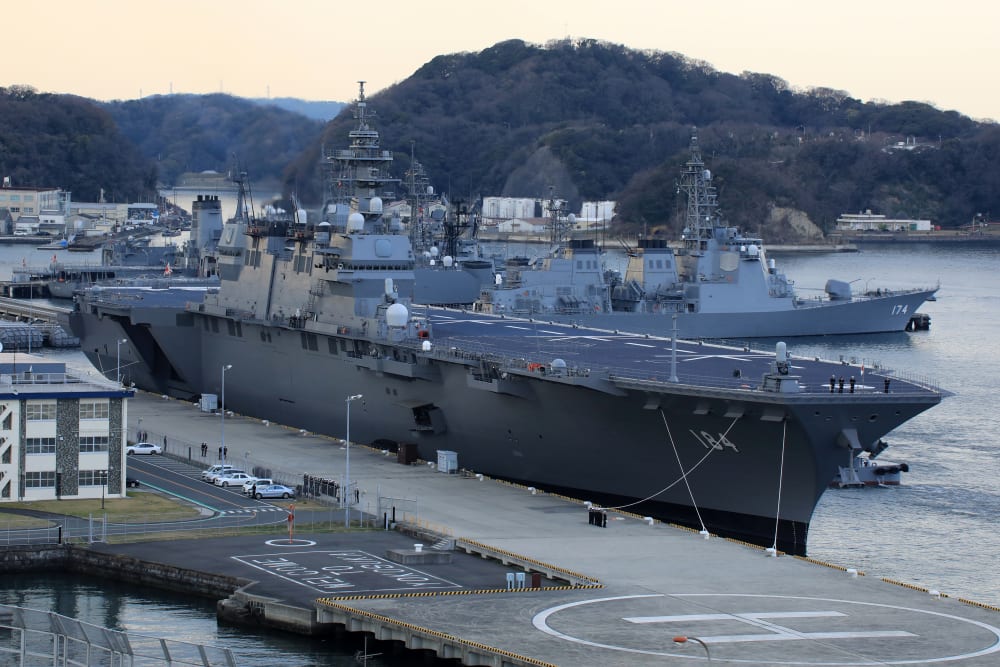
Yokosuka is a working waterfront city on Japan’s Miura Peninsula, south of Yokohama and within reach of Tokyo. Its identity comes from the sea: Japanese and US naval facilities, a preserved historic battleship, ferry connections and parks overlooking Tokyo Bay. Yet there is much more to a day trip than looking at ships. Visitors can browse Dobuita Street, eat a local navy-inspired curry, walk among roses at Verny Park and travel by boat to a former island fortress.
This independent Yokosuka travel guide explains what to see, how to reach the main sights by public transport and how to plan a realistic day without assuming that military vessels, cruise departures or museum exhibitions will be available on a particular date. It also points to nearby destinations for travellers spending longer in Kanagawa.
Key Takeaways
Why visit Yokosuka? A maritime city with several different stories
The city occupies a strategic position near the entrance to Tokyo Bay. Its port history connects Japan’s modern navy, international trade and foreign naval presence, but it is also an ordinary residential city with shopping streets, public gardens, museums and coastal neighbourhoods. The most useful approach is to choose a theme rather than try to see everything in a single afternoon.
For a first visit, the central waterfront combines the memorial ship Mikasa, Verny Park and the area around Yokosuka-chuo Station. Add Sarushima if ferry schedules and weather allow. Families or travellers interested in coastal scenery can instead devote more time to Kannonzaki and the Yokosuka Museum of Art. This is a city where a slower route usually makes more sense than a packed checklist.
Things to do in Yokosuka
1. Explore Memorial Ship Mikasa and Mikasa Park
Memorial Ship Mikasa is a preserved warship associated with Admiral Togo and the Russo-Japanese War. Today it operates as a museum where visitors can examine exhibits about the vessel, maritime technology and the historical context of the conflict. The ship is not an active military vessel. It stands in the Mikasa Park area, making it a logical starting point for a maritime-focused visit.
The Yokosuka City facility page provides the address, seasonal opening-hour pattern and admission information; check it again before travel because special closures or revised fees can occur. Allow time to read the displays rather than treating the vessel as a quick photo stop. Visitors interested in the wider region can combine the ship with Sarushima Island, reached from the nearby waterfront.
2. Take a Yokosuka naval-port sightseeing cruise
A harbour cruise offers a different view of Yokosuka’s port infrastructure and, when vessels are present and conditions permit, the silhouettes of naval ships. The itinerary and the ships visible are never guaranteed: operational activity, weather and access rules can affect what passengers see. The Japan National Tourism Organization’s Yokosuka guide describes the sightseeing cruise as a roughly 45-minute experience, but confirm today’s operating schedule and ticket arrangements with the operator.
This is a sightseeing trip, not permission to enter military facilities. Keep photography respectful, follow crew instructions and avoid treating restricted waterfront areas as public access points. For a different maritime outing in the broader bay area, the Tokyo Bay Ferry connects the peninsula with the opposite shore; it is a transport route rather than the same port sightseeing cruise.
3. Walk along Verny Park
Verny Park is an accessible place to slow down near the JR Yokosuka Station side of the waterfront. Paths, planting beds and views towards the harbour make it attractive even when there is no special event. It is named for the French engineer François Léonce Verny, whose work is associated with the development of Japan’s modern shipbuilding industry. Roses are a seasonal highlight, but blooms depend on weather and maintenance rather than a fixed annual date.
Because the park is close to rail access, it can be a gentle first or last stop. Travellers who enjoy waterfront promenades elsewhere in Kanagawa might also consider Yamashita Park in Yokohama or the former harbour warehouses at Yokohama Red Brick Warehouse.
4. Browse Dobuita Street and try Yokosuka’s local food
Dobuita Street reflects the city’s long interaction with American naval culture. Expect small shops, restaurants and bars alongside Japanese businesses. One well-known souvenir is the embroidered sukajan jacket. Rather than assuming every store is open all day, explore during normal retail hours and check individual restaurants before making a special trip.
Two food traditions frequently associated with Yokosuka are Navy Curry and the Navy Burger. Curry links to naval food history, while the burger reflects the city’s international influences. Recipes and portion sizes differ by restaurant, so treat the dishes as local food styles rather than a single official recipe. Prices change and are best checked at the shop. If you enjoy urban food streets, the dining areas of Yokohama Chinatown provide a different flavour of the region.
5. Visit Sarushima, an island with former fortifications
Sarushima is a small island in Tokyo Bay reached by boat from the Mikasa Pier area. Former defensive structures, paths through greenery and shoreline views give it a distinct atmosphere from central Yokosuka. According to the JNTO Sarushima guide, the crossing takes approximately ten minutes. Ferry services and island access require tickets, and conditions can change with weather.
Plan for the return boat as carefully as the outbound crossing. Wear shoes suitable for steps and uneven paths, carry water in warm weather and respect areas closed for conservation or safety. The Kanagawa Prefecture tourism page is a useful starting point for confirming the pier and transport context, though its listed fares should not be assumed current without operator verification.
6. See art and coastal scenery around Kannonzaki
The Yokosuka Museum of Art occupies a scenic part of the coast and can appeal to visitors who prefer galleries and sea views to ship museums. Exhibitions rotate, so check the museum’s own programme rather than assuming a permanent display will be available. Nearby Kannonzaki is known for coastal walks and views across a busy maritime route; weather and trail conditions matter, especially after heavy rain.
The museum and Kannonzaki are not as convenient to reach on foot from the central station as Mikasa Park. Reserve separate travel time for buses or other local transport. For a contrasting cultural stop on a Kanagawa trip, the Yokohama Museum of Art may fit a different day.
7. Look into the story of William Adams and Perry’s arrival
Yokosuka also has links to early encounters between Japan and overseas visitors. William Adams, an English navigator who reached Japan in 1600, became associated with the Tokugawa court and the Miura area. A memorial connected with his life is an option for travellers who want a quieter history walk. This history should not be confused with the fictional events of novels or television adaptations.
Farther south, the Kurihama area recalls Commodore Perry’s nineteenth-century arrival. The Yokosuka City Perry Memorial Museum page provides visitor information for the museum and park. Because Kurihama is away from the central harbour circuit, it works better as a separate half-day focus than a rushed detour.
How to get to Yokosuka from Tokyo and Yokohama
Keikyu trains from Shinagawa serve Yokosuka-chuo, a convenient station for Dobuita Street and much of the central shopping area. JR Yokosuka Line services reach JR Yokosuka Station, which is closer to Verny Park but not the same station as Yokosuka-chuo. The best arrival station depends on where you plan to begin. Check the current train route and service pattern before boarding rather than assuming every train uses the same stops.
From central Tokyo, allow roughly an hour or more depending on departure point, service and transfers; Yokohama is generally closer. Travellers starting near Tokyo Station can compare JR connections, while those sightseeing around Shibuya may find it useful to plan a connection through a major rail hub. Rail passes and tickets have different validity rules, so confirm whether the service you select is covered.
Once in Yokosuka, the central attractions are walkable in clusters, but Kannonzaki, Kurihama and some coastal stops require buses or longer journeys. Keep an offline map, verify the last return service and allow extra time when travelling with luggage or children.
A practical one-day Yokosuka itinerary
Morning: arrive and explore the central waterfront
Start at the station that best matches your first stop. A relaxed route could begin at Verny Park, continue towards the harbour area and then focus on Memorial Ship Mikasa. Check opening times before leaving Tokyo; a museum closure can change the order of your day. If you are particularly interested in the port cruise, reserve a departure that leaves enough time for the museum rather than booking overlapping activities.
Midday: choose one main activity
Choose between the sightseeing harbour cruise and a ferry visit to Sarushima rather than assuming both fit effortlessly into the same slot. A boat trip involves boarding time, possible queues and weather exposure. If services are cancelled, replace the boat with a museum visit or a walk through Dobuita Street. Build flexibility into the plan, particularly during weekends and holidays.
Afternoon: food, shopping and a final stop
Have lunch at a restaurant serving Navy Curry or a local burger, browse sukajan shops and leave time to return to your preferred rail station. Travellers who want a more substantial coastal excursion can dedicate the afternoon to the art museum and Kannonzaki instead. Avoid planning a sunset ferry or last-minute museum visit without confirming the actual operating schedule.
Nearby places to combine with a Yokosuka trip
Yokosuka is a good starting point for a wider Kanagawa itinerary, but not every destination is a short walk away. Historic Kamakura’s Great Buddha and Komachi-dori shopping street make a natural culture-and-food day. In warm weather, consider Kamakura’s beaches or Yuigahama Beach, checking swimming rules and sea conditions before entering the water.
The island and coastline around Enoshima offer a different seaside atmosphere; the Enoshima Shrine is a popular cultural stop. For a city-focused day, pair Minato Mirai with the waterfront and food districts of Yokohama. Families considering a full-day attraction can research Yokohama Hakkeijima Sea Paradise, but its schedule and admission should be checked independently.
Visitor tips: weather, costs and respectful sightseeing
Public streets and parks can be enjoyed without buying a ticket, but museum entry, boat trips, food and transport are separate costs. Avoid copying old prices into a travel budget: look up current operator rates, including child fares, before departure. Wind and rain may affect waterfront comfort and ferry operations. In summer, carry water and sun protection; in winter, bring an extra layer for exposed piers.
Yokosuka is home to active military installations. Public sightseeing does not imply unrestricted access to ships, bases or fenced waterfront areas. Follow posted signs and staff instructions. For photography, avoid blocking paths or photographing sensitive facilities against local rules. When visiting religious or memorial sites, use a respectful tone and remember that their historical significance extends beyond tourist appeal.
Frequently asked questions about Yokosuka
Is Yokosuka worth visiting as a day trip from Tokyo?
Yes, if naval history, waterfront scenery and distinctive local food appeal to you. The central cluster can fill a day without an overnight stay. It is less suitable if you want to cover every coastal attraction in one short visit.
Can tourists enter the US naval base in Yokosuka?
Do not assume access. Military facilities have their own security rules and are not ordinary public attractions. Choose the public harbour cruise, parks and museums instead of attempting entry without explicit authorisation.
Is Sarushima the same as the Yokosuka harbour cruise?
No. The Sarushima ferry transports passengers to an island; the sightseeing harbour cruise is a different experience focused on the port. Operators, boarding points, tickets and schedules must be checked separately.
Which station is best for visiting Yokosuka?
Keikyu Yokosuka-chuo is useful for central shops and access towards Mikasa, while JR Yokosuka Station is convenient for Verny Park. Select a station based on your planned first attraction, not simply the city name.
Sources and further information
This guide was checked against the JNTO Yokosuka destination overview, JNTO Sarushima access information, Yokosuka City Memorial Ship Mikasa listing and Yokosuka City Perry Memorial Museum listing. Official operator notices take priority over general travel summaries for live departures, closures and prices.
Address And Maps Location:
Yokosuka-shi, Kanagawa-ken
Find Location And Direction On Google Maps
Subscribe, follow travelbloggerindonesia.com