A Temple with an Indian Look and a Rock Star’s Spirit
Tsukiji Hongwanji Temple is a stunning Buddhist temple located in Tokyo that stands out from other temples in the city. Its unique architecture and spiritual elements make it a must-visit attraction for anyone interested in Buddhism and Japanese culture.
The temple, which belongs to the Jodo Shinshu sect, is the most practiced branch of Buddhism in japan. Jodo Shinshu emphasizes the importance of faith and the belief in the salvation of all beings through the compassion of Amida Buddha. It is a form of Buddhism that has a strong focus on the teachings of the Pure Land Sutras.
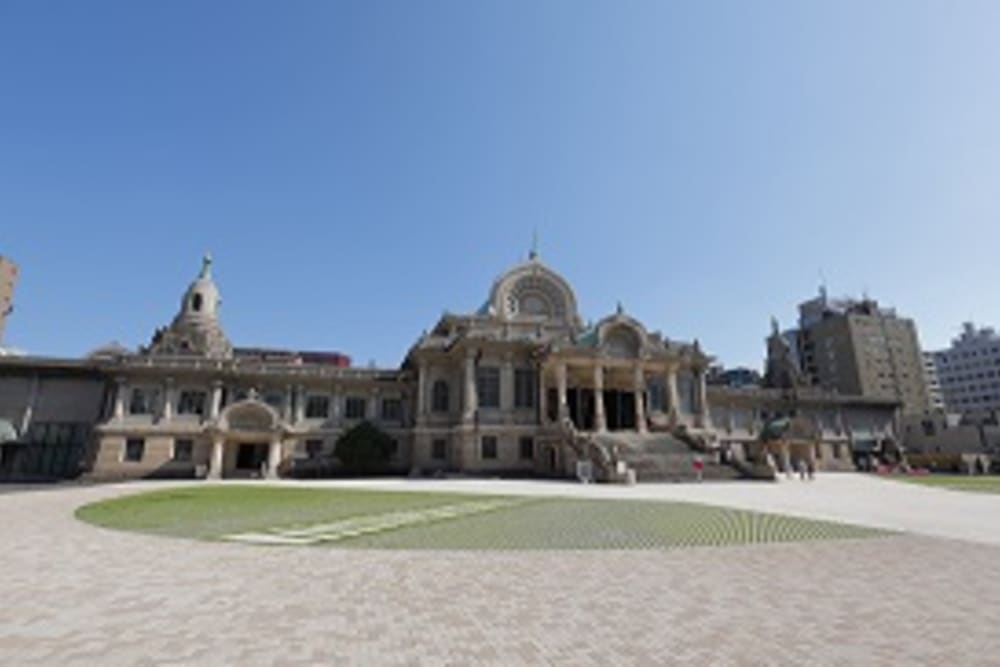
One of the first things that catches your attention when you visit Tsukiji Hongwanji Temple is its distinctive architecture. The temple’s design is inspired by ancient Indian Buddhist styles, giving it an Indian look that is rare to find in Japan. The architect who designed the temple wanted to create a unique space that would blend different cultural influences and create a sense of spiritual harmony.
The exterior of the temple is particularly striking. It takes architectural cues from various South Asian temples, especially Indian ones. The intricate details and vibrant colors of the temple’s facade make it a visually captivating sight. However, what sets Tsukiji Hongwanji Temple apart is the stained-glass window above the entrance of the main hall. This unexpected feature is reminiscent of Western churches and adds a touch of Western influence to the overall design.
The temple has a storied past, like many other historical landmarks in Tokyo. It has faced numerous challenges and even suffered significant damage throughout its history. The original temple was built in 1617 but tragically burned down just 40 years later. It was then reconstructed only to be destroyed again during the great earthquake that struck Tokyo in 1923. Despite these setbacks, the temple was always rebuilt and restored, standing as a symbol of resilience and spiritual strength.
As you enter Tsukiji Hongwanji Temple, you will be greeted by a surreal blend of cultures. The interior of the temple combines traditional Japanese ornamentation with unexpected elements from other cultures. While the outside of the temple reflects South Asian and Indian design, the inside showcases more conventional Japanese aesthetics. The contrast between the two creates a unique and harmonious atmosphere.
One of the most surprising features inside the temple is the large pipe organ from Germany. This organ was installed to popularize Buddhist music and has around 2,000 pipes. It is a testament to the temple’s commitment to embracing different influences and creating a space that celebrates the diversity of spiritual practices.
In addition to its architectural beauty, Tsukiji Hongwanji Temple is also known for its memorial to one of Japan’s biggest rock stars, Hideto Matsumoto, also known as “Hide.” Hide was a guitarist for the famous rock band “X Japan” and had a significant impact on the Japanese rock music scene. His memorial at the temple is a testament to his legacy and the profound influence he had on the music industry.
Visiting Tsukiji Hongwanji Temple is like embarking on a spiritual pilgrimage. The temple’s unique blend of cultural influences and its dedication to promoting different forms of Buddhism make it a truly special place. Whether you are interested in exploring the teachings of Jodo Shinshu or simply want to admire the temple’s architectural beauty, a visit to Tsukiji Hongwanji Temple is an enriching and enlightening experience.
To get to the temple, you can easily access it by train or taxi. Tsukiji Hongwanji is only a two-minute walk from Tsukiji Station on the Tokyo Metro Hibiya Line. The convenient location makes it accessible to both locals and tourists, ensuring that everyone can experience the temple’s spiritual atmosphere.
In conclusion, Tsukiji Hongwanji Temple is a remarkable Buddhist temple that stands out for its unique architecture and spiritual ambiance. Its Indian-inspired design and blend of cultural influences make it a must-visit attraction in Tokyo. Whether you are a Buddhist practitioner or simply interested in exploring different religions and their impact on Japanese culture, a visit to Tsukiji Hongwanji Temple is a journey of enlightenment and cultural discovery.
Address And Maps Location:
3-15-1 Tsukiji, Chuo-ku, Tokyo-to
Find Location And Direction On Google Maps
Subscribe, follow travelbloggerindonesia.com