Ang Khang Royal Project Station: Promoting Sustainable Agriculture and Cultural Preservation
Introduction:
Ang Khang Royal Project Station, also known as Doi Ang Khang, is a renowned agricultural research and demonstration center located in the Ang Khang Hill region of thailand. Established by His Majesty King Bhumibol Adulyadej, the station aims to improve the living standards of underprivileged hilltribes through sustainable farming practices and cultural preservation. This article will highlight the various attractions and activities offered by the station, as well as provide information on how to get there and opening hours.
Heading 2: Bonsai Garden
The Bonsai Garden, located in front of the Ang Khang Royal Project Station, is a must-visit attraction for nature enthusiasts. This meticulously curated garden houses a wide variety of temperate and winter bonsai trees, showcasing the beauty and diversity of herb trees from all over the world. The best time to visit the Bonsai Garden is from November to January when the weather is at its coldest, creating a perfect environment for these delicate trees to thrive. Visitors can marvel at the intricate designs and shapes of the bonsai trees, learning about the art of bonsai cultivation and appreciating the tranquility of the garden.
Heading 2: Kiew Lom View Point
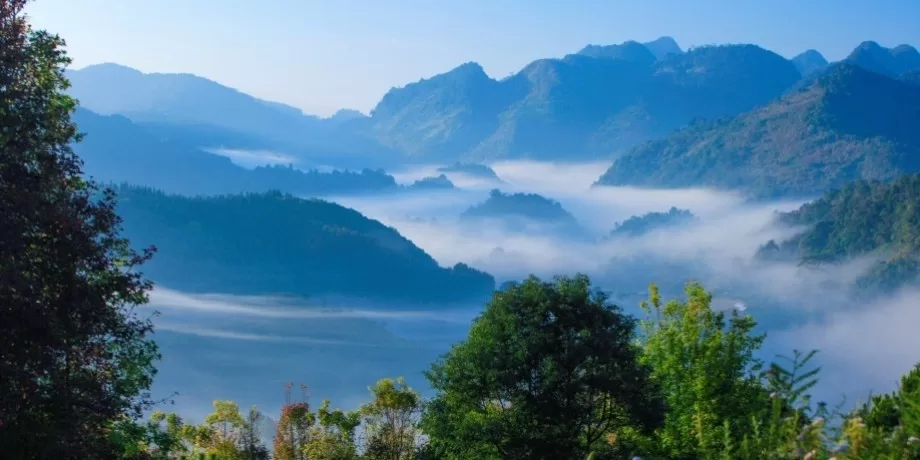
For breathtaking panoramic views of the Ang Khang Hill, a visit to the Kiew Lom View Point is highly recommended. This vantage point offers visitors a chance to immerse themselves in the stunning natural beauty of the area, particularly during the early morning hours when the sunrise casts a golden hue over the landscape. The sea of fog that blankets the hill in the morning creates a mystical atmosphere, making it a perfect spot for photography enthusiasts. Additionally, the Kiew Lom View Point also provides an ideal setting for witnessing the mesmerizing sunset, as the sun dips below the horizon, painting the sky in vibrant hues.
Heading 2: Mu Ban Khum
Mu Ban Khum is a small community located in the vicinity of the Ang Khang Royal Project. This village is home to the Burmese, Hwa, and Thai Yai ethnic groups, who have migrated to the area in search of a better life. Visitors can explore this unique cultural melting pot, interacting with the locals and experiencing their traditional way of life. Mu Ban Khum is also an excellent place for souvenir shopping, as it offers a range of handicrafts and local products. Moreover, visitors can savor exotic meals prepared by the villagers, showcasing the diverse culinary traditions of the region.
Heading 2: Mu Ban No Lae
Another fascinating village near the Ang Khang Royal Project Station is Mu Ban No Lae. This village provides visitors with a glimpse into the Thai-Burma border area and the lives of the people who have migrated from Burma. The residents of Mu Ban No Lae follow Buddhist precepts seriously and speak their native language. Visitors can enjoy the pleasant view of the border and interact with the locals, gaining insights into their unique culture and way of life.
Heading 2: Mu Ban Khop Dong
Mu Ban Khop Dong is a village that has managed to preserve the traditional way of life of the Musoe tribe. The villagers here rely on agriculture and handicrafts for their livelihood, with support from the Ang Khang Royal Project. Visitors can witness the superstitions and simplicity that coexist in this village, immersing themselves in the rich cultural heritage of the Musoe tribe. Exploring the village allows visitors to appreciate the importance of preserving indigenous cultures and promoting sustainable livelihoods.
Heading 2: Accommodations and Activities
For those wishing to extend their stay and explore the Ang Khang Hill region further, the Ang Khang Natural Resort offers comfortable accommodations and a wide range of adventurous activities. The resort provides an ideal base for nature enthusiasts, offering guided natural study treks along dazzling waterfalls, where bold-flowered Rhododendron plants greet visitors. Additionally, the resort offers mountain bike rentals, allowing visitors to explore the great outdoors and enjoy the scenic beauty of the area. Birdwatchers will be delighted to discover that Mae Phoe Forest Station and the resort itself are home to over 1,000 rare bird species, making it a paradise for birdwatching enthusiasts. Moreover, the resort also offers the unique experience of mule riding, a memorable activity that requires advance booking. Safety precautions are taken seriously, and riders are advised to sit facing sideways to fit in the wide saddles.
Heading 2: Getting There and Opening Hours
To visit the Ang Khang Royal Project Station, it is recommended to have a powerful vehicle and an experienced driver, as the journey involves difficult and steep hill driving. The most common route is via the Chiang Mai-Fang highway (Highway No. 107). At the Mae Kha Market intersection, approximately Km. 137, make a left turn and continue for another 25 kilometers to reach the station. Alternatively, visitors can take a local taxi, known as Song Thaeo, from Mae Kha Market. The Ang Khang Royal Project Station is open daily from 8 am to 5 pm, allowing visitors ample time to explore the various attractions and activities offered. For more information and updates, visitors can visit the official website of the Ang Khang Royal Project at www.royalprojectangkhang.com.
Conclusion:
The Ang Khang Royal Project Station is a remarkable initiative that combines sustainable agriculture, cultural preservation, and tourism. Established with the aim of improving the living standards of underprivileged hilltribes, the station offers a range of attractions and activities that showcase the natural beauty and cultural diversity of the Ang Khang Hill region. From the enchanting Bonsai Garden to the panoramic views at Kiew Lom View Point, visitors can immerse themselves in the tranquility and charm of this unique destination. By supporting the local communities and promoting sustainable farming practices, the Ang Khang Royal Project Station continues to contribute to the development and preservation of the region’s rich heritage.
Address And Location:
Chiang Mai-Fang Road Mae Ngon Fang Chiang Mai 50320