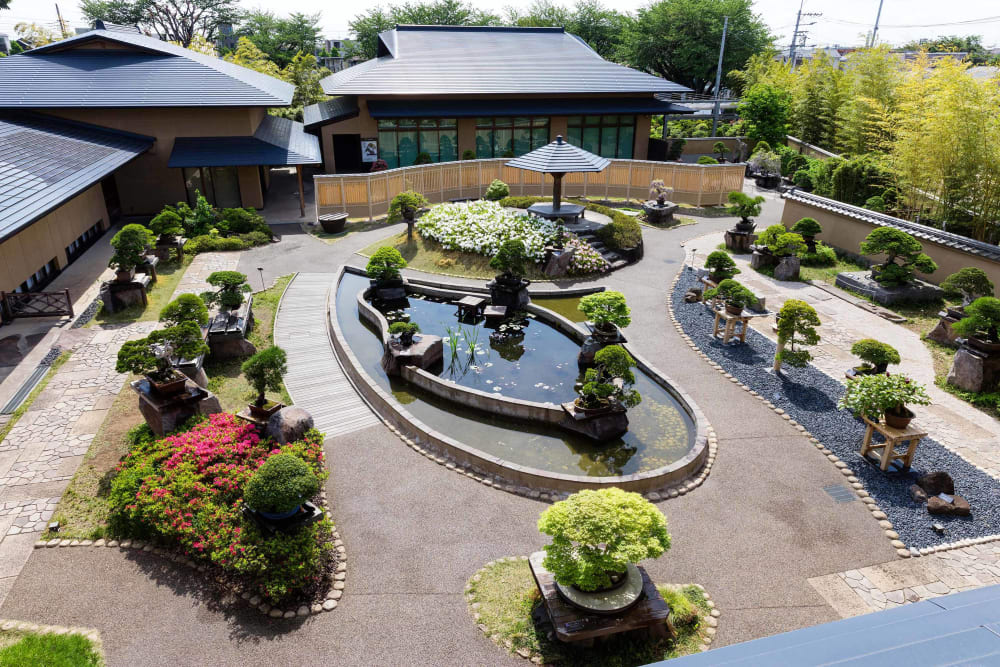
A museum dedicated to the living art of bonsai
The Omiya Bonsai Art Museum is a unique and fascinating destination for anyone interested in the traditional Japanese art of bonsai. Located in Saitama, japan, the museum is the first public institution in the world solely devoted to the art of bonsai. With over 120 bonsai trees on display, some of which are estimated to be 1,000 years old, the museum attracts bonsai practitioners and enthusiasts from all over the world.
Bonsai, which translates to “tray planting” in English, is the art of growing trees in miniature form in containers. The practice originated in China and was later adopted and refined by the Japanese. Bonsai trees are meticulously cultivated to mimic the shape and size of natural trees, creating a harmonious and balanced representation of nature in a confined space.
At the Omiya Bonsai Art Museum, visitors can immerse themselves in the beauty and intricacy of bonsai art. The museum showcases a wide variety of bonsai trees, each with its own unique character and history. Some of the trees have been passed down through generations of bonsai masters, and their age and history add to their allure.
One of the most fascinating aspects of bonsai art is that it is a never-ending process. Bonsai trees are living organisms that continue to grow and evolve over time. The artistry lies in the careful cultivation and maintenance of the trees, which involves techniques such as grafting, root reduction, and pruning. Bonsai artists must exercise patience and restraint as they shape and sculpt the trees, always striving for balance and harmony.
The Omiya Bonsai Art Museum offers workshops and festivals throughout the year, providing opportunities for visitors to learn more about the art of bonsai and even try their hand at creating their own miniature tree. These hands-on experiences allow participants to gain a deeper appreciation for the skill and craftsmanship required to create a bonsai masterpiece.
In addition to the bonsai trees, the museum also houses a collection of woodblock prints and historic artworks that are themed around bonsai culture. These pieces provide insights into the history and significance of bonsai in Japanese society, further enriching the visitor’s understanding of the art form.
The museum is located in an area known as Bonsai Village, which dates back to 1925. After the Great Kanto Earthquake, many bonsai growers relocated from Tokyo to this area, creating a vibrant community dedicated to the art of bonsai. The surrounding gardens and nurseries in Bonsai Village are also worth exploring, as they offer a glimpse into the daily lives of bonsai practitioners.
Visiting the Omiya Bonsai Art Museum is a truly immersive experience that allows visitors to not only admire the beauty of bonsai trees but also gain a deeper understanding of the art form. The museum’s exhibitions and educational programs provide opportunities for visitors to learn about the history, techniques, and cultural significance of bonsai. Whether you are a seasoned bonsai enthusiast or a curious novice, a visit to this museum is sure to be a memorable and enriching experience.
To get to the Omiya Bonsai Art Museum, you can take a train from Shinjuku Station. The museum is located within 50 minutes from Shinjuku, making it easily accessible for both domestic and international visitors. From Shinjuku, you can take the Saikyo Line or Shonan-Shinjuku Line to Omiya Station. Then, transfer to the Tobu Urban Park Line and travel two stops to Omiya Koen Station. The museum is just a ten-minute walk from the station.
As you explore the museum and its surroundings, you will not only be captivated by the beauty of the bonsai trees but also by the friendly and welcoming atmosphere of Bonsai Village. The privately owned nurseries in the village create a sense of community, and you may even have the opportunity to interact with the bonsai growers themselves. They are often hard at work, tending to their trees and maintaining the tranquil beauty of their gardens.
It is important to note that while photography is generally allowed in Bonsai Village, some places may have restrictions, so it is always best to ask for permission before taking any pictures. Respecting the rules and regulations of the village ensures that the bonsai growers can continue to maintain their peaceful and harmonious environment.
If you are planning a visit to the Omiya Bonsai Art Museum, it is advisable to check the official website for the latest information. Due to the ongoing COVID-19 pandemic, there may be changes to the museum’s operating hours or temporary closures. Staying informed will help you plan your visit accordingly and ensure a smooth and enjoyable experience.
In conclusion, the Omiya Bonsai Art Museum is a must-visit destination for anyone interested in the art of bonsai. With its extensive collection of bonsai trees, educational programs, and beautiful surroundings, the museum offers a unique and immersive experience that will leave a lasting impression. Whether you are a bonsai enthusiast or simply appreciate the beauty of nature, a visit to this museum is sure to inspire and delight. So, plan your trip to Saitama and discover the living art of bonsai at the Omiya Bonsai Art Museum.
Address And Maps Location:
2-24-3 Toro-cho, Kita-ku, Saitama-shi, Saitama-ken
Find Location And Direction On Google Maps
Subscribe, follow travelbloggerindonesia.com