japan” loading=”lazy”>
Tour the Interior of Japan’s Central Bank: A Glimpse into History and Modernity
Introduction
Japan is known for its rich cultural heritage and advanced technological developments. One institution that embodies both aspects is the Bank of Japan, the country’s central bank. Established in 1882, the Bank of Japan plays a crucial role in maintaining financial stability and ensuring the smooth operation of the Japanese economy. Its headquarters, located in Tokyo, is not only a symbol of financial power but also a testament to the country’s architectural prowess. In this article, we will take a closer look at the interior of the Bank of Japan, exploring its historical significance, architectural beauty, and the advanced facilities it houses.
The Historical Significance of the Bank of Japan
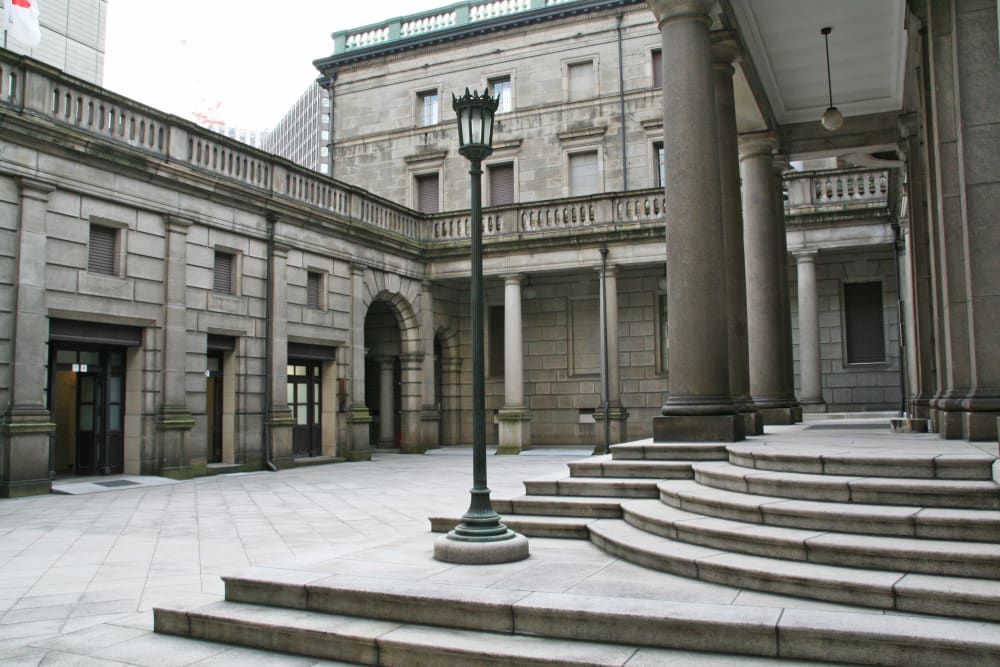
The Bank of Japan’s main building holds immense historical significance as the first national modern building designed by a Japanese architect. Completed in 1896, the main building stands as a classicist masterpiece created by Kingo Tatsuno, who had studied Western architecture. The building’s classical-style stone structure has withstood the test of time, remaining in use for over 120 years. Its architectural grandeur reflects the aspirations of a nation seeking to establish itself as a global economic powerhouse.
The Classical-Style Stone Architecture
One of the highlights of the Bank of Japan’s main building is its classical-style stone architecture. The meticulously crafted stone facade exudes elegance and grandeur, reminiscent of European neoclassical designs. The symmetrical layout, ornate columns, and intricate detailing make the building a true architectural marvel. As you step inside, you are transported to a bygone era, where craftsmanship and attention to detail were paramount.
Visiting the Underground Vault
Another fascinating aspect of the Bank of Japan’s interior is the underground vault. This highly secure area houses Japan’s precious financial reserves and provides a glimpse into the nation’s economic strength. While access to the vault is restricted to authorized personnel, visitors can learn about its significance and marvel at the measures taken to protect the country’s wealth. The vault represents the Bank of Japan’s commitment to safeguarding the nation’s financial stability.
Advanced Facilities Ahead of Their Time
Despite being constructed over a century ago, the Bank of Japan’s main building boasts advanced facilities that were rare for their time. The inclusion of elevators and shutters showcased Japan’s forward-thinking approach to modernization. These amenities not only enhanced the functionality of the building but also reflected the country’s determination to keep pace with global advancements. Today, these facilities stand as a testament to Japan’s innovative spirit and its commitment to progress.
The Bank of Japan’s Role in Issuing Banknotes
As the country’s central bank, the Bank of Japan is responsible for issuing banknotes. This critical function ensures the smooth circulation of currency and facilitates economic transactions. The bank’s meticulous approach to maintaining the quality and integrity of banknotes has earned it a reputation for excellence. Visitors can gain insights into this intricate process and witness firsthand the care and precision that goes into producing Japan’s currency.
Architectural Marvels by Tatsuno Kingo
The main building of the Bank of Japan was designed by Tatsuno Kingo, a renowned architect who also created the redbrick building of Tokyo Station. Tatsuno’s architectural prowess is evident in both structures, showcasing his ability to seamlessly blend Western architectural styles with Japanese aesthetics. The Bank of Japan’s main building stands as a testament to Tatsuno’s talent and his contribution to Japan’s architectural heritage.
How to Get There
The Bank of Japan Head Office is centrally located in Tokyo, making it easily accessible by train or taxi. Situated in Nihonbashi, the headquarters is just a short walk from several stations, including Mitsukoshi-mae Station, Kanda Station, and Tokyo Station. These convenient transportation options ensure that visitors can reach the Bank of Japan with ease, allowing them to explore its interior and learn about its rich history.
An Important Cultural Property
The Bank of Japan’s main building stands on the former site of the Kinza, a gold mint. The preservation of the building’s original features, such as its large courtyard and lobby, has earned it the status of an Important Cultural Property. This designation recognizes the building’s historical and cultural significance, further emphasizing its value as a symbol of Japan’s financial heritage.
Guided Tours of the Main Building
To fully appreciate the historical and architectural significance of the Bank of Japan’s main building, visitors can participate in English-language guided tours. These tours offer a comprehensive overview of the bank’s history, its role in the Japanese economy, and the architectural elements that make the building unique. It is advisable to make a reservation in advance to secure a spot on the tour and ensure a seamless experience.
Take an Online Tour “BOJ from Home”
For those unable to visit the Bank of Japan’s main building in person, an online tour called “BOJ from Home” is now available. This virtual tour allows viewers to explore the interior of the bank’s main building in 3D, providing a realistic and immersive experience. Whether on a PC or mobile device, visitors can navigate through the various sections of the building and gain insights into its history and significance. For an even more captivating experience, virtual reality goggles or glasses can be used to create a truly immersive journey.
Collections from the Past
In addition to the main building, visitors can explore the Currency Museum located across the street. This museum houses a vast collection of coins and banknotes from Japan’s past, offering a glimpse into the country’s economic evolution. From ancient currencies to modern-day banknotes, the museum showcases the rich history and cultural significance of money. It is a testament to Japan’s economic growth and its commitment to preserving its financial heritage.
Conclusion
The Bank of Japan’s main building is a captivating blend of history, architecture, and modernity. Its classical-style stone structure, designed by the talented architect Tatsuno Kingo, stands as a testament to Japan’s architectural prowess. The inclusion of advanced facilities, such as elevators and shutters, showcases the nation’s commitment to progress. By visiting the Bank of Japan, whether in person or through virtual means, visitors can gain a deeper understanding of Japan’s financial heritage and the crucial role played by the central bank. It is a journey that combines history, culture, and innovation, providing a unique perspective on Japan’s economic development.
Address And Maps Location:
2-1-1 Nihonbashi Hongoku-cho, Chuo-ku, Tokyo-to
Find Location And Direction On Google Maps
Subscribe, follow travelbloggerindonesia.com