Key Takeaways
Wat Okat: The Sacred Temple of Nakhon Phanom
Overview
Wat Okat, also known as Wat Okat Si Bua Ban, is a historic and revered temple located in Nakhon Phanom Province, thailand. This ancient sanctuary is renowned for housing two esteemed Buddha images named "Phra Tio" and "Phra Thiam." These images are not only spiritual symbols but also artistic treasures, surrounded by intricate murals that enhance the temple’s sacred atmosphere. The temple, with its rich history and unique religious artifacts, serves as a testament to the region’s cultural and spiritual heritage.
The Revered Buddha Images: Phra Tio and Phra Thiam
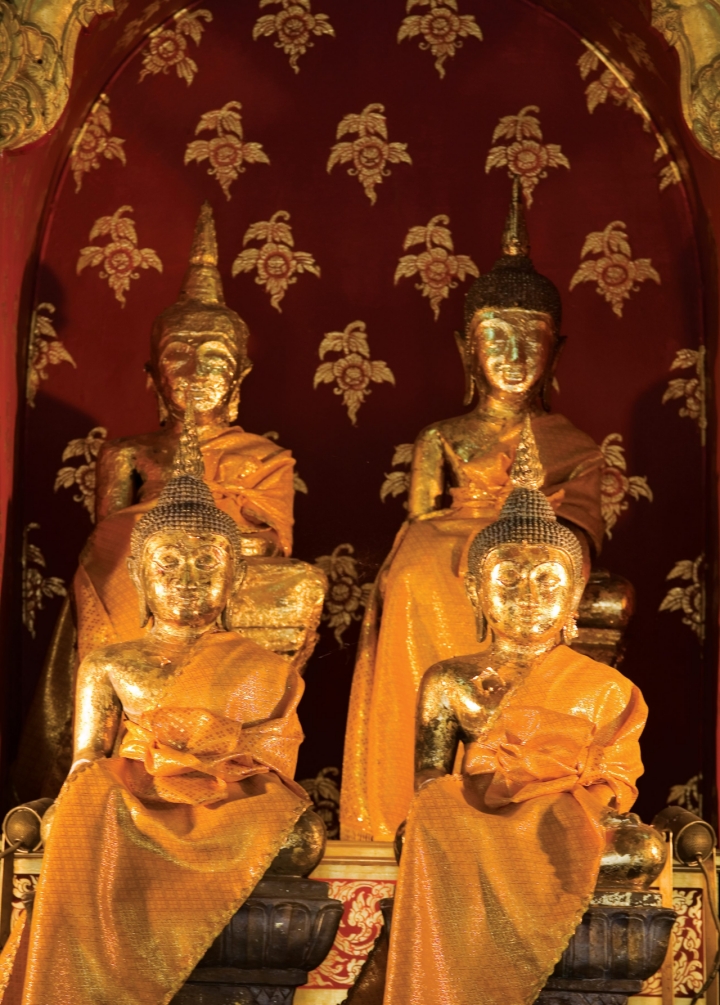
At the heart of Wat Okat are the two iconic Buddha images, Phra Tio and Phra Thiam. These statues are unique due to their identical appearance and distinctive Mara Vichaya posture, symbolizing enlightenment and victory over the temptations of Mara. Crafted from ironwood, each statue stands at 39 centimeters high with a height of 60 centimeters. Phra Thiam is positioned on the right side of the principal Buddha image, while Phra Tio is on the left. Their presence in the temple is not only a focus of worship but also a source of local legends and historical narratives.
The Legend of Phra Tio
The origin story of Phra Tio dates back to the time of the Si Khotrabun Kingdom. According to legend, King Si Khotrabun commissioned the construction of a royal barge, which required logs to facilitate its movement to the Khong River. Among these logs was a piece of Tio wood that resisted movement, leading to the belief that it contained a guardian spirit. In response, the King ordered the wood to be carved into a Buddha image in 784 AD. A ceremonial celebration was held to honor the new statue, marking its significance in the kingdom’s spiritual life.
The Story of Phra Thiam
The tale of Phra Thiam is intertwined with a historical fire incident during the reign of King Khattiyawong. This fire consumed the hall housing Phra Tio. In light of this event, the King commissioned a replica of Phra Tio from sacred wood, which was named Phra Thiam. Interestingly, the original Phra Tio statue was later discovered in the Khong River and reunited with its replica at Wat Okat. Together, these statues represent resilience and continuity of faith.
Artistic Splendor: Murals and Architectural Details
The main hall of Wat Okat is adorned with stunning murals depicting scenes from the life of Lord Buddha. These paintings are masterpieces of religious art, offering insights into Buddhist teachings and Thai cultural expressions. The murals are complemented by wooden plates atop each pole, featuring illustrations of angels inside glass pavilions. The walls are decorated with golden stars on a red background, while the poles are painted with vibrant Thai patterns, creating a harmonious blend of color and spirituality.
Cultural and Spiritual Significance
Wat Okat is not merely an architectural marvel; it is a focal point of spiritual life in Nakhon Phanom. The temple’s Buddha images are considered sacred icons, drawing devotees and tourists alike. They serve as a reminder of the enduring power of faith and the rich cultural tapestry of the region. The temple’s legends and artistic treasures make it a vital part of Nakhon Phanom’s identity, preserving ancient traditions while inspiring future generations.
Conclusion
In summary, Wat Okat is a temple of profound historical and spiritual importance. Its revered Buddha images, captivating legends, and exquisite murals make it a significant cultural landmark in Nakhon Phanom. As visitors explore its sacred halls, they are invited to reflect on the rich history and spiritual heritage that continue to define this remarkable temple. Wat Okat stands as a testament to the enduring legacy of faith and artistry in Thailand.
—
Detailed Examination of Wat Okat’s Elements
The Historical Context
Wat Okat’s history is deeply interwoven with the cultural and spiritual evolution of Nakhon Phanom. Understanding its past provides insight into the region’s broader historical narrative. The temple’s origins can be traced back to a time when the Si Khotrabun Kingdom flourished, marking an era of significant religious and political development. The creation of the Phra Tio and Phra Thiam images during this period reflects the kingdom’s devotion to Buddhism and its commitment to preserving spiritual artifacts.
Architectural Features and Artistic Details
The architecture of Wat Okat is a blend of traditional Thai styles and unique local influences. The Busabok pavilion, where the Buddha images reside, is a prime example of intricate craftsmanship. The pavilion’s design showcases the skill and artistry of the builders, with attention to detail evident in every aspect. The murals inside the main hall, depicting the life of Lord Buddha, are not only artistic achievements but also educational tools that convey Buddhist teachings through visual storytelling.
The Role of Legends and Myths
Legends and myths play a crucial role in shaping the cultural identity of Wat Okat. The stories of Phra Tio and Phra Thiam are more than just historical accounts; they are narratives imbued with spiritual significance. These legends offer lessons in faith, resilience, and the mystical aspects of religious artifacts. They serve to connect the past with the present, providing a sense of continuity and belonging for the local community.
Preservation and Conservation Efforts
Preserving Wat Okat’s architectural and artistic heritage is essential for maintaining its historical and spiritual significance. Conservation efforts focus on protecting the temple’s structures and artworks from environmental damage and the passage of time. These initiatives are crucial for ensuring that future generations can continue to experience and appreciate the temple’s cultural treasures. Collaborative efforts between local authorities, conservation experts, and the community are vital for the success of these preservation projects.
The Impact on Local Community and Tourism
Wat Okat is a cornerstone of community life in Nakhon Phanom. It plays a significant role in local religious practices, festivals, and cultural events. The temple is also a major attraction for tourists, contributing to the region’s economy and promoting cultural exchange. Visitors are drawn to the temple’s spiritual ambiance, historical significance, and artistic beauty. This influx of tourists provides opportunities for local businesses and fosters a greater appreciation for the region’s cultural heritage.
Conclusion
Wat Okat stands as a beacon of spiritual and cultural heritage in Nakhon Phanom. Its historical significance, artistic beauty, and spiritual depth make it a vital part of Thailand’s cultural landscape. As efforts continue to preserve and promote this sacred site, Wat Okat will remain a source of inspiration and a testament to the enduring power of faith and art. Through its legends, architecture, and community impact, the temple offers a glimpse into the rich tapestry of Thai cultural and spiritual life.
Address And Location:
Nong Yat Mueang Nakhon Phanom Nakhon Phanom 48000