Key Takeaways
1. Elephant Study Centre, Ban Ta Klang Elephant village
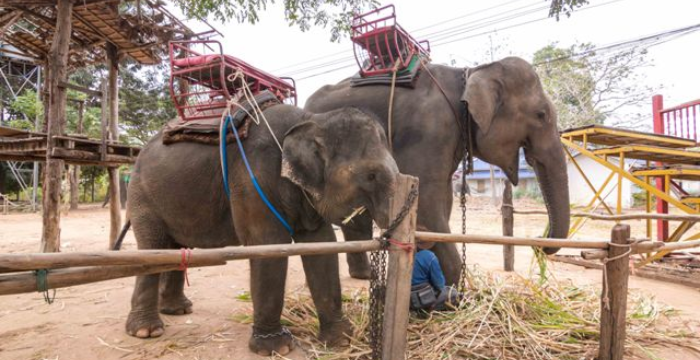
The Elephant Study Centre, located in the Ban Ta Klang Elephant village, is the largest elephant raising village in the world. This village is home to the ethnic Kuai or Kuy people, who have preserved the culture and traditions related to elephants for generations. The Kuai ethnic people are skilled mahouts, who have mastered the art of catching wild elephants and raising them as part of their families.
Visitors to the Elephant Study Centre will have the opportunity to learn about the way of life of the Kuai people and their deep connection with elephants. The bond between human and elephant in this village is like no other place in the world.
At the centre, visitors can witness the daily activities of the elephants, such as feeding, bathing, and training. They can also participate in various educational programs and workshops to gain a deeper understanding of these magnificent creatures.
One of the highlights of the Elephant Study Centre is the elephant show, where visitors can witness the intelligence and agility of the elephants as they perform various tricks and tasks. This show is not only entertaining but also serves as a reminder of the importance of conservation and protection of these endangered animals.
Overall, a visit to the Elephant Study Centre in the Ban Ta Klang Elephant village is a unique and enriching experience that allows visitors to appreciate the beauty and majesty of elephants while learning about the rich cultural heritage of the Kuai people.
2. Village of Traditional Golden Brocade
The Village of Traditional Golden Brocade, also known as Ban Tha Sawang, is famous for its exquisite woven textiles. These textiles were chosen to be tailor-made for the shirts of 21 APEC leaders and the shawls of their spouses during the APEC Summit in Thailand in 2003.
The handicraft work created by the Chansoma cloth-weaving group in Ban Tha Sawang is known as “1,416-heddled, gold-brocaded silk”. This traditional weaving technique has been preserved and revived by the villagers, who combine the alternate gold braid weaving designs of the royal household with the techniques of folk weaving to create the old-styled golden brocade silk.
Headed by Achan Wiratham Trakun-ngoenthai, the Chansoma group is renowned for their skill in creating intricate and delicate designs on the silk textiles. The resulting products, such as bracelets, belts, necklaces, and earrings, showcase the artistry and craftsmanship of the villagers.
A visit to the Village of Traditional Golden Brocade offers visitors the opportunity to witness the weaving process firsthand and even try their hand at creating their own woven textiles. This immersive experience allows visitors to appreciate the time and effort that goes into creating these beautiful pieces of art.
By supporting the local artisans and purchasing their products, visitors can contribute to the preservation of this ancient craft and ensure its continuation for future generations.
3. Sikhoraphum Sanctuary
The Sikhoraphum Sanctuary is a Hinduism sanctuary built around the 12th century, showcasing a combination of Bapuan and Angkor Khmer architectural styles. The sanctuary is famous for its five brick prang towers, all resting on a laterite base.
One of the standout features of the Sikhoraphum Sanctuary is the intricate sandstone carving of Apsaras, or female dancers, on the door frame of the principal prang. This carving is considered one of the most beautiful and complete sandstone sculptures in Thailand.
Visitors to the sanctuary can explore the various structures and admire the detailed carvings that adorn the walls and pillars. The peaceful and serene atmosphere of the sanctuary makes it a perfect place for reflection and contemplation.
The Sikhoraphum Sanctuary is not only a testament to the architectural prowess of the past but also a reminder of the rich cultural and religious heritage of the region. It serves as a valuable historical and cultural site that attracts both locals and tourists alike.
4. Silverware Handicraft Village
The Khewa Sinarin village is renowned for its ancient silverware, created with a unique design called “Luk Pakueam” or beads. The artisans in this village transform silver plates into plain round or oval shapes and then enamel them with intricate designs, such as Lai Khai Maengda and Lai Dok Phikun.
The resulting silverware pieces, including bracelets, belts, necklaces, and earrings, showcase the creativity and skill of the craftsmen in Khewa Sinarin. Each piece is meticulously crafted and reflects the cultural heritage of the region.
Visitors to the Silverware Handicraft Village can witness the silverware-making process and even try their hand at creating their own pieces under the guidance of the artisans. This hands-on experience allows visitors to appreciate the intricacies of the craft and gain a deeper understanding of the artistry involved.
By supporting the local artisans and purchasing their silverware, visitors can help preserve this ancient craft and support the livelihoods of the craftsmen and their families.
5. Ban A-lue Homestay
The Ban A-lue Homestay offers visitors a unique opportunity to immerse themselves in the traditional lifestyle of the Kuy tribe. The Kuy tribe is the first ethnic group to settle in Lower Isan, and they have preserved their primitive way of living, including costumes, lifestyle, culture, and traditions.
The houses in the village maintain their original style, with high stilts designed to raise elephants underneath and provide space for a loom. The women in the village dedicate time from their farming activities to weave folk silk textiles.
During a stay at the Ban A-lue Homestay, visitors can experience the daily life of the Kuy tribe, participate in traditional activities, and learn about their customs and traditions. This cultural exchange allows visitors to gain a deeper appreciation for the rich cultural heritage of the Kuy tribe.
By staying at the homestay, visitors also contribute to the sustainable tourism practices in the area and support the local community. The revenue generated from tourism helps improve the livelihoods of the villagers and ensures the preservation of their cultural traditions for future generations.
6. Ban Phluang Sanctuary
The Ban Phluang Sanctuary is a small stone sanctuary with distinctive features and exquisite carved sculptures. The sanctuary is built with sandstone and bricks on a rectangular laterite foundation, surrounded by a moat.
Believed to have been built in the 11th-12th centuries, the sanctuary was dedicated to the worship of the God Indra. One of the notable carvings found in the sanctuary is that of God Indra riding the Erawan elephant, carved above Kala, a mythological creature, on the east side.
The Ban Phluang Sanctuary showcases the artistic skills and craftsmanship of the people from the past. The intricate carvings and unique layout of the sanctuary make it a fascinating historical and cultural site to explore.
A visit to the sanctuary provides visitors with the opportunity to appreciate the architectural wonders of the past and gain insight into the religious beliefs and practices of the region.
7. Phanom Sawai Forest Park
The Phanom Sawai Forest Park is a picturesque hill consisting of three peaks. The first peak, Yot Khao Chai (Phanom Pro), stands at 220 meters high and is home to Wat Phanom Sawai. Visitors can climb a cement brick staircase adorned with 1,080 bells to reach the temple.
The temple features a large pond surrounded by a peaceful atmosphere. It also houses the Phra Phuttha surinthara Mongkhon, a large white Buddha image in the attitude of giving a blessing, with King Rama IX’s initials, Pho Po Ro, enshrined at the Buddha’s relics at the navel.
The second peak, Yot Khao Ying (Phanom Sarai), is home to Wat Phanom Silaram. This temple houses a medium-sized Buddha image on the hilltop and is surrounded by two ancient ponds believed to be a habitat for sacred turtles.
The third peak, Khao Khok (Phanom Kron), stands at 150 meters high and houses Sala Atthamuk, a memorial on the Rattanakosin Bicentennial celebration. The memorial enshrines a replica of the Buddha’s footprint.
The Phanom Sawai Forest Park offers visitors the opportunity to enjoy breathtaking views of the surrounding landscape while exploring the temples and observing the natural beauty of the area. It is a peaceful and serene place that provides a respite from the hustle and bustle of city life.
8. Surin National Museum
The Surin National Museum is a treasure trove of artifacts and exhibits that showcase the natural history, archaeology, and history of Surin province. The museum was built with the support of local advisors who conducted extensive research and gathered stories about the province.
Visitors to the museum can explore various exhibition rooms that cover a wide range of topics, including the city’s history from the Ayutthaya era to the present, the ethnology of different ethnic groups residing in Surin province, and the region’s outstanding heritage of elephant raising, handicrafts, and folk performances.
The Surin National Museum serves as an important educational and cultural institution that preserves and promotes the rich heritage of the region. Through its exhibits and displays, the museum provides visitors with a deeper understanding of Surin’s history, culture, and traditions.
9. Buddhist Lent Candle Festival and Elephant Alms-giving
The Buddhist Lent Candle Festival and Elephant Alms-giving is an annual event held in Surin province. The festival is a celebration of the Buddhist Lent period and includes a procession of beautifully decorated candles and an alms-giving ceremony for the elephants.
During the festival, the streets come alive with vibrant colors, music, and dance performances. The highlight of the event is the parade of giant candles, intricately designed and decorated by local artisans. These candles symbolize the light of wisdom and are carried by monks and participants as they make their way through the city.
The alms-giving ceremony for the elephants is a unique and awe-inspiring spectacle. The elephants, adorned with colorful garments and accessories, walk through the streets as people offer them food and blessings.
The Buddhist Lent Candle Festival and Elephant Alms-giving is not only a religious event but also a celebration of the deep cultural and historical connection between the people of Surin and elephants. It is a time for locals and tourists to come together and appreciate the beauty and significance of this tradition.
10. Eel Festival, Jasmine Rice, and Red Cross Fair
The Eel Festival, Jasmine Rice, and Red Cross Fair is an annual event held in Amphoe Chumphon, a district located in the renowned Jasmine rice production area of Surin province.
The festival celebrates the abundance of Jasmine rice and the importance of eels in the local cuisine. The festival’s activities include a parade decorated with Jasmine rice grains and traditional dance performances, an eel catching competition, and contests related to Jasmine rice, such as the eel size contest, rice threshing, and rice pounding competitions.
In addition to the agricultural-themed activities, the festival also features exhibitions of the best products in Chumphon Buri, OTOP products trade fair, and local entertainment shows, including Mo Lam and folk music performances.
The Eel Festival, Jasmine Rice, and Red Cross Fair provide a platform for the local community to showcase their agricultural heritage, culinary traditions, and artistic skills. It is a vibrant and lively event that offers visitors a unique insight into the cultural richness of Surin province.
Overall, Surin province offers a diverse range of attractions and experiences for visitors to explore. From the majestic elephants and traditional handicrafts to the rich historical and cultural sites, there is something for everyone in this beautiful province. A visit to Surin is not only a chance to appreciate the natural and cultural wonders but also an opportunity to support sustainable tourism and contribute to the preservation of the region’s heritage.
Subscribe, follow travelbloggerindonesia.com