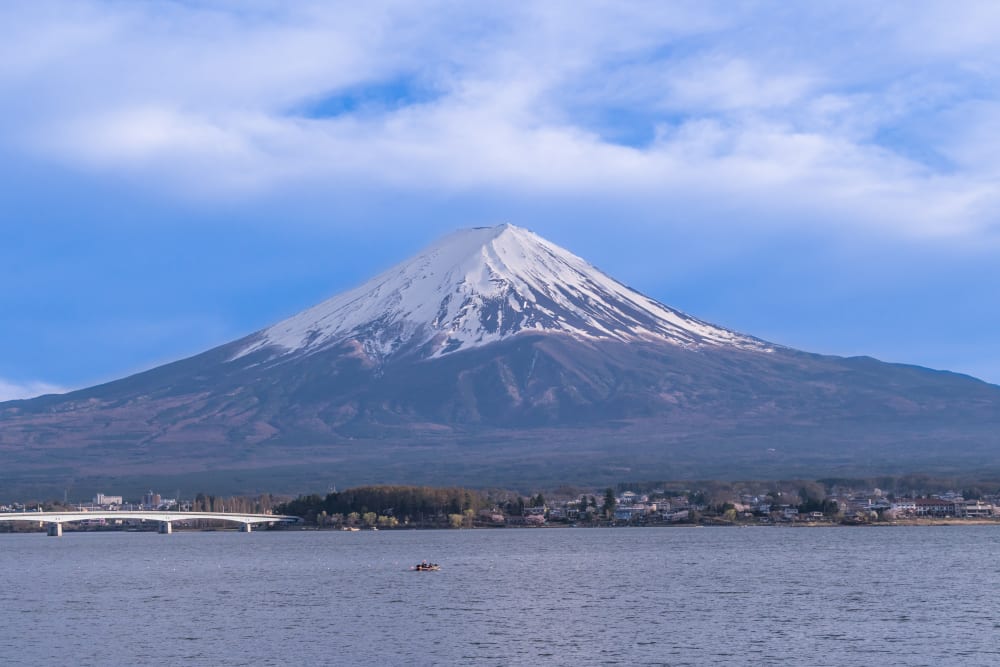
Lake Kawaguchi (Kawaguchiko) is one of the most accessible places in Japan to enjoy Mount Fuji scenery, lakeside walks, museums and traditional hot springs. Located in Yamanashi Prefecture, it is popular as a day trip from Tokyo, but an overnight stay gives you more chances to see Mount Fuji between clouds and enjoy the area when daytime buses have departed. This guide covers practical transport, viewpoints, seasons, outdoor activities and a realistic itinerary.
Key Takeaways
Lake Kawaguchi: Quick Travel Facts
- Location: Fujikawaguchiko, Minamitsuru District, Yamanashi Prefecture, Japan.
- Main arrival point: Kawaguchiko Station, connected by train and highway bus.
- Best for: Mt. Fuji views, lakeside cycling, art museums, seasonal flowers, hot springs and easy trails.
- Suggested duration: One full day for highlights, two days for a relaxed visit.
- Admission: The lakefront is generally free to enjoy; buses, cruises, museums, ropeways and baths charge separately.
- Fuji visibility: Never guaranteed. Clear skies often matter more than the time of year, and conditions can change quickly.

For a higher viewpoint, explore Mt. Fuji Panoramic Ropeway. Visitors interested in climbing routes rather than lakeside sightseeing should read about Fuji Subaru Line 5th Station separately.
How to Get to Lake Kawaguchi from Tokyo
By highway bus from Shinjuku
Highway buses connect Shinjuku Expressway Bus Terminal with Kawaguchiko Station and are often one of the easiest options. Direct services can take around two hours in favourable traffic, but busy roads and holiday congestion can make the trip longer. Book in advance for popular weekends and peak autumn foliage days.
By train via Otsuki
Travel from Shinjuku on JR services toward Otsuki, then continue on the Fujikyuko Railway to Kawaguchiko Station. Some through-services are offered on certain schedules, so compare the latest timetable and total fare. The Japan Rail Pass generally does not cover the private Fujikyuko segment; check any relevant pass rules before travelling.
Getting around the lake
The sightseeing bus network serves major lakefront stops, but services can be crowded and infrequent compared with urban Tokyo trains. A bicycle may suit confident riders in good weather, while a rental car offers flexibility for farther locations. The lake is larger than it looks on a map, and walking between all viewpoints is not realistic in one day.

Best Things to Do Around Lake Kawaguchi
1. Photograph Mount Fuji from the north shore
The north and northeast shores are famous for lake-and-mountain photographs. Oishi Park is especially known for flower displays in season, though blooms vary with weather and planting. For sharp views, try early morning and monitor cloud conditions. Never step into private gardens or block roads to recreate a particular photograph.

2. Ride the Mt. Fuji Panoramic Ropeway
The ropeway ascends Mount Tenjo above the lake and can provide superb views on a clear day. Timed queues, windy conditions and service interruptions are possible. Compare the current round-trip fare and operating status before joining the queue.
3. Visit Itchiku Kubota Art Museum
The Itchiku Kubota Art Museum is a distinctive cultural stop, known for its artistic textiles, kimono-related work and carefully designed grounds. It is a good choice when the weather is too cloudy for long-distance views of the mountain. Allow time to appreciate the museum’s setting, not only the display rooms.

4. Walk or cycle beside the lake
Lake Kawaguchi’s shores include pleasant paths, parks, cafés and viewpoints. A short lakeside walk can be more enjoyable than rushing to every bus stop, especially in spring and autumn. Cyclists should follow local road rules and watch for pedestrians and parked vehicles.
5. Take a sightseeing boat
Lake cruises offer a different angle on the shoreline and Mt. Fuji. Operating hours depend on weather, boat schedules and seasonal demand, so treat them as optional rather than guaranteed experiences. Boat photos can be especially attractive when the water is calm.
6. Enjoy a hot spring stay
Several hotels and bathing facilities in the area feature onsen baths. Not every bath has an unobstructed mountain view, so check the actual room or bathing-area photographs when booking. Follow Japanese bathing etiquette and the property’s tattoo policy. For more Japanese hot-spring ideas, consider Hyotan Onsen or Beppu on a separate Kyushu trip.
7. Explore seasonal events
The area is popular for cherry blossoms in spring, flowers in summer and autumn foliage around the Maple Corridor. Events and exact peak dates vary each year. The nearby Fuji Shibazakura Festival is a separate seasonal attraction, not an event inside Lake Kawaguchi itself.
When Is the Best Time to Visit Lake Kawaguchi?
Spring: cherry blossoms and cooler walks
Spring is attractive for lakeside walks and, when the season aligns, flowering trees with Mt. Fuji in the background. Popular viewpoints fill up during peak blossoms, and early mornings are generally easier for photography.
Summer: greenery, flowers and unpredictable clouds
Summer brings lush landscapes and outdoor activities, but Mount Fuji can disappear into cloud cover. Carry sun protection and rain gear, and check the forecast before hikes. Summer also coincides with the official mountain-climbing season, which has separate rules, routes and reservation requirements.
Autumn: red leaves and crisp scenery
Autumn is particularly popular around the north-shore Maple Corridor. The foliage peak is weather-dependent and cannot be promised for a particular day. Visitors planning October or November should expect increased weekend travel demand.
Winter: clearer skies and cold mornings
Cold, clear winter weather can offer some of the best mountain visibility. Wear layers, beware of icy walking surfaces, and check for seasonal service changes before booking outdoor activities.
Suggested Lake Kawaguchi Itineraries
One-day trip from Tokyo
Take an early bus or train to Kawaguchiko Station, then choose the ropeway and one north-shore viewpoint. Have lunch, visit a museum or take a lake cruise, and return to Tokyo with a buffer for traffic or train transfers. Keep the itinerary flexible if Fuji is hidden by clouds.
Two days with an overnight stay
On day one, enjoy the lakeside, ropeway and museum. Stay overnight in a hotel or ryokan and use day two for a second chance at mountain views, cycling or a nearby scenic stop. Families and slower travellers will often find this much less rushed than a long day trip.
Outdoor Activities, Hiking and Trail Running
Choose a route suited to your fitness
Hiking trails around Mount Tenjo and the surrounding hills range in difficulty. Proper footwear, water, navigation and weather awareness are essential. Do not assume a route recommended for walking is suitable for fast trail running; slopes and wet or icy ground can change the risk.
Distinguish mountain climbing from lake sightseeing
Climbing Mount Fuji is a separate undertaking and should never be attempted casually from the lakeside. Official climbing seasons, trail regulations and potential reservation fees need to be checked in advance. A visit to Oshino Hakkai can provide a more relaxed Mount Fuji-area experience if you prefer villages and clear spring water, subject to checking the location and transport connections.
Nearby Fuji Area Attractions
For cultural history, consider the Yoshida Fire Festival, an event connected with local Mount Fuji traditions. Travellers interested in art and landscape photography can also pair Fuji-area sightseeing with Kinkaku-ji or the Philosopher’s Path later on a separate Kyoto visit, not as stops within the Kawaguchiko day trip.
If you are extending a Tokyo-based Japan holiday, explore the city through Tokyo Station, Tokyo Tower, Shinjuku Gyoen National Garden and Shibuya Crossing. These provide useful itinerary alternatives when mountain weather is poor.
For more background on Mount Fuji’s cultural significance, visit the Fujisan World Heritage Center. Another attractive nature stop within the wider Fuji region is Shiraito Falls in Shizuoka, though it requires a separate cross-prefecture journey rather than a lakeside walk.
Frequently Asked Questions About Lake Kawaguchi
Can you see Mount Fuji from Lake Kawaguchi?
Yes, often from the lake’s north and northeast shores, but cloud and haze can completely hide the mountain. Check a current forecast and allow a second day when possible.
Is Lake Kawaguchi a day trip from Tokyo?
Yes. Highway buses and trains make a day visit possible, although an overnight stay is less rushed.
How do I reach Kawaguchiko Station by train?
Travel via Otsuki on JR and Fujikyuko Railway services, or use an available direct train connection when the timetable suits you.
Is Lake Kawaguchi free?
The lakeshore itself is generally free to visit. Sightseeing buses, boats, museums, ropeways, hotels and some other attractions have separate fees.
When is autumn foliage at Lake Kawaguchi?
Autumn colours often intensify around late October and November, but actual peak timing varies with temperature and local conditions.
Address, Maps and Official References
Fujikawaguchiko, Minamitsuru-gun, Yamanashi-ken, Japan.
Original Google Maps directions to Lake Kawaguchi


Official Sources and Further Reading
- Japan National Tourism Organization — Lake Kawaguchi
- Fujikawaguchiko Tourism Federation — local transport and sightseeing
- Fujikyu Bus — current bus routes
Explore more Japan travel guides at Travel Blogger Indonesia. Updated October 2026; seasonal conditions and fares change.