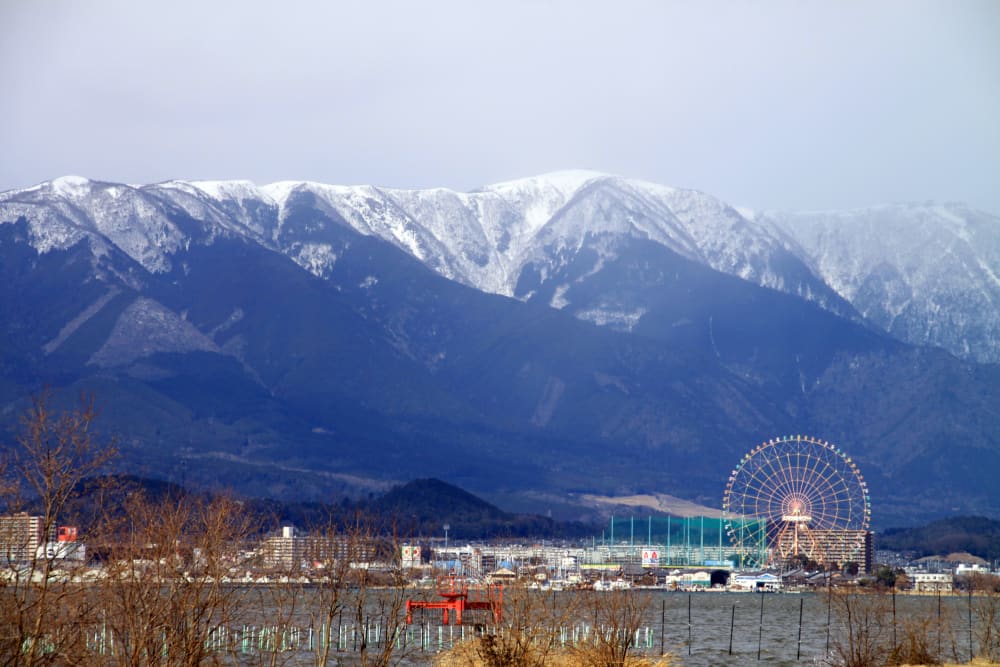
Lake Biwa is Japan’s largest freshwater lake, but its appeal goes far beyond a quick photograph of the water. Shiga Prefecture surrounds the lake with castle towns, sacred islands, sandy beaches, museums, historic temples and mountain viewpoints. Because the shoreline is extensive, the best itinerary begins by choosing one or two areas rather than attempting to circle the lake in a single day. This guide explains the main attractions, transport from Kyoto, seasonal activities, costs and practical decisions that make a Lake Biwa trip easier.
Key Takeaways
Where is Lake Biwa and why is it special?
Lake Biwa lies northeast of Kyoto in central Shiga Prefecture. Its approximately 235 kilometres of shoreline offer a range of landscapes, from the urban southern shore at Otsu to quieter northern waters. The lake is considered at least four million years old and supports distinctive freshwater species. Its name refers to its resemblance to a biwa, a traditional Japanese stringed instrument. The official JNTO Lake Biwa overview introduces the region’s natural and cultural highlights.
For first-time visitors, Otsu is convenient for cruises and lakeside walking; Hikone offers castle history; Nagahama is useful for northern sightseeing boats; and the western shore offers beaches, shrine scenery and access to elevated viewpoints. Travellers arriving through Kyoto Station can reach the southern lakeside quickly, while trips to the north need more time.
Top things to do at Lake Biwa
1. Cruise the southern lake from Otsu
A sightseeing cruise is one of the easiest ways to appreciate the lake’s size. The Michigan paddle-style sightseeing boat operates from Otsu Port, offering views across the southern lake, open-air decks and optional onboard food depending on the service. The operator publishes seasonal 60-minute and 90-minute routes. Its 2026 standard timetable lists adult fares of ¥2,800 for Michigan 60 and ¥3,400 for Michigan 90, although dates, ports and schedules vary and weather can interrupt departures.
Check the official 2026 Biwako Kisen timetable before booking. Otsu Station is not the same place as the cruise terminal, so allow additional walking or local transport time. After a cruise, explore the waterfront or investigate the Otsu Festival if you are visiting during its annual celebrations.
2. Visit Chikubu Island
Chikubushima is a small sacred island in the northern part of the lake. The boat trip is part of the experience: ferries connect the island with Nagahama, Hikone and Imazu ports on suitable operating days. Visitors climb steps to reach Hogonji Temple and Tsukubusuma Shrine, two sites that reflect the region’s long religious history. The JNTO Chikubu Island guide describes crossings of roughly 25 to 40 minutes, depending on the departure port.
Leave enough time for the outward ferry, sightseeing, steps and the return crossing. Timetables can be seasonal, so do not arrive assuming boats run continuously. Our Chikubu Island article provides further context, while Nagahama is a logical town to explore before or after the crossing.
3. Explore Hikone Castle and the eastern shore
The eastern shore offers some of Shiga’s strongest cultural stops. Hikone Castle is especially appealing for visitors who enjoy historic architecture and traditional townscapes. Walk around the castle district, leave time for gardens or nearby streets, and avoid planning the visit as a five-minute detour from the station. A day in Hikone can feel very different from a relaxed afternoon in Otsu.
If you are staying longer, combine Hikone with a northern lakeside town rather than racing back and forth across the prefecture. Nagahama Hikiyama Festival is a separate cultural attraction worth researching when travel dates match the event.
4. See Shirahige Shrine’s floating torii
Shirahige Shrine is known for a torii gate standing in the lake near the western shore. The water, changing light and surrounding hills create a striking scene, especially on clear days. The shrine grounds and the lakeside gate are separated by a busy road. For safety, remain in designated viewing areas and never step into traffic to take photographs.
The western shore requires more careful route planning than central Otsu. Check local buses, taxis and train connections before departure, particularly if you intend to continue north. A lakeside shrine visit can be combined with nearby scenery, but distances may be greater than they appear on a map.
5. Swim or relax at Omi-Maiko Beach
Omi-Maiko is a well-known warm-weather recreation area on the western shore, with sandy stretches and pine trees. Swimming, windsurfing and other water activities depend on the season, operator availability and weather. Reach the area using the JR Kosei Line toward Omi-Maiko Station, then continue on foot. Before entering the water, check posted local restrictions and conditions; do not assume that every section of shoreline is supervised.
For a different seasonal landscape, Kaizu Osaki in northern Shiga is known for lakeside cherry blossoms. Spring flowering dates vary from year to year, so consult local forecasts rather than treating any specific weekend as guaranteed peak bloom.
6. Visit the Lake Biwa Museum
The Lake Biwa Museum in Kusatsu connects the lake’s geological history, wildlife and human communities through exhibits and an aquarium focused on freshwater environments. It is a strong choice for families, curious travellers and rainy days. According to the museum’s official visitor information, regular opening hours are 9:30 a.m.–5 p.m. with final admission at 4 p.m. The published adult permanent-exhibition fee is ¥840, while special exhibitions may cost extra.
The museum is reached by bus or taxi from Kusatsu Station, not directly from Otsu’s waterfront. It has scheduled closure dates and occasional exhibit restrictions, so check the official calendar. For additional regional culture, consider Sagawa Art Museum or Ishiyamadera Temple on separate outings.
7. Take in mountain views at Biwako Valley
The mountains overlooking the western shore provide a dramatic contrast to the lake itself. Biwako Valley offers elevated scenery and seasonal activities, but ropeway operations and visibility are weather-dependent. A cloudless forecast can make the difference between a memorable panorama and a view of mist. Check the operating calendar, wind conditions and onward transport before making the trip.
For a different elevated experience in Shiga, Sakamoto Cable Car is worth researching. Mountain areas can be cooler than the lakefront even in warm weather, so pack an extra layer if you expect to spend time outside.
8. Discover historic temples and towns
Shiga has rewarding cultural sites beyond the waterfront. Miidera Temple is a potential stop near Otsu, while Hachiman-bori Canal adds preserved merchant-town scenery to a wider Shiga itinerary. On the eastern side, Saimyoji Temple and Hyakusaiji Temple are worth considering if you have a car or enough time for local connections.
These attractions are not all within walking distance of one another. Group visits geographically, and allow for slower local transport in rural areas. If you enjoy hands-on cultural experiences, Shigaraki’s ceramic traditions can make a separate inland day trip.
9. Stay overnight at Ogoto Onsen or beside the lake
Ogoto Onsen on the western side of the southern lake is a traditional hot-spring area with ryokan and hotels. Staying overnight can turn a rushed day trip into a calmer journey: enjoy a cruise, watch the evening light and start early the next morning. Confirm accommodation bathing rules, day-use access and meal arrangements directly with each property.
Outdoor enthusiasts may prefer campsites or seasonal watersport centres around the lake. Rental equipment, lifeguard arrangements and campground availability differ by location. Reserve ahead when necessary, especially on summer weekends and public holidays.
How to get to Lake Biwa
From Kyoto to Otsu
The JR Tokaido/Biwako Line connects Kyoto Station and Otsu Station in approximately ten minutes on suitable services. This is the simplest approach for a first-time Lake Biwa visit. Allow additional time to reach the lakeside or Otsu Port from the station, and check train schedules for the specific day.
From Kyoto to Hikone and Nagahama
Hikone and Nagahama are farther north and require a longer rail journey. Depending on the service, travellers may change at Maibara or another station. For eastern Shiga, Maibara is an important transport hub. The JNTO Shiga regional access guide explains the main rail routes and the difference between the lake’s southern, eastern and western areas.
Western shore and island ferries
The JR Kosei Line serves much of the western shore, including stations near popular beaches. Boats to Chikubu Island operate independently of the railway timetable; plan the return ferry first, especially if you are not staying nearby. If driving, consider traffic and parking conditions around popular shrines and beaches during holiday periods.
Best season to visit Lake Biwa
Spring: Comfortable temperatures and cherry blossoms make walks and cultural sightseeing appealing. Kaizu Osaki and other lakeside areas may be busy during bloom. Summer: Beaches, cruises and water sports are popular, but heat, thunderstorms and crowds can affect plans. Autumn: Cooler conditions suit temples, castles and scenic drives. Winter: The lake can feel peaceful, while mountain activities and some boat services operate on reduced schedules.
No season guarantees perfect weather. Check the operator’s current notices for each paid activity rather than relying on a generic seasonal description. In particular, do not assume that a summer cruise schedule or beach facility remains available in winter.
Suggested Lake Biwa itineraries
Half-day from Kyoto
Travel to Otsu in the morning, enjoy the waterfront and take a short sightseeing cruise if departure times work. Have lunch in the city and return to Kyoto. This is a realistic introduction for travellers with limited time and minimal transport complexity.
One full day
Choose one primary experience: Otsu and the Lake Biwa Museum, or Hikone Castle and nearby heritage streets, or a west-shore beach and shrine route. Trying to fit every attraction into a single day leads to more time in transit than at the sites themselves.
Two days
Spend day one around Otsu and the southern or western shore. On day two, explore Hikone or Nagahama, adding a Chikubu Island crossing if ferry times and weather permit. If you enjoy regional history, Koka Ninja Village is another Shiga option for a different trip, not an automatic stop on the lakeside route.
Travel tips and common mistakes
Plan around geography, not only attraction names. Confirm the nearest useful station and the last bus or ferry. Bring sun protection for summer lake outings, layers for mountain viewpoints and comfortable shoes for historic districts. Respect shrines, private property and local fishing activity; never trespass for a photograph. At beaches, obey water safety signs and keep children supervised.
Prices, opening times and transportation change. Before setting out, cross-check the latest information from the museum, cruise operator and JNTO. If a timetable or price on an old blog conflicts with an official operator notice, use the operator’s current information.
Frequently asked questions
Is Lake Biwa worth visiting from Kyoto?
Yes. The southern lake is close enough for a half-day trip, and the wider region rewards visitors who have a full day or more. Choose activities according to the time available rather than trying to see the entire shoreline.
Can you swim in Lake Biwa?
Swimming is possible at suitable recreational beaches in the appropriate season. Check local restrictions, weather and water conditions, and do not assume every shore is designated for swimming.
Is Lake Biwa free to visit?
Public viewpoints and some waterfront walks can be enjoyed without an admission ticket. Cruises, museums, transport, rentals and selected cultural sites have separate charges.
What is the best base for a first visit?
Otsu is convenient from Kyoto. Choose Hikone for castle history, Nagahama for northern sightseeing boats or the western shore for beaches and scenic viewpoints.
Conclusion
Lake Biwa is best appreciated as a region rather than a single landmark. From a short cruise out of Otsu to the historic streets of Hikone, the sacred island of Chikubushima or the quieter western shore, each area reveals a different side of Shiga. Build a practical route, check official schedules and leave room to enjoy the scenery.
Official references
JNTO Lake Biwa · JNTO Chikubu Island · Biwako Kisen cruise schedule · Lake Biwa Museum visitor guide
Address And Maps Location:
Shiga-ken
Find Location And Direction On Google Maps
Subscribe, follow travelbloggerindonesia.com