Key Takeaways
Bang Luang Market: A Historical and Cultural Fusion
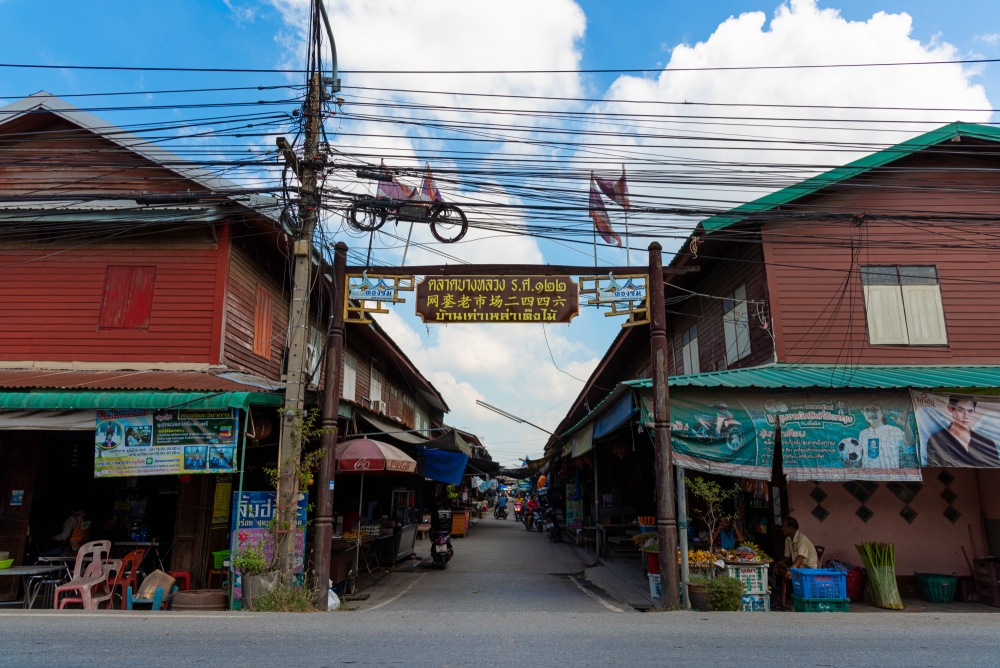
The Bang Luang Market, an enduring piece of thailand‘s vibrant history, stands proudly on the western bank of the Tha Jeen River in Tumbol Bang Luang, Amphoe Bang Lane, Nakhon Pathom. Established in 1903 (B.E. 2446), this market is more than just a place for commerce; it is a living testament to the harmonious integration of Thai and Chinese cultures. With 68 wooden shop houses facing each other, the market retains its lively atmosphere and continues to be a bustling hub for local residents and visitors alike.
Historical Background
Bang Luang Market was founded during a time when Chinese immigrants began establishing themselves along the banks of the Tha Chin River. They constructed wooden shop houses that not only served as places of business but also as their homes. This setup led to the formation of a vibrant vendor community. The market was originally divided into the upper, middle, and lower sections, each contributing to the area’s economic activity. With its strategic location, Bang Luang became a key player in the sea trade of Amphoe Bang Len, offering several harbors that facilitated convenient trade operations.
The market’s historical significance is further enhanced by the Suphan cooperation, which provided a cruise service from Suphan Buri to Ngio Rai Station in Amphoe Nakhon Chai Si. This service enabled easier travel between villages, fostering economic and cultural exchanges. Today, the market still echoes the past, with its shops and stalls offering glimpses into the rich tapestry of Thai and Chinese heritage.
Cultural Integration
Bang Luang Market is often referred to as "The Harmonious Integration of Thai and Chinese Cultures with Amazing Food and Dessert." This description aptly captures the market’s essence, where cultural fusion is evident in every corner. From Chinese herb shops and homemade noodle stalls to kiosks selling traditional items like false teeth, the market showcases a unique blend of traditions.
The culinary offerings at Bang Luang Market are a testament to this cultural integration. Visitors can indulge in a variety of local delicacies, including Khao Kiap Pak Mo, Chun Pia (Chinese Spring Roll), and Khanom Chip. Each shop proudly displays signs in both Thai and Chinese, emphasizing the market’s multicultural identity.
During the Chinese New Year, the market takes on a special significance as people gather to worship at the Buan Hok Tueng vegetarian house. This tradition highlights the enduring cultural ties that bind the community together.
Market Operations
Bang Luang Market operates on weekends, opening its doors to visitors from 8 am to 5 pm on Saturdays and Sundays. This schedule allows both locals and tourists to explore the market at their leisure, immersing themselves in its rich cultural and historical offerings.
For those seeking more information or wishing to plan a visit, the market can be contacted at 08 1571 3827 or 08 9746 4304. Whether you’re a history enthusiast, a foodie, or someone seeking a unique cultural experience, Bang Luang Market promises a memorable journey through time and tradition.
—
Exploring the Historical Roots of Bang Luang Market
The Genesis of a Market
Bang Luang Market’s origins date back to 1903, during a period of significant cultural exchanges in Thailand. Chinese immigrants were instrumental in shaping the market’s initial structure, establishing wooden shop houses along the Tha Chin River. These shop houses were designed with dual purposes in mind: the ground floor served as a commercial space, while the upper floor provided living quarters for the merchants and their families.
This architectural style was not only practical but also facilitated the development of a close-knit vendor community. As trade flourished along the riverbanks, Bang Luang Market emerged as a pivotal economic hub in Amphoe Bang Len. The market was strategically positioned to capitalize on the bustling sea trade, with multiple harbors enhancing its accessibility for traders.
The Role of Suphan Cooperation
The Suphan cooperation played a vital role in the market’s growth by offering a cruise service that connected Suphan Buri to Ngio Rai Station in Amphoe Nakhon Chai Si. This service was crucial in bridging the geographical gaps between villages, promoting the exchange of goods, ideas, and cultural practices. As a result, Bang Luang Market became a melting pot of diverse influences, contributing to the rich tapestry of Thai and Chinese cultures that define it today.
—
Cultural Fusion: The Heartbeat of Bang Luang Market
A Culinary Journey
Bang Luang Market is renowned for its diverse culinary offerings, which reflect the seamless integration of Thai and Chinese cultures. Visitors are treated to a gastronomic adventure, with stalls offering a wide array of traditional dishes. One of the market’s most popular delicacies is Khao Kiap Pak Mo, a savory treat that showcases the intricate flavors of Thai cuisine. Chun Pia, or Chinese Spring Rolls, offer a delightful contrast with their crispy texture and flavorful fillings.
Khanom Chip, another local favorite, highlights the market’s commitment to preserving traditional recipes. Each dish served at Bang Luang Market tells a story of cultural exchange and adaptation, where age-old culinary practices have been passed down through generations.
Cultural Significance
Beyond its culinary delights, Bang Luang Market serves as a cultural beacon, celebrating the harmonious coexistence of Thai and Chinese traditions. The market’s layout, with its wooden shop houses and bilingual signage, underscores this unique cultural blend. Shops offering Chinese herbs and traditional remedies stand alongside those selling Thai handicrafts, creating a vibrant tapestry of sights and sounds.
The cultural significance of Bang Luang Market is perhaps most evident during the Chinese New Year when the community comes together to worship at the Buan Hok Tueng vegetarian house. This annual tradition is a testament to the enduring bonds between the market’s Thai and Chinese residents, highlighting the shared values and beliefs that continue to unite them.
—
Practical Information for Visitors
Market Operations and Accessibility
Bang Luang Market is open on weekends, providing visitors with ample opportunity to explore its offerings. The market operates from 8 am to 5 pm on Saturdays and Sundays, welcoming both locals and tourists to experience its vibrant atmosphere. For those planning a visit, the market’s contact numbers are 08 1571 3827 and 08 9746 4304, ensuring that all inquiries are promptly addressed.
Visiting Tips
To make the most of your visit to Bang Luang Market, consider arriving early to beat the crowds and enjoy a leisurely stroll through the market’s aisles. Take the time to engage with the vendors, who are often eager to share their stories and insights into the market’s history and cultural significance. Sampling the diverse array of foods is a must, as each dish offers a unique taste of the market’s rich heritage.
Whether you’re a history buff, a food enthusiast, or a cultural explorer, Bang Luang Market promises a captivating journey through time and tradition. Its enduring charm and cultural richness make it a must-visit destination for anyone seeking to uncover the hidden gems of Thailand’s past and present.
Address And Location:
Bang Luang Bang Len Nakhon Pathom 73190