Certainly! Let’s begin by rewriting the original text provided and then expand it into a detailed, formal piece of writing with a clear structure, including appropriate headings.
### Rewritten Text
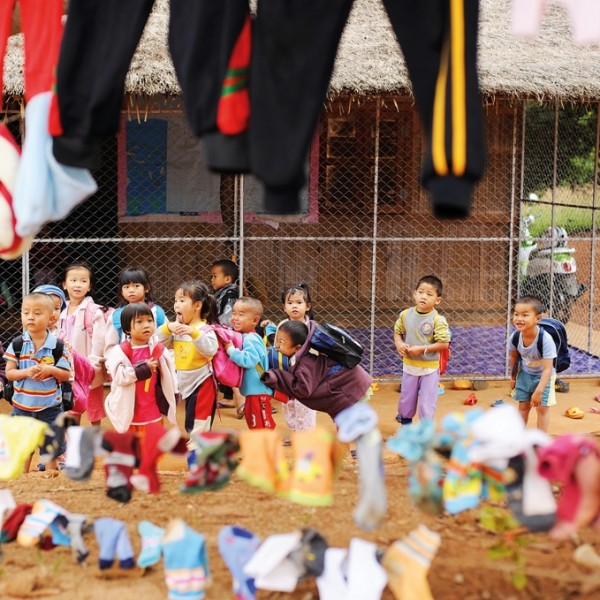
Baan Piang Luang is situated along the border between thailand and Myanmar. This area features a border market where local goods are sold. The community here comprises both Thai Yai individuals and descendants of Chinese immigrants.
—
## Baan Piang Luang: A Cultural and Economic Crossroad
Baan Piang Luang is not merely a geographical location; it is a vibrant confluence of cultures and commerce nestled on the border between Thailand and Myanmar. This unique setting serves as both a trading hub and a cultural melting pot, where diverse populations and rich histories intersect.
### Geographical Significance
#### Location and Accessibility
Baan Piang Luang is strategically positioned at the Thai-Myanmar border, making it an essential point of transit and interaction between the two nations. Its accessibility is facilitated by regional road networks that connect it to major towns and cities in both countries. This advantageous location has turned the area into a significant economic and cultural node.
#### Natural Landscape
The natural surroundings of Baan Piang Luang are characterized by rolling hills and lush greenery, typical of the border region. The landscape not only provides a picturesque setting but also supports various agricultural activities that are crucial to the local economy. The area’s climate, influenced by its elevation and proximity to the mountains, supports a diverse range of flora and fauna, contributing to its ecological richness.
### Economic Activities
#### The Border Market
The border market at Baan Piang Luang is a focal point of economic activity. It serves as a bustling marketplace where local traders and merchants from both Thailand and Myanmar gather to exchange goods. This market is renowned for offering a wide array of products, ranging from fresh produce and traditional handicrafts to imported goods. The market’s dynamic atmosphere is a testament to the economic vitality and cultural exchange that defines Baan Piang Luang.
#### Trade and Commerce
Trade in Baan Piang Luang extends beyond the market itself. The area’s strategic location has fostered a robust trade network that connects it to regional and international markets. Goods such as agricultural produce, textiles, and artisanal products flow through this hub, supporting the livelihoods of countless individuals and contributing to the broader economic landscape of the region.
### Cultural Diversity
#### The Thai Yai Community
The Thai Yai, also known as Shan, form a significant part of Baan Piang Luang’s population. This ethnic group has its roots in the Shan State of Myanmar but has long established a presence in northern Thailand. The Thai Yai are known for their rich cultural heritage, including distinctive traditions, language, and cuisine. Their influence is evident in the cultural fabric of Baan Piang Luang.
#### Chinese Descendants
In addition to the Thai Yai, Baan Piang Luang is home to descendants of Chinese immigrants. These individuals trace their ancestry back to waves of migration from China, particularly during periods of political upheaval. Over the years, this community has integrated into the local society while preserving elements of their cultural identity. Their presence adds another layer of diversity to the area, enriching its cultural landscape.
### Social Dynamics
#### Community Interactions
The interaction between different cultural groups in Baan Piang Luang is characterized by mutual respect and cooperation. This harmonious coexistence is evident in communal activities, festivals, and daily life. The blending of traditions and customs has fostered a unique local culture that is both diverse and cohesive.
#### Challenges and Opportunities
While Baan Piang Luang thrives on its cultural and economic diversity, it also faces challenges typical of border regions. Issues such as border security, immigration, and resource management require careful attention. However, these challenges also present opportunities for collaboration between Thailand and Myanmar, as well as for local development initiatives that can enhance the quality of life for residents.
### Conclusion
Baan Piang Luang stands as a testament to the richness that arises from cultural diversity and economic interdependence. Its strategic location on the Thai-Myanmar border has made it a vital center for trade and cultural exchange. As it continues to evolve, Baan Piang Luang offers valuable lessons in coexistence and collaboration, serving as a microcosm of the broader regional dynamics at play in Southeast Asia. Through its unique blend of cultures, economic activities, and social interactions, Baan Piang Luang exemplifies the potential of border regions to serve as bridges between nations and peoples.
Address And Location:
Mueang Haeng Wiang Haeng Chiang Mai 50350