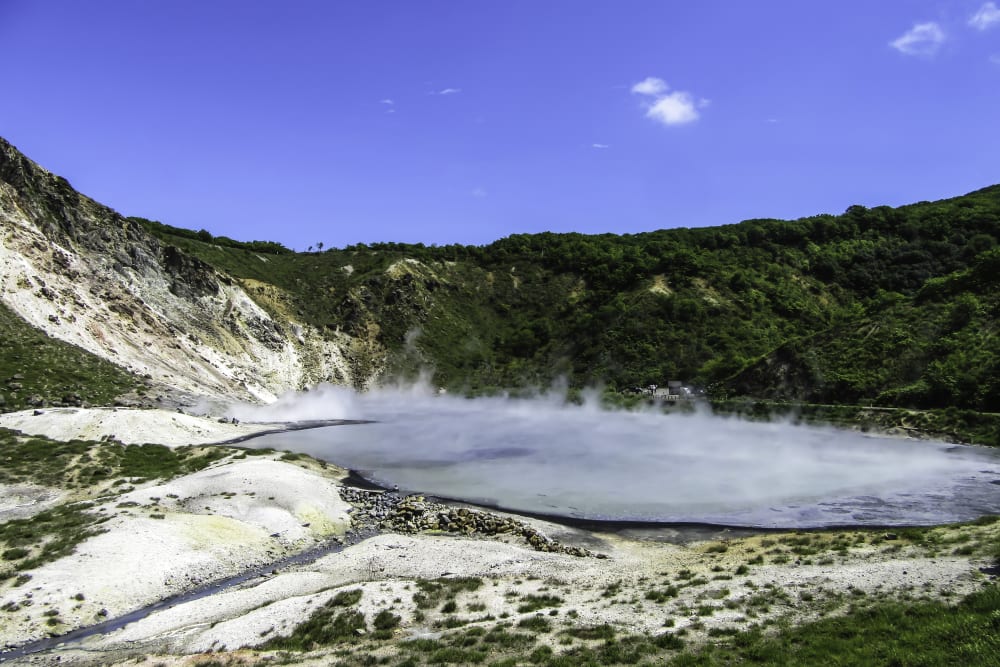
Noboribetsu Onsen is one of Hokkaido’s best-known hot spring towns, celebrated for its variety of mineral waters and its proximity to the dramatic geothermal landscape of Jigokudani, or Hell Valley. It makes a rewarding overnight stop for travellers who want a traditional Japanese bathing experience without abandoning a wider Hokkaido itinerary.
Unlike a single public bath, Noboribetsu Onsen is a district of hotels, ryokan, restaurants and bathing facilities. Visitors can explore the steaming valley, stroll through the small town and arrange a day-use bath or an overnight stay. The Japan National Tourism Organization describes nine types of hot spring water in the area, although the types available depend on the individual bathhouse.
Key Takeaways
Why Visit Noboribetsu Onsen?
The appeal is the combination of volcanic scenery and a relaxed spa-town atmosphere. You can see where geothermal water emerges from the ground and later soak in a properly managed bathing pool. Start with the wider Noboribetsu area guide if you are deciding how much time to allow.
Different mineral waters, different bathing experiences
Noboribetsu is especially associated with cloudy, sulfur-rich water, but local facilities also offer baths with other mineral compositions. Descriptions of the waters often mention traditional wellness benefits. These are not a substitute for medical treatment, and individual reactions vary. Follow the bathhouse’s posted advice, avoid prolonged exposure to very hot water and speak with a clinician if you have a condition that makes heat exposure risky.
Many ryokan operate large indoor bathing areas and outdoor rotenburo. Some admit day visitors, while others reserve facilities for overnight guests. Day-use hours, prices, tattoo policies and access to private baths are property-specific; confirm them directly before travelling rather than assuming every hotel offers the same service.
Hell Valley: the source of the atmosphere
The area’s signature natural sight is Noboribetsu Hell Valley. The open volcanic terrain features steaming vents, mineral-stained ground and boardwalk viewpoints. Japan’s tourism authority notes that the boardwalk area is about a five-minute walk from the onsen bus terminal. Stay on marked paths: geothermal water and unstable ground can be hazardous.
For a quieter contrast, consider the Noboribetsu Primeval Forest. Paths and viewing areas may close because of weather or maintenance, so check local notices before setting out. The scenery is especially atmospheric in cool weather, when steam is more visible against the air.
How to Get to Noboribetsu Onsen
From Sapporo by train and bus
Take a JR service from Sapporo toward Noboribetsu Station. Depending on the service and connections, the train portion can take around 70 minutes on a limited express or longer on other trains. At JR Noboribetsu Station, transfer to a local bus for Noboribetsu Onsen; the road journey is approximately 15–20 minutes. Confirm the latest rail and bus departures, especially for evening arrivals.
Do not confuse Noboribetsu Station with Noboribetsu Onsen. The station is outside the hot spring district, so arriving by train does not mean you can immediately walk to the ryokan. The Noboribetsu tourism association’s access guide explains road and public-transport connections.
From New Chitose Airport
A common route is to travel by rail via Minami-Chitose to JR Noboribetsu and then continue by local bus. Limited direct or connecting coach services may also be available, but reservations and operating patterns vary. If you are carrying large luggage, allow time for transfers and check whether your accommodation provides a shuttle.
By car
Driving gives flexibility for nearby lakes and viewpoints, but parking conditions differ among hotels and public lots. Snow and icy roads can affect Hokkaido travel in winter. Ask your accommodation about parking and use current road and weather information before departure.
Things to Do Around Noboribetsu Onsen
Walk the geothermal landscape
Visit Hell Valley first, then follow permitted trails into nearby woodland if conditions allow. The contrast between barren volcanic ground and trees is one of the area’s defining sights. The official Hell Valley visitor guide provides an introduction to the geothermal area and access from the bus terminal.
Enjoy the spa town
Between baths, browse small souvenir shops and look for local Hokkaido dishes. Restaurants may close earlier than in a major city, so check dining arrangements if your ryokan booking does not include dinner. A hotel stay with meals can be convenient when travelling outside peak seasons.
See Lake Kuttara and nearby volcanic scenery
Lake Kuttara is a scenic crater lake in the wider Noboribetsu area. It is better treated as an optional side trip than as a guaranteed quick walk from the spa-town centre. Travellers with a car can also build a wider route around Lake Toya and volcanic Mount Usu, taking care not to overfill a one-day schedule.
Explore other Hokkaido nature destinations
If your itinerary continues west or north, compare the landscapes at Lake Shikotsu and Mount Tarumae. For another hot spring experience closer to Sapporo, read about Jozankei Onsen. These are separate destinations, not attractions within Noboribetsu Onsen itself.
How to Use an Onsen Respectfully
Before entering the water
Remove shoes where requested, leave clothing and large towels outside the bathing pool and wash thoroughly at the shower stations before soaking. Most conventional communal baths are used without swimwear, with separate facilities by gender. Follow the signs at the specific property rather than relying on assumptions.
While bathing
Enter slowly, keep your small towel out of the water and avoid swimming, splashing or using a phone in the bathing area. Take breaks, drink water and leave if you feel dizzy. Some facilities restrict entry for tattoos; others permit cover patches or offer private baths. Check directly with the operator.
Families and first-time visitors
Ask about family-friendly temperatures, age rules and private bathing options before booking. A day-use bath can be a good introduction, but a ryokan stay gives you more time to enjoy the area without rushing for the last bus.
Suggested Noboribetsu Itineraries
Half-day visit
Arrive in the onsen district, walk the marked Hell Valley viewpoints, have lunch or a snack and book a day-use bath with confirmed entry hours. This works best when public-transport connections align and you do not need to visit every trail.
One night in a ryokan
Check in, explore the town and geothermal viewpoints, then enjoy an evening bath and a local dinner. The following morning, take another short walk or continue to Lake Toya. This is generally a more comfortable plan for visitors who want to experience the hot springs rather than simply photograph them.
Longer Hokkaido itinerary
Noboribetsu can fit between Sapporo and southern Hokkaido. In Sapporo, possible city stops include the Former Hokkaido Government Office and Hokkaido-jingu Shrine. Farther afield, Asahikawa and northern Hokkaido, Tokachidake Onsen, Niseko and Shiretoko deserve separate travel days rather than being presented as nearby Noboribetsu excursions.
Practical Planning Tips
- Best timing: Noboribetsu is a year-round destination, but snow, rain and wind can change access to walking trails.
- Accommodation: Compare whether the rate includes meals, private bathing or shuttle transfers.
- Budget: Day-bath admission and ryokan prices vary by operator and season; verify current rates on the operator’s booking page.
- Accessibility: Ask about steps, slopes, changing facilities and accessible rooms; volcanic boardwalks are not uniformly step-free.
- Safety: Never enter natural geothermal pools or leave marked routes to reach steam vents.
Frequently Asked Questions About Noboribetsu Onsen
Can I visit Noboribetsu Onsen without staying overnight?
Yes. Some hotels and bathhouses accept day visitors, but entry windows and capacity differ. Check the facility’s latest conditions before travelling.
Is Noboribetsu Onsen the same as Hell Valley?
No. The onsen is the wider hot spring town and bathing district. Hell Valley is a nearby geothermal sightseeing area, not a place to bathe in the wild.
How long should I spend here?
A half day can cover a short sightseeing walk and a bath, but one night is better if you want an unhurried ryokan experience.
Do I need to reserve a bath?
Rules differ. Private baths and popular accommodation usually require advance arrangements; some day-use communal baths accept walk-ins during published hours.
Official Sources and Further Reading
For current access and facility information, consult Japan National Tourism Organization: Noboribetsu Onsen, Noboribetsu International Tourism Association: Directions and JNTO: Noboribetsu Hell Valley. Transport schedules and bathing conditions can change, so confirm details close to your visit.
Address And Maps Location:
Noboribetsuonsen-cho, Noboribetsu-shi, Hokkaido
Find Location And Direction On Google Maps
Subscribe, follow travelbloggerindonesia.com