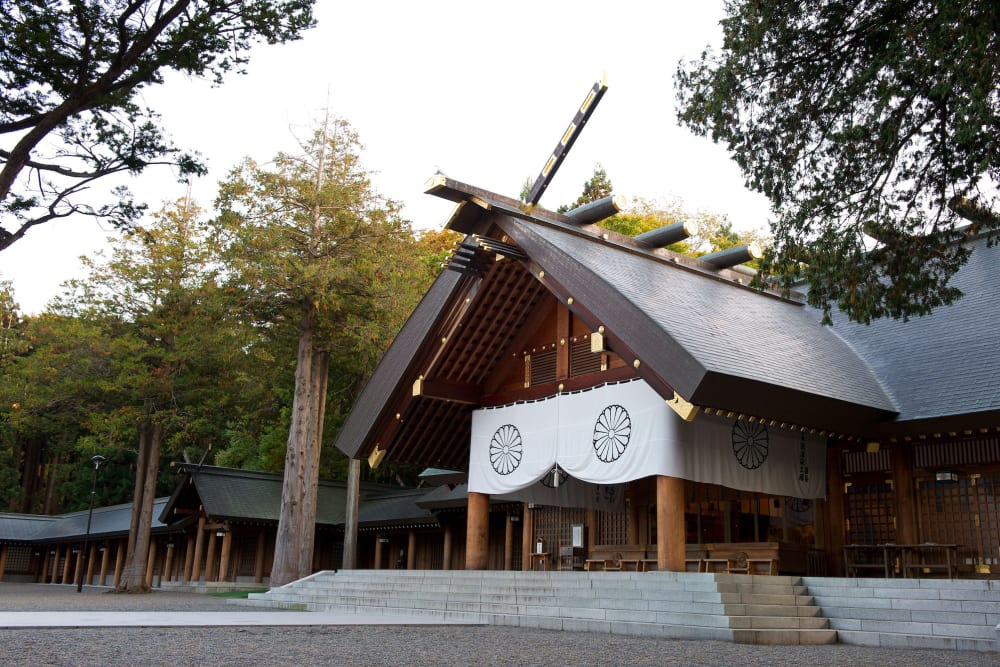
A deeply spiritual place of inner beauty and refined elegance with four guardian gods
Hokkaido-jingu Shrine, located in Sapporo, Hokkaido, is known as one of the best places to view cherry blossoms in northern japan. But it is not just a beautiful spot for nature lovers, it is also a deeply spiritual place with a rich history and cultural significance. The shrine is the resting place of four deities, making it a sacred site for worship and prayer.
The history of Hokkaido-jingu Shrine dates back to the 19th century when the government abolished the feudal system and established a prefectural system in Japan. As part of this transition, three gods were selected to watch over the reclamation of Hokkaido, the northernmost island of Japan. These gods, Okunitama, Onamuchi, and Sukunahikona, were enshrined in a place called Sapporo-jinja, which later became known as Hokkaido-jingu Shrine. The fourth god enshrined here is Emperor Meiji himself, who played a significant role in the modernization of Japan.
The shrine itself is a beautiful architectural masterpiece, reflecting the refined elegance of Japanese design. The main hall, known as honden, is a designated important cultural property of Japan. It is a magnificent structure with intricate woodwork and exquisite craftsmanship. The surrounding grounds are equally stunning, with well-maintained gardens and peaceful walking paths.
One of the highlights of visiting Hokkaido-jingu Shrine is the opportunity to participate in traditional rituals and customs. Visitors can write their wishes on wooden plaques called ema and hang them on designated boards within the shrine grounds. It is believed that the gods will receive these wishes and grant them if they are sincere. Another popular activity is buying lucky charms or amulets, which are said to bring good luck and ward off evil spirits.
To reach Hokkaido-jingu Shrine, visitors can take a two-minute subway train from Sapporo Station to Odori, followed by a seven-minute Tozai subway train to Maruyama-koen Station. From there, it is a pleasant 15-minute walk to the shrine. The journey itself is part of the experience, as it allows visitors to immerse themselves in the local culture and scenery.
When approaching the shrine, it is important to be mindful of etiquette and respect the sacredness of the site. As you pass through the torii gate, it is customary to avoid walking through the center, as it is considered the causeway of the gods. This practice extends to photography as well, as it is advised to avoid shooting from the central path.
In addition to its spiritual and cultural significance, Hokkaido-jingu Shrine also serves as a gathering place for various events and festivals throughout the year. One of the most popular events is the Hokkaido Shrine Festival, which takes place in June and features traditional performances, parades, and food stalls. It is a vibrant celebration of the region’s heritage and a chance for locals and tourists alike to come together and experience the rich traditions of Hokkaido.
In conclusion, Hokkaido-jingu Shrine is not just a place to admire the beauty of cherry blossoms, but also a deeply spiritual site with a rich history and cultural significance. It is a place of inner beauty and refined elegance, where visitors can connect with the divine and experience the traditions of Japan. Whether you are seeking solace, offering prayers, or simply immersing yourself in the beauty of the surroundings, a visit to Hokkaido-jingu Shrine is an experience that will leave a lasting impression.
Address And Maps Location:
474 Miyagaoka, Chuo-ku, Sapporo-shi, Hokkaido
Find Location And Direction On Google Maps
Subscribe, follow travelbloggerindonesia.com