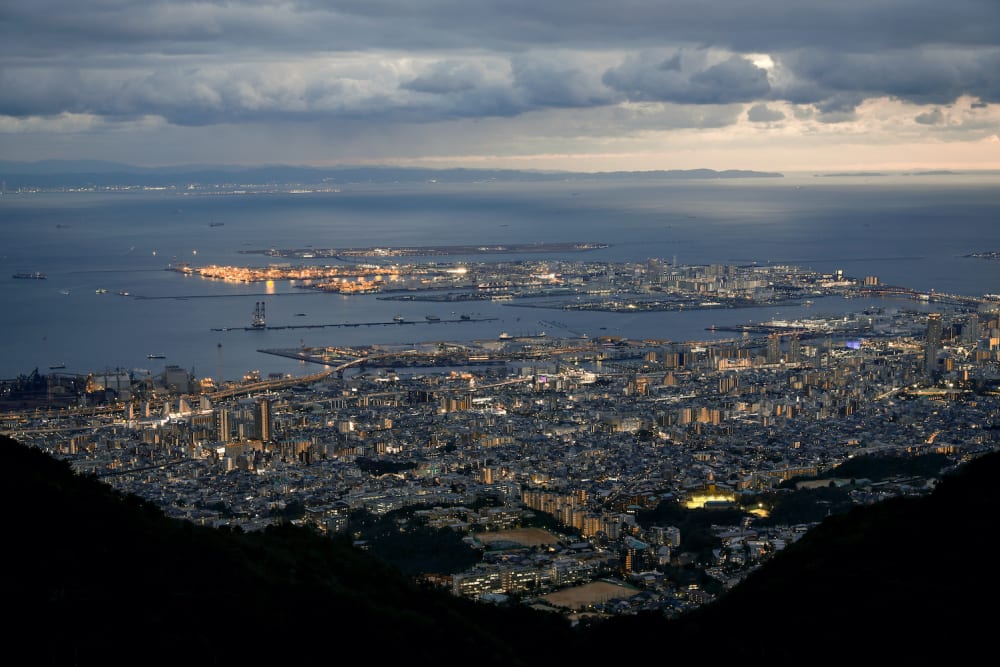
Mt. Rokko is the mountain escape above Kobe: a network of forested ridges, viewpoints, gardens and outdoor attractions overlooking Osaka Bay. It is close enough for a half-day trip from central Kobe, but there is enough to fill a full day if you want to enjoy the cable car, mountain bus, a leisurely lunch and an evening panorama. This guide explains what to see, how to get there, what the journey costs and how to plan without confusing the Rokko Cable Car with Kobe’s other ropeways.
Key Takeaways
Mt. Rokko at a Glance
- Location: Kobe, Hyogo Prefecture, in the Rokko mountain range.
- Highest summit: Rokko Saikoho, approximately 931.3 metres above sea level; the sightseeing cable car ends below this summit.
- Best for: city and bay views, gardens, nature walks, family activities and combining Kobe with nearby hot springs.
- Main public transport: city bus to Rokko Cable Shita, Rokko Cable Car to Rokko Sanjo, then a mountaintop bus.
- Allow: two to three hours for a simple viewpoint visit, or four to seven hours for several attractions.
The mountain area is spread out. A cable-car ticket does not automatically include every attraction, and the observation areas, gardens and adventure facilities may have different operating seasons. Plan your route before buying separate tickets.
How to Get to Mt. Rokko from Kobe
Step 1: Reach Rokko Cable Shita Station
From central Kobe, start at Sannomiya and travel by rail toward JR Rokkomichi, Hankyu Rokko or Hanshin Mikage. Kobe City Bus Route 16 connects these stations with Rokko Cable Shita. The appropriate rail line and bus stop depend on where you are staying, so check a current route planner rather than assuming all trains use the same station.
Step 2: Take the Rokko Cable Car uphill
The Rokko Cable Car climbs approximately 1.7 kilometres from Rokko Cable Shita to Rokko Sanjo, reaching an upper station about 737 metres above sea level. The ride takes roughly ten minutes. The operator’s published standard adult fare is ¥800 one way or ¥1,550 return; the corresponding child fares are ¥400 and ¥780. Fares and services can change, so confirm the official Rokko Cable timetable and fares before departure.
The cable-car service is distinct from the Kobe Nunobiki Ropeway, which serves the herb gardens near Shin-Kobe Station. Do not head to the Nunobiki lower station when your destination is Rokko Garden Terrace.
Step 3: Use the mountaintop bus
Rokko Sanjo Station is a useful first viewpoint, but many attractions are farther along the ridge. The Rokko Sanjo Bus links the cable-car upper station with eastern attractions, while other routes serve the western side. Check the bus route number and last departure for your specific stop. The operator’s East Rokko Tour Ticket combines a return cable-car ride with designated eastern mountain-bus travel; it is not a blanket ticket for every bus route or attraction.
Can you drive or hike?
Road access and established hiking routes are alternatives, but mountain roads can be narrow and trail conditions vary. Drivers should check parking at their chosen destination. Hikers should choose a signed route suited to their fitness, carry water and a warm layer, and allow more time than a city walk. In winter or bad weather, check transport notices and trail closures before setting out.
What to Do on Mt. Rokko
1. Enjoy the views at Rokko Sanjo and Tenrandai
Near the cable-car upper station, Tenrandai offers a broad outlook toward Kobe, Osaka Bay and the urban shoreline. Visibility depends on haze and weather. Daylight is useful for understanding the geography; dusk offers changing colours; and after dark the city lights can be striking. If staying for sunset, check the last downhill cable-car departure before committing to an evening visit.
2. Visit Rokko Garden Terrace
Rokko Garden Terrace is a popular scenic complex with lookout areas, shops and places to eat. On clear days the coastal panorama is the main attraction, while the evening view is a reason to visit later in the day. Some facilities and shops have their own entry charges or seasonal hours. The 2026 official Rokko Garden Terrace visitor leaflet outlines the layout and notes shorter winter operating hours.
3. Explore the Rokko Alpine Botanical Garden
The mountain’s cooler climate supports plants associated with higher elevations. The alpine botanical garden, founded in 1933, is known for its rock-garden sections, woodland areas and seasonal flowers. It is particularly appealing to visitors interested in botany and photography. Check its seasonal opening calendar: a pleasant day in Kobe city does not guarantee that every mountain garden is operating.
4. Try a family activity or an outdoor adventure
Adventure facilities on the ridge, including the Rokkosan Athletic Park Greenia, offer a different kind of visit from the quiet viewpoints. Activities, age and height requirements, weather rules and admission are set by each operator. Families with younger children should choose a manageable section rather than trying to cover the entire park and multiple distant viewpoints in one afternoon.
5. Learn about the mountain’s international history
Mt. Rokko developed as a retreat for foreign residents of Kobe in the late nineteenth century. British trader Arthur H. Groom helped popularise the area as a summer destination; Japan’s first golf course was established here in 1903. This history helps explain some of the European-style buildings and resort atmosphere seen around the ridge today.
6. Continue to Arima Onsen
One appealing longer itinerary is to cross the ridge and descend toward Arima Onsen, a historic hot-spring town. This is a separate transport journey involving the appropriate mountain bus and Rokko-Arima Ropeway, not a free extension of the cable-car ticket. Check both operators’ schedules and the direction of your route, particularly if you are travelling late in the afternoon.
When Is the Best Time to Visit Mt. Rokko?
Spring and early summer
Spring brings fresh greenery, while late spring and early summer suit garden visits and cooler walks. Mountain temperatures are often noticeably lower than downtown Kobe. Carry an extra layer even if the city feels warm.
Summer
The ridge can offer relief from the heat and a pleasant escape for families. However, rain, thunderstorms and strong winds can disrupt outdoor attractions. Book any time-sensitive activity only after checking the current weather and operator conditions.
Autumn
Autumn is a favourite season for changing leaves, clearer views on some days and a combination of garden visits with a stop at Arima Onsen. Peak colour varies with elevation and the year’s weather, so avoid relying on a fixed week.
Winter
Winter can bring crisp views, but the mountain is colder and some gardens or attractions close seasonally. Shorter daylight hours make last-bus planning especially important. Confirm the operating status of the cable car and mountain buses on the day.
Practical One-Day Mt. Rokko Itinerary
Morning: Kobe to the ridge
Leave Sannomiya in the morning, transfer to Route 16, and ride the cable car. Start with the Tenrandai viewpoint, then check the mountain-bus timetable. If you prefer a relaxed visit, choose just one major attraction rather than several far-apart stops.
Midday: Garden, lunch or family activities
Take the mountain bus to the alpine botanical garden or an activity park if open. Have lunch near your chosen attraction or at Rokko Garden Terrace. A packed snack is useful because dining options are not evenly distributed across the ridge.
Afternoon: Garden Terrace and the return
Spend the afternoon at Rokko Garden Terrace and return by mountain bus and cable car. For sunset or night views, confirm the final bus and cable-car times before settling in. If you want to continue to Arima Onsen, reverse the order of attractions and allow for the separate ropeway connection.
More Places to Visit Around Kobe and Hyogo
Mt. Rokko works well as one day of a wider Kobe trip. Back in the city, explore Kitano-cho Historic District for its international heritage, Kobe City Museum for local history, and Motomachi or Kobe Chinatown for an easy food stop.
For waterfront views, combine Meriken Park, Kobe Port Tower and Kobe Harborland. If you are interested in the city’s recent history, the Kobe Earthquake Memorial Museum adds valuable context; Hyogo Prefectural Museum of Art is another option on the eastern side of the city.
For another scenic outing, consider Nunobiki Falls or the nearby Nunobiki Ropeway. Travellers spending several days in Hyogo can add Akashi Kaikyo Bridge or take a separate trip to Himeji Castle. The annual Kobe Luminarie is worth researching if your dates coincide with its scheduled event.
Mt. Rokko Frequently Asked Questions
Is Mt. Rokko the same as Rokko Garden Terrace?
No. Mt. Rokko refers to the broader mountain area. Rokko Garden Terrace is one sightseeing complex on the ridge; Tenrandai, the alpine garden and other attractions are separate stops.
How long does it take to visit?
Allow at least two to three hours for transport and a viewpoint stop from Kobe, and more realistically half a day to a full day if you want several attractions. Include waiting time for buses and the cable car.
Can I see Mt. Rokko without a car?
Yes. Rail, Kobe City Bus Route 16, the Rokko Cable Car and the mountaintop bus form a practical public-transport route. Always check the latest schedules for your return.
Is the cable car covered by a standard city rail ticket?
Do not assume so. The cable car is a separate operator with its own fare structure. Some combination tickets are available, but eligibility and coverage vary.
Is Mt. Rokko suitable for children?
Yes, if you match the activities to their ages and allow for transfers. Viewpoints and gardens are generally easier than demanding trails or high-energy adventure courses. Check each attraction’s rules and accessibility information.
Official Sources and Planning References
- Japan National Tourism Organization: Mt. Rokko — background, transport and key sights.
- Kobe Rokko Railway: operating information — latest cable-car fares, services and mountain-bus details.
- Kobe Rokko Railway: combination tickets — ticket coverage and exclusions.
- JNTO: Arima Onsen and Mt. Rokko — regional travel context.
Information checked against official sources in November 2026. Prices, seasonal facilities, access and operating times may change; confirm with the relevant operator before travel.
Address And Maps Location:
Kobe-shi, Hyogo-ken
Find Location And Direction On Google Maps
Subscribe, follow travelbloggerindonesia.com