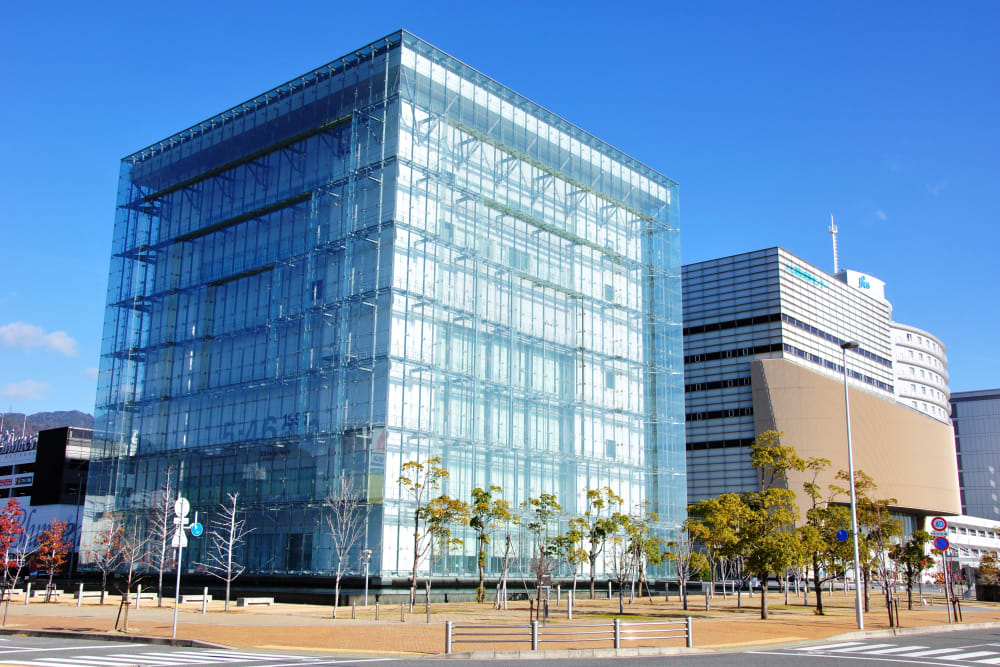
A memorial museum dedicated to earthquake disaster prevention
The Great Hanshin-Awaji Earthquake Memorial Museum is a fascinating and interactive museum that serves as a memorial to the lives lost during the 1995 Great Hanshin-Awaji Earthquake. This earthquake, which occurred on January 17, 1995, was one of the most devastating natural disasters in Kobe’s history. It destroyed tens of thousands of homes and claimed the lives of over 5,000 people.
The museum, officially known as the Great Hanshin-Awaji Earthquake Memorial Disaster Reduction and Human Renovation Institution, was opened in 2002. Its primary purpose is to remember the victims of the earthquake and educate the public about natural disasters, particularly earthquake disaster prevention techniques.
The museum is located in the new city district of HAT Kobe, east of the city center. It is easily accessible, with Iwaya Station on the Hanshin Main Line being just a 10-minute walk away. The museum’s location in the heart of Kobe makes it a convenient and important attraction for both locals and tourists.
Upon entering the museum, visitors are greeted with a collection of historical artifacts from the Great Hanshin-Awaji Earthquake. These artifacts include photographs and a film that document the city’s massive recovery process. These exhibits provide a glimpse into the devastation caused by the earthquake and the resilience of the Kobe community in rebuilding their lives and city.
One of the highlights of the museum is its natural disaster prevention exhibits. These exhibits provide valuable information and interactive experiences that educate visitors on how to prepare for and respond to earthquakes and other natural disasters. Visitors can learn about the science behind earthquakes, the importance of early warning systems, and how to create a disaster preparedness plan for their own homes and communities.
The museum’s exhibits also emphasize the importance of learning from the past for a brighter future. By understanding the causes and effects of past earthquakes, we can better prepare ourselves and our communities for future disasters. The Great Hanshin-Awaji Earthquake serves as a reminder of the unpredictable nature of earthquakes, and the museum encourages visitors to take proactive steps to protect themselves and their loved ones.
In addition to its educational exhibits, the museum also serves as a place of remembrance. Visitors have the opportunity to pay their respects to the lives lost during the earthquake. This reflective space provides a quiet and solemn atmosphere for visitors to contemplate the impact of the disaster and honor the memory of those who perished.
The Great Hanshin-Awaji Earthquake Memorial Museum is not only a place of education and remembrance, but also a symbol of hope and resilience. It stands as a testament to the strength and determination of the Kobe community in the face of adversity. By preserving the memory of the earthquake and promoting disaster prevention, the museum aims to create a safer and more prepared society.
As we reflect on the events of January 17, 1995, it is important to acknowledge the progress that has been made in earthquake disaster prevention since then. The Great Hanshin-Awaji Earthquake served as a wake-up call for not only Kobe, but also for the entire country of japan. It prompted a reevaluation of building codes and safety standards, leading to significant improvements in earthquake-resistant construction techniques.
The lessons learned from the Great Hanshin-Awaji Earthquake have had a lasting impact on earthquake disaster prevention in Japan. Today, Japan is recognized as a global leader in earthquake preparedness and response. The country has implemented advanced early warning systems, developed innovative structural designs, and conducted extensive research on earthquake-resistant technologies.
The Great Hanshin-Awaji Earthquake Memorial Museum plays a crucial role in continuing this legacy of disaster prevention. By educating visitors about the history and impact of the earthquake, the museum reinforces the importance of preparedness and encourages individuals and communities to take proactive measures to mitigate the effects of future earthquakes.
In conclusion, the Great Hanshin-Awaji Earthquake Memorial Museum is a must-visit attraction for anyone interested in learning about earthquake disaster prevention and paying tribute to the lives lost during the 1995 earthquake. Through its informative exhibits, interactive experiences, and reflective spaces, the museum offers a comprehensive and engaging experience that promotes awareness, education, and resilience. By visiting the museum, we can honor the memory of the earthquake victims and contribute to the ongoing efforts to create a safer and more disaster-resilient society.
Address And Maps Location:
1-5-2 Wakinohamakaigandori, Chuo-ku, Kobe-shi, Hyogo-ken
Find Location And Direction On Google Maps
Subscribe, follow travelbloggerindonesia.com