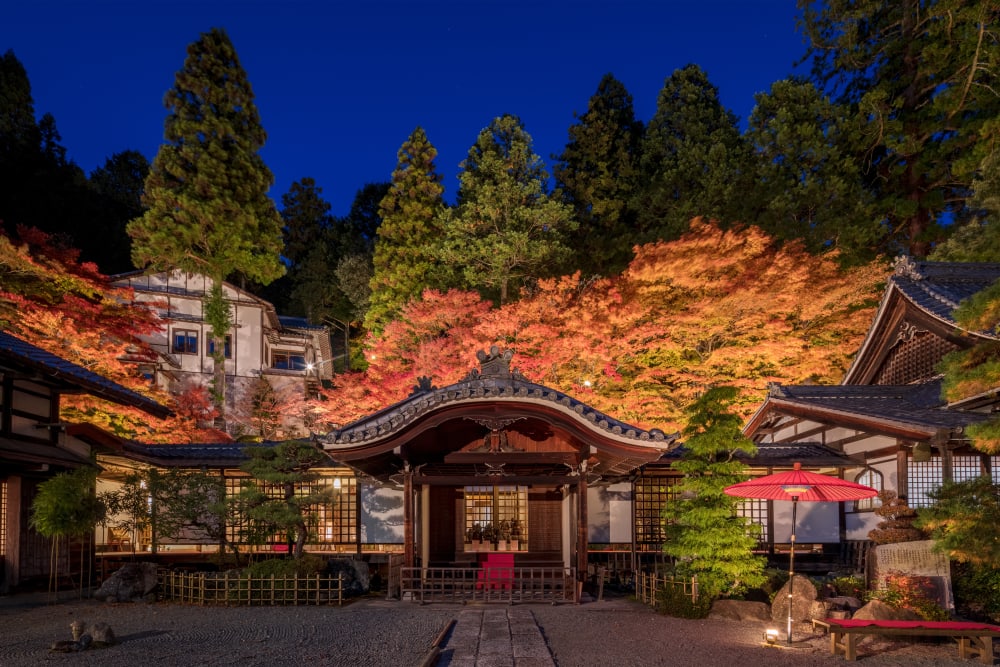
Gero Onsen is a historic hot-spring town in Gifu Prefecture, Japan, known for its mineral-rich baths, traditional ryokan inns and mountain scenery along the Hida River. Whether you are travelling from Nagoya for a day or planning a quiet overnight stay, this guide explains how to reach Gero, choose a bath, explore its cultural sights and check practical details before visiting.
Key Takeaways
Why visit Gero Onsen?
Gero has a long tradition as a hot-spring destination and is often mentioned among Japan’s celebrated onsen towns. Its appeal is not limited to bathing: compact streets, river views, temples and local crafts make it easy to combine relaxation with sightseeing. Visitors can stay in a ryokan, enjoy a public or participating hotel bath, or explore the town on foot. The experience is especially atmospheric in cooler weather, although facilities operate across the seasons.
For more ideas across the country, explore our Japan destination guides. A comfortable visit does not require an elaborate itinerary: allow time for changing, bathing, rest and a meal rather than treating the town as a quick photo stop.
How to get to Gero Onsen
By train from Nagoya
Gero Station is on the JR Takayama Main Line. Limited express services connect Nagoya with Gero, with a journey of roughly 90 minutes on typical direct services. Check the current timetable and ticket type before departure; service patterns and travel times vary. The hot-spring district is accessible from the station on foot, although your accommodation may provide a shuttle or have a longer uphill approach.
From Takayama and Gifu
Travellers combining Gero with Takayama can use the same railway corridor. Connections from Gifu are also possible, but the best service depends on departure time. Confirm the actual train, seat reservation requirements and any disruptions through JR Central before setting out. The Gero Onsen Tourism Association also publishes local visitor information. Its current guidance notes that Gero Station does not accept TOICA and similar transport IC cards, so arrange a valid ticket for the entire journey in advance.
Choosing an onsen bath
Ryokan baths and day-use bathing
A traditional ryokan stay offers a relaxed introduction to onsen culture, often pairing a hot-spring bath with regional meals and tatami-room accommodation. Some properties welcome non-staying guests for limited daytime sessions, while others restrict access to overnight visitors. Confirm availability, fees, tattoo policies and any reservation requirements directly with the property; a hotel being listed in the town does not mean its bath is open to day visitors.
The yumeguri tegata bath pass
The local ryokan association offers a yumeguri tegata bath pass, which can be used at three participating inn baths. As listed by the Gero Onsen Ryokan Association, the pass costs ¥2,500 and is valid for six months after purchase. Participation, entry times and restrictions can change, so check the latest participating-property list before buying. This pass is particularly useful if you want to sample more than one bathing atmosphere without booking several overnight stays.
Onsen etiquette and accessibility
Wash thoroughly before entering a communal bath, keep towels out of the water, and follow each facility’s posted instructions. Bathing areas are often separated by gender; private baths may be an option for families or visitors who prefer more privacy. People with mobility requirements should ask about steps, handrails and changing-room access. Anyone with a medical concern about hot-water immersion should seek individual professional advice rather than relying on broad wellness claims.
Older descriptions of a freely accessible riverside open-air bath near Gero Bridge should not be treated as a guarantee of present bathing access. Check local notices and current permitted use before planning around it.
Things to see beyond the hot springs
Gero Onsen Gassho Village
Gassho Village is an open-air heritage attraction with ten traditional thatched-roof buildings relocated from places including Shirakawa-go. Exhibits introduce rural architecture and regional life, while craft experiences and seasonal scenery add variety. The official Gassho Village website lists regular opening hours of 8:30 a.m. to 5 p.m. The local tourism listing gives standard admission of ¥800 for adults and ¥400 for elementary and junior-high pupils; verify any holiday variation, special activity fee or closure before visiting.
The village is approximately a 20-minute walk from Gero Station or a short local bus ride, depending on service. Allow enough time for the museum buildings and optional craft activities rather than treating it as a brief stop.
Onsenji Temple and hillside views
Onsenji is a well-known temple above the hot-spring town. The uphill approach involves many stone steps, so wear supportive shoes and allow additional time in wet weather. Its setting provides a different perspective on the town and its onsen heritage. A visit can be paired with a slower walk through the streets and along the river.
Zenshoji and other local stops
Zenshoji is another temple associated with the wider Gero area, reached by travelling north on the Takayama railway line. It makes more sense for visitors with additional time than for a tightly scheduled day trip. Around the central town, look for public foot baths, small shops and seasonal displays; check signs to distinguish genuinely public facilities from those reserved for customers.
Where to stay and what to eat
Accommodation ranges from traditional ryokan to larger hotels. Compare the actual bathing facilities, whether dinner and breakfast are included, the room’s bedding arrangement and the distance from the station. Some inns offer private-bath reservations, but these may cost extra or have limited slots. If you are visiting during a holiday or festival, book earlier and review cancellation conditions.
Meals at local inns may feature seasonal Hida-region ingredients. Outside the inns, the town has restaurants and casual eateries, although evening opening hours can be shorter than in major cities. Visitors who arrive late should check dining arrangements in advance instead of assuming that restaurants will remain open.
When to visit Gero Onsen
Spring brings fresh greenery, autumn is attractive for changing foliage, and winter makes a hot bath especially appealing. Summer can be lively with local festivities. The original guide mentions the Ryujin Fire Festival, traditional performances and fireworks; dates and programmes should always be verified for the particular year, as historical schedules are not reliable current event calendars. Check the Gero City tourism portal for local notices and event information.
Winter visitors should also check weather, road conditions and transport notices. A day trip can work well from Nagoya, but an overnight stay provides more time for multiple baths, meals and a relaxed evening walk.
Suggested one-day itinerary
Arrive at Gero Station in the morning, walk through the town and visit Gassho Village. Return for lunch, then choose a confirmed day-use bath or a participating ryokan through the bath-pass programme. In the late afternoon, visit Onsenji if the weather and your mobility permit, then enjoy the riverside streets before your train. If you are staying overnight, move the bathing session to the evening and leave extra time for a traditional dinner.
Frequently asked questions
Is Gero Onsen suitable for a day trip?
Yes. Its rail connection from Nagoya makes a day trip practical, but check return trains and bath opening times first. An overnight stay gives more flexibility.
Do I need to stay at a ryokan to use the baths?
No. Some facilities offer day-use bathing, and the yumeguri tegata covers participating inns. Access rules differ by venue.
Can I use a transport IC card at Gero Station?
The local tourism association currently advises that TOICA and similar cards are not accepted at Gero Station. Purchase the correct ticket before travelling.
Are Gassho Village and the hot-spring district the same attraction?
No. Gassho Village is a separate heritage site near the town centre; its admission and operating arrangements are independent of bathing facilities.
Address And Maps Location:
Gero-shi, Gifu-ken
Find Location And Direction On Google Maps
Subscribe, follow travelbloggerindonesia.com