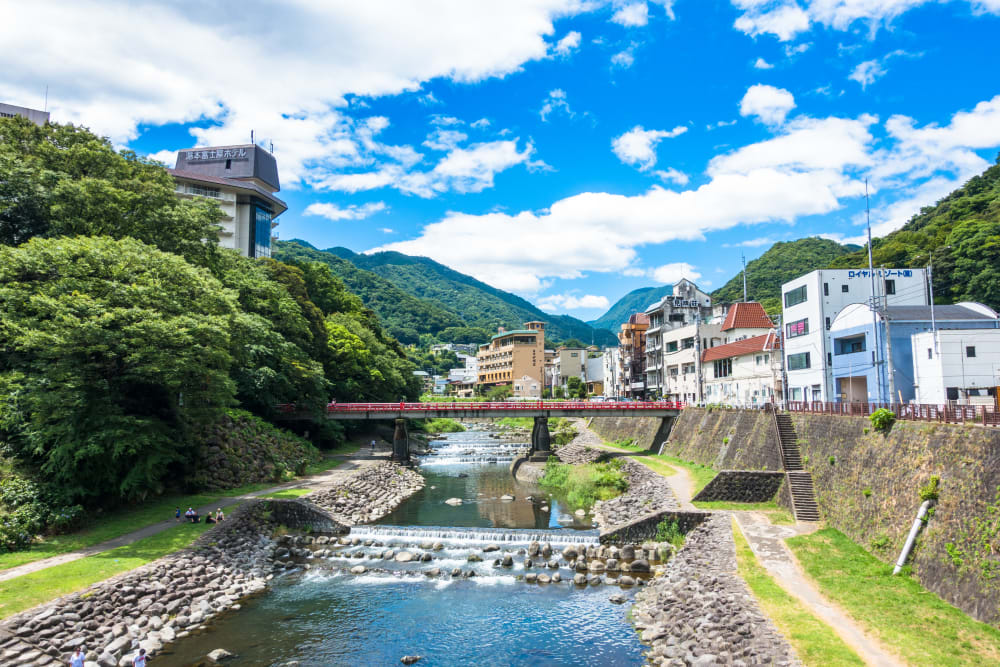
Hakone Onsen is not a single bathhouse. It refers to a collection of hot-spring districts, ryokan and day-use bathing facilities in the mountains of Kanagawa Prefecture, within easy reach of Tokyo. Some visitors come for a quiet soak, others combine hot springs with Lake Ashi, art museums, ropeway rides and Mount Fuji views. This updated guide explains where to bathe, how to get there, etiquette, tattoos, day trips and what to check before booking.
Key Takeaways
Where Is Hakone Onsen?
Hakone lies in the Fuji-Hakone-Izu National Park region of Japan. Hakone-Yumoto is the main railway gateway and a long-established hot-spring town; other bathing areas include Tonosawa, Miyanoshita, Gora, Kowakudani and the Lake Ashi side. The name “Hakone Onsen” therefore covers different water sources, facilities and travel experiences rather than one ticketed attraction. The Odakyu Hakone official area guide provides a useful map of the districts.
Hakone-Yumoto: Best for First-Time Visitors
Hakone-Yumoto is convenient for a short visit because the station, restaurants, souvenir shops, hotels and nearby baths are clustered together. It is a sensible base if you prefer to spend more time soaking and less time transferring between buses. The shopping streets are also worth exploring before or after a bath, but expect busier periods on weekends and holidays.
Gora and Kowakudani: Baths With Mountain Scenery
The Gora area is reached via the Hakone Tozan Railway. Ryokan, hillside scenery and attractions such as Hakone Gora Park make it attractive for an overnight stay. Kowakudani is home to the Hakone Kowakien Yunessun complex, which has separate bathing concepts: a swimsuit-friendly entertainment zone and a traditional no-swimsuit onsen zone. Do not assume the rules or tickets are interchangeable.
Best Ways to Experience Hakone’s Hot Springs
Day-Use Public Baths
Day-use baths let visitors soak without booking a hotel room. Hakone Yuryo, near Hakone-Yumoto, offers communal baths, private-bath options and a free shuttle from the station. Its official website states that restrictions on bathing due to tattoos were lifted on 1 April 2025, although other facility rules still apply. Read Hakone Yuryo’s current visitor information for the latest opening hours, charges, age restrictions and private-room reservations.
Another example is Yunosato Okada, a day-use bath complex in the Yumoto area. The official Hakone transport guide explains access via a local bus and the hotel complex. Day-use admission can be limited at busy times, and not every ryokan accepts walk-in non-guests.
Stay at a Ryokan With an Onsen
An overnight ryokan stay is a good choice for travellers who want dinner, breakfast and a less rushed bathing experience. Before booking, compare whether the rate includes meals, whether baths are shared or private, whether bathing is permitted before check-in, and whether a private bath requires a separate reservation or fee. Rooms with their own open-air tubs can be attractive but are not universal.
Private Baths and Family Options
Some properties offer reservable kashikiri (private) baths, useful for couples, families or guests who prefer privacy. A private bath does not automatically mean that every age group, tattoo policy or swimsuit arrangement is permitted. Confirm the individual property’s rules. The official Yunessun and Mori no Yu listing describes the distinct swimsuit and traditional bathing areas and private-bath options.
Hakone Onsen Etiquette for First-Time Visitors
Most traditional Japanese communal onsen require guests to bathe without swimsuits, separated by gender. Wash thoroughly at the shower stations before entering the communal tub, rinse away soap and keep towels out of the water. Speak quietly, tie back long hair and follow any health or temperature notices. Do not photograph other bathers. Dry yourself before returning to the changing room. The local tourism body’s onsen etiquette guide explains these customs.
Are Tattoos Allowed?
Policies vary by facility. Hakone Yuryo says it removed its tattoo-related bathing restriction in April 2025, but other hotels may prohibit tattoos or permit them only when fully covered by approved stickers. For example, Yumoto Fujiya Hotel’s official bath FAQ describes its own sticker conditions. Do not assume a rule from one bathhouse applies across Hakone. Check the exact property before paying or travelling, especially if you have a large tattoo.
What Should You Bring?
Carry a small towel, a change of clothes, basic toiletries if your facility does not supply them, and a payment method accepted by the bathhouse. Some day-use facilities sell or rent towels, while ryokan often provide them for staying guests. Keep valuables in lockers and stay hydrated. If you have a medical condition that makes heat exposure risky, seek appropriate medical guidance and follow the bath’s posted restrictions.
How to Get to Hakone Onsen From Tokyo
From Shinjuku: Odakyu and Romancecar
The Odakyu route connects Shinjuku with Hakone-Yumoto. A limited-express Romancecar offers reserved seats on direct services; ordinary Odakyu services can involve a transfer at Odawara. Journey times depend on the service and timetable, so check your actual train rather than treating a single estimate as universal. The official Odakyu Hakone guide provides routes and live transport information.
From Tokyo Station: Shinkansen via Odawara
Travellers coming from Tokyo Station or elsewhere on the Tokaido Shinkansen can reach Odawara and change to the Hakone Tozan route toward Hakone-Yumoto. The exact transfer and fare depend on the service. If your goal is only a bath near Hakone-Yumoto, you may not need to ride the full sightseeing loop.
Should You Buy the Hakone Freepass?
The official Hakone Freepass covers specified transport services for two or three days, including designated sections of local trains, buses, cable cars, ropeway and sightseeing cruise. A Romancecar limited-express surcharge is separate. It can be good value when you plan several sightseeing rides, but it may be unnecessary for a simple station-to-onsen visit. Check the current pass prices, eligible routes, weather-related service notices and your departure station before buying.
Things to Do Beyond the Baths
Hakone is rewarding even for travellers who do not want to spend all day in hot water. The Hakone Open-Air Museum combines outdoor sculpture with mountain scenery. The volcanic area around Owakudani offers a different landscape, though volcanic safety and ropeway operations can affect access. Around Lake Ashinoko, sightseeing cruises and lakeside walks are popular; Mount Fuji views depend heavily on weather.
Seasonal travellers can read about Hakone autumn foliage and the Hakone Daimyo Gyoretsu parade. If you are extending a Kanagawa itinerary, Enoshima is a coastal contrast, while Lake Kawaguchi offers another perspective on Mount Fuji but requires separate travel planning.
Hakone Onsen Compared With Other Japanese Hot Springs
Hakone is convenient from Tokyo and has a broad mix of baths and sightseeing. If your priority is a different onsen-town atmosphere, compare Atami Onsen for a seaside hot-spring trip, Shuzenji Onsen for an Izu setting, Kusatsu Onsen for its celebrated hot-spring townscape, and Kinosaki Onsen for a traditional bathhouse-hopping experience. These are separate destinations, not attractions inside Hakone.
One-Day and Overnight Itinerary Ideas
Relaxed Day Trip
Arrive at Hakone-Yumoto in the morning, browse the shopping streets, enjoy a reserved or walk-in day bath according to the facility’s rules, then have lunch and return to Tokyo. This avoids spending much of the day in transit between mountain attractions.
One Night With Sightseeing
On day one, travel to Hakone, visit an art museum or Gora, then check into a ryokan for an evening bath and meal. On day two, explore Lake Ashi or Owakudani if transport and weather allow, then return via Odawara. Book accommodation and private baths ahead for busy weekends and peak foliage season.
Frequently Asked Questions
Is Hakone Onsen one specific place?
No. It refers to a wider hot-spring region containing numerous baths and ryokan across Hakone.
Can I enjoy an onsen without staying overnight?
Yes. Several day-use facilities accept visitors, but opening hours, admission and availability vary by property.
Do I need a swimsuit?
Usually not for traditional communal baths; many prohibit swimsuits. Some themed facilities have separate swimsuit areas. Always check your selected facility.
Is Hakone worth visiting without a view of Mount Fuji?
Yes. Hot springs, museums, local food and the mountain landscape remain appealing even when clouds obscure the mountain.
Where should I stay for a first trip?
Hakone-Yumoto is convenient for transport and a short visit; Gora and other districts may suit travellers seeking a more secluded ryokan stay.
Official Sources and Further Reading
Check the official Hakone destination guide, Freepass conditions, Hakone Yuryo’s current bath rules, the Hakone onsen etiquette guide and the original JNTO destination source before travel. Schedules, bath rules and prices may change.
Address And Maps Location:
Hakone-machi, Ashigarashimo-gun, Kanagawa-ken
Find Location And Direction On Google Maps
Subscribe, follow travelbloggerindonesia.com