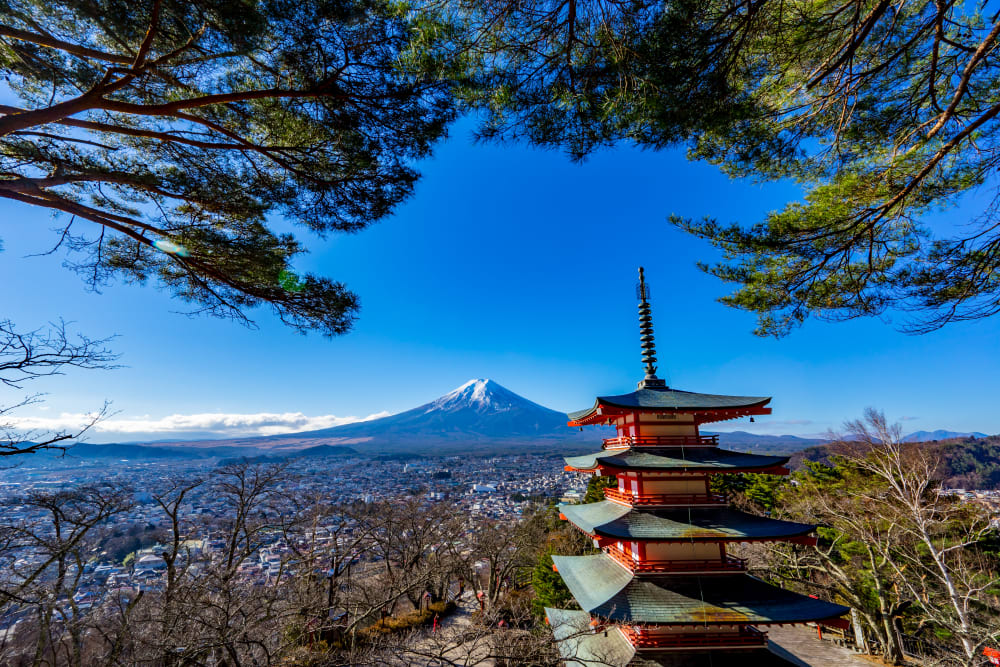
Arakurayama Sengen Park is one of Japan’s most recognisable Mount Fuji viewpoints. Its celebrated composition combines the red five-storey Chureito Pagoda, cherry blossoms and the distant mountain above Fujiyoshida city. The view is beautiful but not effortless: reaching the observation deck involves a substantial climb, and Mount Fuji may be hidden by clouds even on a sunny day. This guide covers transport, the 398 steps, seasons and photography etiquette.

Key Takeaways
Arakurayama Sengen Park: Visitor Essentials
- Location: Arakura, Fujiyoshida, Yamanashi Prefecture, Japan.
- Main attraction: Chureito Pagoda and the elevated Mount Fuji observation viewpoint.
- Admission: The park and viewpoint are generally free.
- Steps: Approximately 398 steps lead to the main viewpoint area.
- Opening: The park is generally accessible around the clock, though specific facilities and event access can differ.
- Nearest rail connection: Shimoyoshida Station on the Fujikyuko Line.
- Best timing: Early morning when skies are clearer, with no guarantee of Fuji visibility.
Why Chureito Pagoda Is Famous
A postcard scene with a memorial history
Chureito looks like a traditional pagoda, but it is also a war memorial built to commemorate people from Fujiyoshida who died in conflicts. The surrounding shrine and park have their own history. Visitors should treat the pagoda respectfully rather than as a prop.
The view over Fujiyoshida and Mount Fuji
After climbing, visitors reach an observation area with the pagoda, town and Mount Fuji aligned. The famous mountain may disappear entirely under cloud or haze. For other views of the mountain, see Lake Kawaguchi and Mt. Fuji Panoramic Ropeway.

How to Get There
Train to Shimoyoshida
The closest commonly used train station is Shimoyoshida on the Fujikyuko Railway. The official local tourism site describes around a 25-minute walk to the pagoda area, including an uphill approach. The exact time depends on fitness, weather and crowds.
Travelling from Tokyo
From Tokyo, travel to the Fuji Five Lakes region by highway bus or train routes via Otsuki and Fujikyuko services. This can be combined with a broader day around Oshino Hakkai or Fuji-Q Highland, but don’t try to fit several long stops into a short winter day.
Driving and parking
Parking availability and pricing may change during cherry blossom season. Official local tourism information notes that some parking becomes paid during the spring event, and crowd restrictions may affect vehicle access. Avoid parking on residential streets.
Climbing the 398 Steps
How difficult is it?
The ascent involves hundreds of steps and can feel strenuous in heat, rain or snow. Wear supportive shoes, allow rest breaks and consider whether all members of your group are comfortable with stair climbing. The famous observation deck is not a level, step-free viewpoint from the station.
Photography and crowd etiquette
Stay within official viewing spaces and follow staff directions in peak seasons. Do not climb fences or hold up the queue for prolonged photo sessions. Tripods may be restricted at busy times; check current local notices.

Best Time to Visit
Spring cherry blossoms
More than 650 cherry trees add pink blossoms to the pagoda scene when flowering conditions align. The peak is variable and often draws very large crowds. Specific festival arrangements change annually; do not rely on a fixed cherry blossom date from older articles.
Summer and autumn
Summer brings lush greenery but also clouds around Fuji and warmer temperatures. Autumn can provide attractive foliage, often with more comfortable hiking weather. A visit to Fuji Shibazakura Festival is another seasonal Fuji-area option, but it is in a different location and season.
Winter’s clear skies
Cold winter days can offer exceptional mountain visibility. Ice or snow on stairs creates hazards, however, and sunrise photography requires warm clothing and care on dim steps. For mountain-climbing guidance, consult the Mount Fuji Yoshida Trail separately; the park is not a climbing route.
Half-Day Fuji-Area Itinerary
Morning: Chureito Pagoda
Arrive early, take the climb and enjoy the scenery. Don’t rush the steps, especially with children or senior travellers. Visit the shrine respectfully and photograph the surroundings from designated paths.
Midday: Kawaguchiko area
Continue toward Lake Kawaguchi for lunch and lakeside viewpoints. If the weather is poor, indoor culture around Itchiku Kubota Art Museum may be a better choice than chasing mountain views.
Another day: more regional heritage
Consider Kitaguchi Hongu Fuji Sengen Shrine, Fujisan World Heritage Center and Yamanashi Prefectural Museum of Art as separate attractions requiring transport and enough time.

More Mount Fuji and Japan Travel Ideas
For outdoor scenery, explore Fuji Subaru Line Fifth Station, Fujisan Hongu Sengen Taisha and Shiraito Falls. These are not adjacent to Arakurayama Sengen Park, so group them by route rather than assuming a short walking distance.
Visitors seeking cultural festivals can learn about the Yoshida Fire Festival; motorsport enthusiasts may enjoy Fuji Speedway on a separate trip.
Frequently Asked Questions
Is Arakurayama Sengen Park free?
Yes, general park and viewpoint access is free, although paid parking or special arrangements can apply.
How many steps lead to Chureito Pagoda?
There are approximately 398 steps on the main approach.
Can you always see Mount Fuji?
No. Clouds and haze can completely obscure the mountain.
How long should I allow?
Allow at least one to two hours including the approach, climb, photographs and descent.
Official Sources
- Fujiyoshida Tourism — official Chureito Pagoda information
- Fujiyoshida Tourism — walking route from Shimoyoshida Station
- Yamanashi Fujisan Prefecture — park access and heritage
Find Location And Direction On Google Maps
More Japan travel guides at Travel Blogger Indonesia. Updated October 2026.