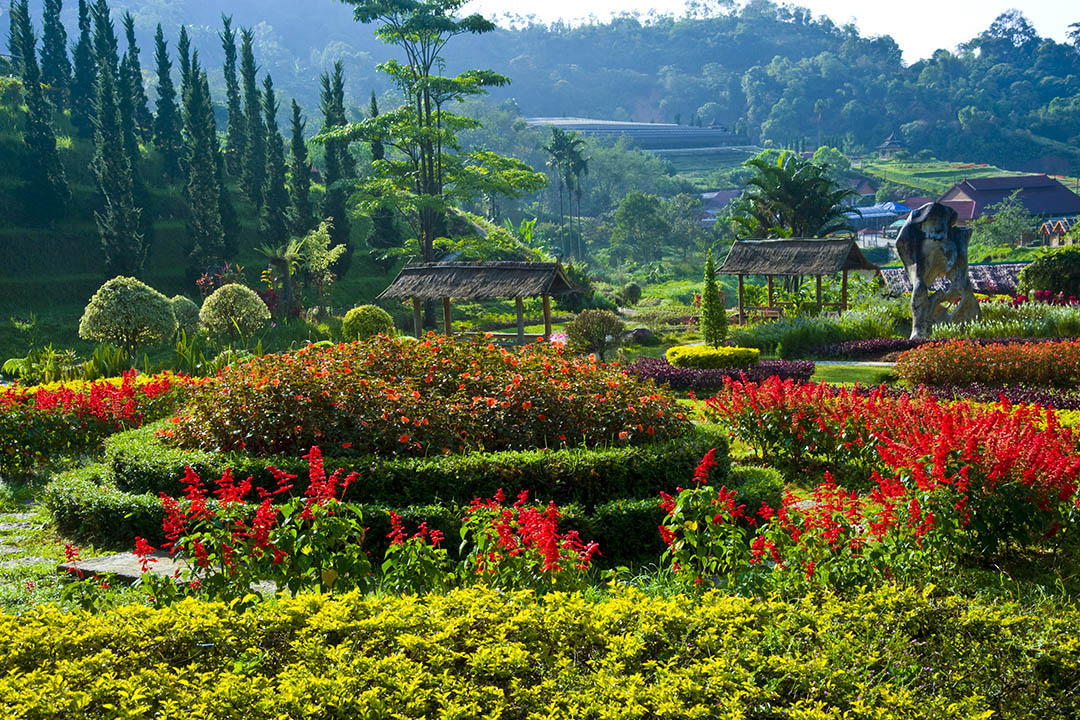
Exploring the Floral Gardens of Cold Climates: A Haven for Unique Blossoms
—
Key Takeaways
Introduction to Cold Climate Floral Gardens
Nestled in regions where the air remains crisp and the temperatures rarely climb beyond a comfortable coolness, cold climate floral gardens offer a spectacular display of nature’s resilience and beauty. These gardens, home to a diverse array of flowers that thrive only in chilly environments, provide a unique opportunity to witness the splendor of floral species that are otherwise unsuited to warmer climes.
—
The Charm of Cold Climate Flowers
Cold climate flowers are a testament to nature’s adaptability. These blossoms, ranging from delicate alpine blooms to robust perennials, are uniquely suited to withstand harsh conditions. The cool temperatures and shorter growing seasons compel these plants to develop distinct features that enable their survival and proliferation. For instance, many cold climate flowers have evolved to have thicker leaves to conserve water and energy, vibrant colors to attract the limited number of pollinators, and a shorter blooming period to make the most of the brief summer months.
Understanding the Floral Diversity
The diversity within cold climate gardens is astounding. Species such as the Edelweiss, known for its star-shaped blooms and symbolic representation of the Alps, and the Arctic poppy, which thrives in rocky, nutrient-poor soils, exemplify the adaptability of these plants. Moreover, the presence of various species like the Siberian iris and the Himalayan blue poppy further enriches the tapestry of colors and shapes found within these gardens.
—
Cultivation Techniques for Cold Climate Gardens
The cultivation of cold climate gardens requires a nuanced understanding of the specific needs of these resilient plants. Gardeners must carefully manage soil composition, ensuring it is well-drained yet capable of retaining the necessary nutrients. Mulching is often employed to protect plant roots from freezing temperatures, while strategic positioning of plants can shield them from harsh winds.
The Role of Microclimates
Creating microclimates within a garden is a common strategy employed by gardeners to enhance the growing conditions for cold climate flowers. By utilizing natural features such as rocks or constructing windbreaks, gardeners can create pockets of warmth and shelter, allowing a greater variety of species to flourish.
—
The Impact of Climate Change on Cold Climate Gardens
As global temperatures continue to rise, the delicate balance required for the survival of cold climate flowers is increasingly threatened. Changes in temperature and precipitation patterns can disrupt the growth cycles of these plants, leading to shifts in their blooming periods and, in some cases, threatening their survival.
Adapting to a Changing World
Gardeners and botanists are actively researching and implementing strategies to mitigate the effects of climate change on cold climate gardens. These include breeding programs aimed at developing more resilient plant varieties, as well as exploring alternative cultivation techniques that can better support these plants in a warming world.
—
Conclusion: The Future of Cold Climate Floral Gardens
Cold climate floral gardens stand as a beautiful reminder of nature’s ability to adapt and thrive in challenging environments. As stewards of these natural wonders, it is imperative that we continue to protect and nurture these gardens, ensuring that future generations can experience the unique beauty and diversity they offer. Through innovative gardening practices and a commitment to sustainability, we can safeguard these floral havens against the challenges posed by a changing climate.
—
In conclusion, cold climate floral gardens are not only a feast for the eyes but also a testament to the resilience and adaptability of nature. By understanding the specific needs of these gardens and the challenges they face, we can ensure their continued existence and appreciate the unique beauty they bring to the world.
Address And Location:
Tano Maero Betong Yala 95110