Key Takeaways
Introduction to the Shelly Limestone Formation
Geological Origins
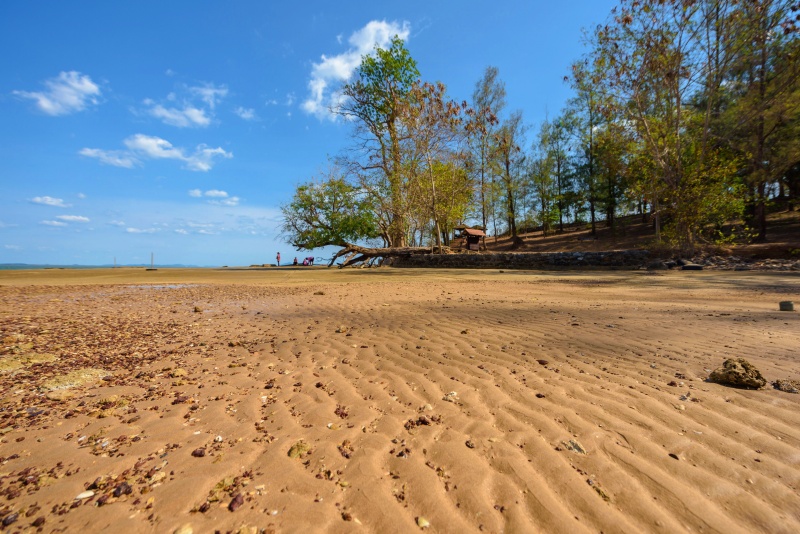
A remarkable geological formation along the coast of Tale Baan Lam Pho, located just 15 kilometers from the city, showcases a fascinating natural history. This unique beach, appearing as a stone plate extending into the sea, is not composed of ordinary rock. Instead, it is formed from fossilized shells of ancient shellfish that have been compressed over millions of years, creating a stone-like appearance.
Historical Timeline
Dating back approximately 40 million years, the shells found in this area reveal a rich history of environmental changes. Originally, the region was a freshwater habitat teeming with diverse shellfish. However, a significant tectonic shift occurred, altering the landscape dramatically. This tectonic activity allowed saltwater to flood the area, initiating a chemical reaction that fused the shells together. The result was the formation of what is now known as Shelly Limestone, a unique geological feature approximately 40 centimeters thick.
Tectonic Activity and Fossil Discovery
Further tectonic movements raised the land, exposing these fossils to the surface. The fascinating natural history of this beach is now accessible to visitors, offering an opportunity to witness the remnants of an ancient ecosystem. This geological narrative underscores the dynamic nature of Earth’s crust and the powerful forces that shape our environment over millennia.
Detailed Exploration of the Shelly Limestone
Formation Process
The Shelly Limestone formation is a testament to the complex interplay of biological and geological processes. Initially, the area was a thriving freshwater ecosystem, home to various shellfish species. As these organisms died, their shells accumulated on the lakebed. Over millions of years, layers of shells built up, creating a thick deposit.
The tectonic shift that introduced saltwater was a pivotal moment in the formation’s history. The saline environment triggered a chemical reaction with the calcium carbonate in the shells, cementing them together. This process, known as lithification, transformed the shell deposit into a solid, stone-like structure.
Geological Significance
The Shelly Limestone is not only a geological marvel but also a valuable window into the past. By studying the formation, scientists can glean insights into the ancient climate, ecosystem, and tectonic activity. The presence of such a well-preserved fossil record is rare and offers a unique opportunity for research and education.
Current Research and Discoveries
Ongoing research at the site continues to reveal new information about the region’s geological history. Paleontologists and geologists are particularly interested in the variety of shellfish fossils, which provide clues about the biodiversity of the ancient environment. Additionally, the formation offers insights into the processes of fossilization and limestone formation, contributing to our broader understanding of Earth’s geological history.
The Impact of Tectonic Activity
Understanding Tectonic Shifts
Tectonic activity plays a crucial role in shaping the Earth’s surface. The movements of tectonic plates can cause dramatic changes in the landscape, as evidenced by the formation of the Shelly Limestone. In this region, the shift that introduced saltwater was a key event in the area’s geological history.
Effects on the Ecosystem
The transition from a freshwater to a saltwater environment had significant implications for the ecosystem. Many freshwater species would have struggled to survive in the new conditions, leading to changes in biodiversity. The formation of Shelly Limestone is a direct result of these environmental changes, preserving the remnants of the past ecosystem.
Broader Implications for Earth Science
Studying such geological formations helps scientists understand the processes that have shaped our planet over millions of years. The insights gained from the Shelly Limestone formation contribute to our knowledge of tectonic activity, fossilization, and environmental change, highlighting the interconnectedness of Earth’s systems.
Visiting the Shelly Limestone Beach
Location and Accessibility
Located just 15 kilometers from the city, the Shelly Limestone beach at Tale Baan Lam Pho is an accessible destination for those interested in geology and natural history. The site offers a unique opportunity to explore a rare geological formation and learn about the Earth’s ancient past.
Educational Opportunities
Visitors to the site can gain a deeper understanding of geological processes and the history of the Earth. Informational displays and guided tours provide context and insights into the significance of the formation. For students and educators, the site serves as a valuable educational resource, illustrating key concepts in Earth science.
Preservation and Conservation
Efforts are underway to preserve the site and its unique geological features. Conservation initiatives aim to protect the formation from erosion and human impact, ensuring that future generations can continue to study and appreciate this natural wonder. By promoting sustainable tourism and education, the site can be enjoyed responsibly while maintaining its scientific and historical value.
Conclusion
The Shelly Limestone formation at Tale Baan Lam Pho is a remarkable testament to the dynamic processes that shape our planet. From its origins as a freshwater ecosystem to its transformation into a fossil-rich limestone beach, the site offers a unique glimpse into Earth’s geological history. Through ongoing research and conservation efforts, this natural wonder continues to provide valuable insights into the past and inspire appreciation for the intricate workings of our planet.
Address And Location:
Moo 6 Sai Thai Mueang Krabi Krabi 81000