Key Takeaways
The Legend and Historical Significance of Wat Nang Sao
Introduction
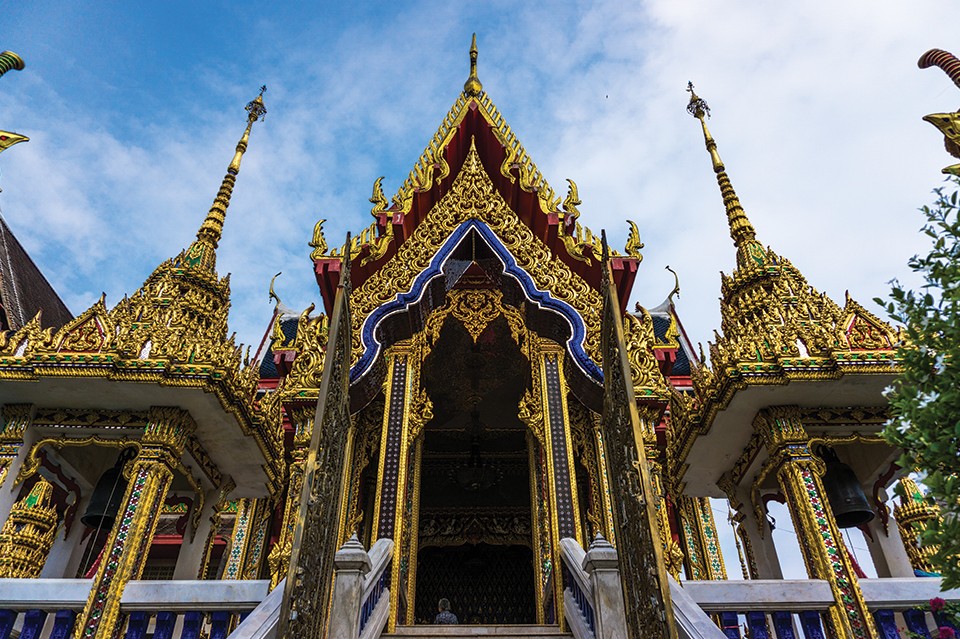
Wat Nang Sao, a temple steeped in history and legend, stands as a testament to the resilience and cultural heritage of the Ayutthaya period in thailand. This ancient temple not only showcases architectural beauty but also narrates a compelling story of survival and faith. This document aims to explore the fascinating legend associated with Wat Nang Sao, its architectural features, and its cultural significance.
The Legend of Wat Nang Sao
A Promise Amidst Conflict
According to local legend, the origins of Wat Nang Sao are deeply intertwined with a promise made during a turbulent period in Thai history. During the Ayutthaya period, when Ayutthaya was embroiled in conflict with Burma, many people were forced to flee their homes to escape the violence. In the midst of this chaos, two sisters sought refuge in a sacred prayer room within the temple grounds. It was here that they made a solemn vow: if they survived the conflict, they would renovate and rebuild the temple.
Survival and Fulfillment of the Vow
Miraculously, the sisters survived as Ayutthaya’s enemies were eventually defeated. True to their promise, they dedicated their efforts to restoring the temple. This act of devotion and gratitude not only preserved the temple but also cemented its place in local lore. The story of the sisters’ promise and its fulfillment has been passed down through generations, adding a layer of mystique to the temple’s history.
Architectural Features of Wat Nang Sao
The Brick Ordination Hall
One of the most significant architectural features of Wat Nang Sao is its brick ordination hall, known as Bot MahaUt. The hall is distinguished by its curved base and single entrance, reflecting the ancient architectural style of the period. The use of bricks and terracotta tiles in its construction not only adds to its aesthetic appeal but also speaks to the craftsmanship of the era.
The Terracotta Roof and Sandstone Markers
The terracotta tiled roof, supported by beams made of logs, is a prominent feature of the temple. This traditional roofing technique enhances the temple’s authentic feel and adds to its historical charm. Additionally, the temple is surrounded by twin sandstone boundary markers, which further emphasize its architectural significance.
Cultural and Natural Significance
The Fish Sanctuary
Located in front of the temple and adjacent to the Tha Chin River is a fish sanctuary, home to a thriving population of striped catfish. This sanctuary is a popular attraction for visitors who come to feed the fish and experience the serene environment. The presence of the sanctuary not only adds to the temple’s allure but also highlights the harmonious relationship between cultural heritage and natural beauty.
Visiting Wat Nang Sao
Location and Accessibility
Wat Nang Sao is situated in Tambon Tha Mai. To reach the temple, visitors can take Highway No. 35 (Thon Buri-Pak Tho) to Highway No. 3091 for approximately 5 kilometers and then turn left into Soi Wat Nang Sao 2 for 1 kilometer. The temple is open daily from 6:00 am to 5:00 pm, making it accessible to both local and international tourists.
Conclusion
Wat Nang Sao is more than just a religious site; it is a symbol of resilience, faith, and cultural heritage. The legend of the two sisters and their promise, coupled with the temple’s architectural features and natural surroundings, make it a significant historical and cultural landmark. As visitors explore Wat Nang Sao, they are not only witnessing a piece of history but also participating in the ongoing narrative of a community’s enduring spirit.
Address And Location:
Tha Mai Krathum Baen Samut Sakhon 74110