Certainly! Let’s start by rewriting the provided paragraph in a unique way and then expand it into a detailed, formal piece with subheadings.
Key Takeaways
Unique Rewrite
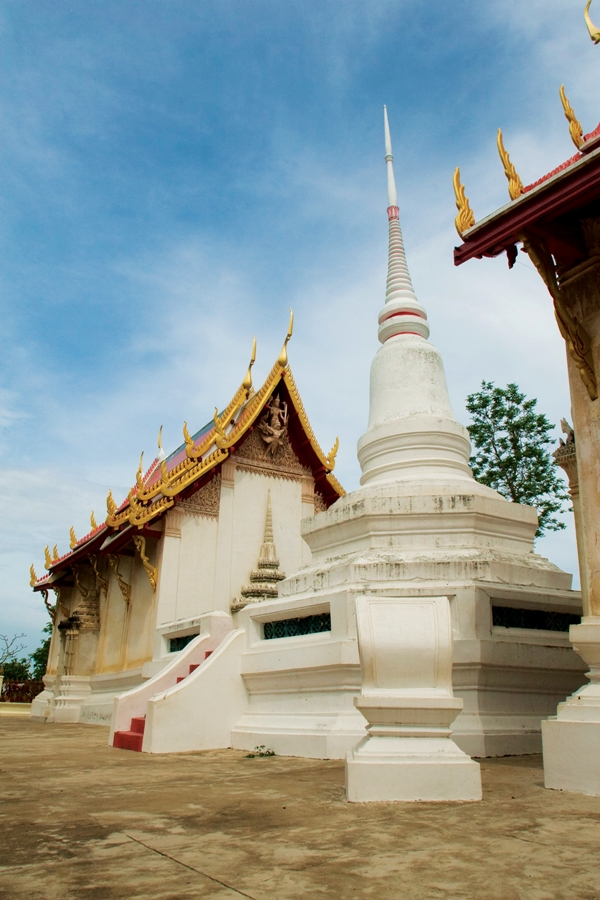
Nestled atop a 121-meter hill, this historic temple originates from the Ayutthaya era. Situated 2 kilometers south of Khao Wang, the temple stands out with its exquisite and distinctive art adorning the ubosot, or the Buddhist ordination hall. The site also boasts several remarkable natural attractions, including caves filled with hundreds of Buddha statues, featuring a colossal reclining Buddha that stretches 14 meters in length. The temple welcomes visitors from 6 am to 6 pm. More information can be found at Tourism thailand.
—
The Ancient Temple of Ayutthaya: A Journey Through Time
This article delves into the magnificence and historical significance of the ancient temple built during the Ayutthaya period. This sacred site, perched on a hill, offers not only religious enrichment but also a visual treat with its breathtaking art and natural wonders.
Historical Context of the Ayutthaya Period
The Ayutthaya period, which spanned from 1351 to 1767, was a golden era in Thai history, marked by a flourishing of culture, art, and religion. The temple in question is a testament to this rich cultural heritage. During this time, Ayutthaya was known for its grandeur and strategic position as a trade center, attracting influences from neighboring regions that enriched its architectural styles.
Architecturally, the temples built in this period reflect a harmonious blend of various influences, including Khmer, Sri Lankan, and Sukhothai styles. This fusion is evident in the intricate carvings, stupas, and detailed murals. The temple we focus on not only stands as a religious monument but also as a symbol of the era’s artistic prowess.
The Architectural Marvel: Ubosot and Its Unique Art
At the heart of the temple complex is the ubosot, or the ordination hall. This sacred space is where important monastic ceremonies are conducted. The ubosot is renowned for its exquisite artistry, showcasing intricate murals and sculptures that depict scenes from Buddhist mythology and the life of the Buddha.
The unique art of the ubosot is characterized by its detailed and vibrant murals, which are painstakingly crafted to convey deep spiritual narratives. These murals serve not only as decorative elements but also as educational tools, illustrating the teachings of Buddhism to devotees and visitors alike.
In addition to the murals, the ubosot houses several statues and carvings, each with its own symbolic significance. These works of art are crafted with meticulous attention to detail, reflecting the craftsmanship and devotion of the artisans of the Ayutthaya period.
Natural Wonders and Spiritual Significance
Beyond its architectural splendor, the temple is enveloped by natural attractions that add to its allure. The caves surrounding the temple are home to hundreds of Buddha images, creating a serene and contemplative atmosphere for visitors.
Among these images, the most striking is the giant reclining Buddha, which measures an impressive 14 meters in length. This statue is a powerful symbol of peace and enlightenment, inviting reflection and meditation. The reclining posture represents the Buddha in his final moments of life, entering Nirvana, and it serves as a reminder of the impermanence of life and the pursuit of spiritual liberation.
The natural setting of the temple, with its lush greenery and tranquil ambiance, provides a perfect backdrop for spiritual contemplation and introspection. The fusion of natural beauty and spiritual significance makes this temple a unique destination for pilgrims and tourists alike.
Visiting the Temple: Practical Information
For those planning to visit, the temple is conveniently located 2 kilometers south of Khao Wang. It is accessible by various means of transportation, making it a popular destination for both local and international visitors.
The temple is open to the public from 6 am to 6 pm, allowing ample time for exploration and meditation. Visitors are encouraged to respect the sacredness of the site and adhere to local customs and traditions. Modest attire is recommended, and it is customary to remove shoes before entering the ubosot and other sacred areas.
Conclusion
In conclusion, the ancient temple from the Ayutthaya period is not just a religious site but a cultural and historical treasure. Its architectural beauty, coupled with the natural wonders surrounding it, offers a unique experience that transcends time. Whether you are a history enthusiast, an art lover, or a spiritual seeker, this temple provides a profound journey into Thailand’s rich cultural heritage.
For more information, visit Tourism Thailand.
This structured and detailed account should provide a comprehensive understanding of the temple’s historical significance, architectural beauty, and spiritual allure, making it a must-visit destination for anyone exploring the cultural landscapes of Thailand.
Address And Location:
Bandai It Road Rai Som Mueang Phetchaburi Phetchaburi 76000