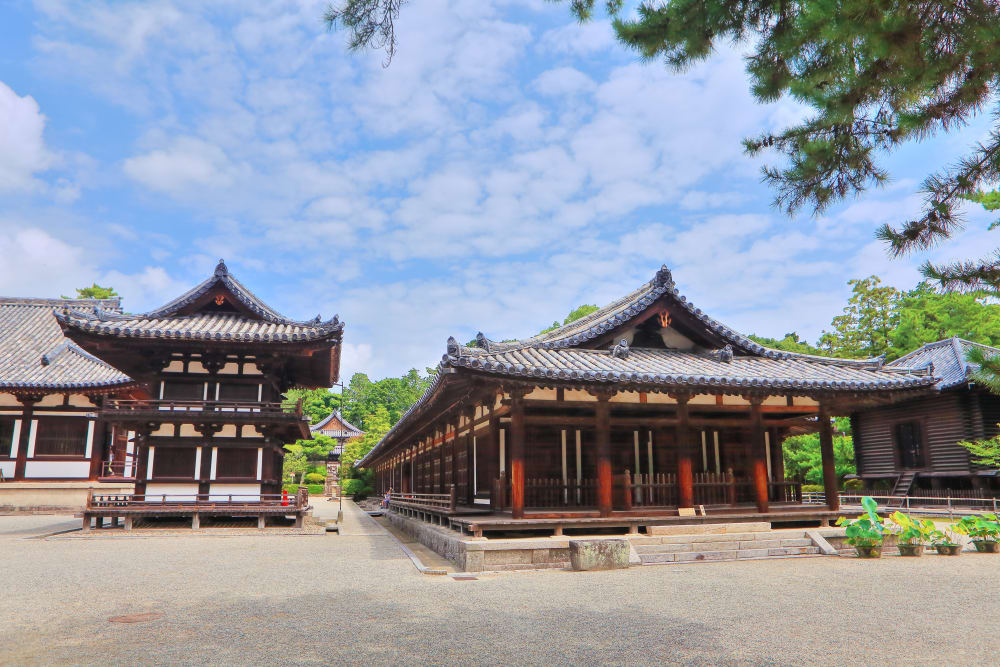
A vital part of Nara’s history
Nara, located in the Kansai region of japan, is a city steeped in history and culture. One of the most important historical sites in Nara is Toshodaiji Temple. This temple holds a significant place in the history of Japanese Buddhism and is home to several important ancient statues. The temple is not only a religious site but also a symbol of the rich cultural heritage of Nara.
Resembling Greek architecture
One of the striking features of Toshodaiji Temple is its main hall, which bears a passing resemblance to the Greek Parthenon. The architectural style of the main hall is quite unusual for a Japanese temple, as it incorporates elements of Greek architecture. This unique design has made Toshodaiji Temple stand out among other Buddhist temples in Japan.
The main hall of Toshodaiji Temple was constructed using a technique called “entasis.” This technique involves subtle curves and tapering in the columns and walls to create an optical illusion of straight lines. The use of entasis in the main hall gives it a grand and majestic appearance, similar to that of the Parthenon.
Don’t miss the Buddhist statues
Aside from its architectural beauty, Toshodaiji Temple is also known for its collection of ancient Buddhist statues. One of the most notable statues in the temple is the 1,000-armed Senju Kannon. This statue is considered the oldest wooden statue in Japan and holds great religious and historical significance.
The Senju Kannon is a representation of Avalokitesvara, the Bodhisattva of Compassion. The statue is adorned with a thousand arms, each holding a different symbolic object. It is believed that the Senju Kannon has the power to grant wishes and bring about spiritual enlightenment to those who worship it.
In addition to the Senju Kannon, Toshodaiji Temple also houses statues of the Rushana Buddha and Medicine Buddha. These statues, along with the Senju Kannon, are designated as National Treasures of Japan. They are highly valued for their artistic and historical importance.
Visiting Toshodaiji Temple
Toshodaiji Temple is easily accessible and can be reached within a 10-minute walk from Nishinokyo Station on the Kintetsu line. The temple is open to the public, and visitors can explore the main hall and other buildings on the temple grounds.
When visiting Toshodaiji Temple, it is recommended to take your time and appreciate the intricate details of the architecture and the beauty of the Buddhist statues. The serene atmosphere of the temple grounds provides a peaceful and contemplative environment for visitors to connect with their spiritual side.
Toshodaiji Temple in Japanese history
Toshodaiji Temple has played a vital role in the history of Japanese Buddhism. It was founded in the year 759 by the Buddhist monk Ganjin, who traveled from China to Japan to spread the teachings of Buddhism. Ganjin was instrumental in introducing the Ritsu sect of Buddhism to Japan, and Toshodaiji Temple became one of the major centers for the sect.
The establishment of Toshodaiji Temple marked a significant milestone in the development of Buddhism in Japan. The temple became a place of learning and attracted many scholars and monks from all over the country. It became an important hub for the exchange of knowledge and the dissemination of Buddhist teachings.
Throughout its history, Toshodaiji Temple has faced various challenges, including fires and natural disasters. However, it has always been rebuilt and restored to its former glory. The temple’s resilience and enduring presence symbolize the strength and perseverance of the Buddhist faith in Japan.
Toshodaiji Temple as a World Heritage Site
In recognition of its historical and cultural significance, Toshodaiji Temple was designated as a UNESCO World Heritage Site in 1998. This prestigious recognition highlights the temple’s importance not only within Japan but also on a global scale.
As a World Heritage Site, Toshodaiji Temple attracts tourists and history enthusiasts from all over the world. Visitors come to marvel at the unique architectural style, appreciate the ancient Buddhist statues, and immerse themselves in the spiritual ambiance of the temple.
Recommended for You
If you are interested in exploring more of Nara’s cultural heritage, there are other temples and shrines worth visiting. Yakushiji Temple is another prominent Buddhist temple in Nara that showcases exquisite architecture and ancient Buddhist art.
Saidaiji Temple is also worth a visit. This temple is known for its grand pagoda, which is one of the tallest wooden pagodas in Japan. The pagoda is a testament to the architectural prowess of ancient Japanese craftsmen.
Conclusion
Toshodaiji Temple is a significant historical and cultural site in Nara, Japan. Its unique architectural style, resembling Greek architecture, and its collection of ancient Buddhist statues make it a must-visit destination for anyone interested in Japanese history and culture.
The temple’s rich history, its role in the development of Japanese Buddhism, and its designation as a World Heritage Site all contribute to its importance and allure. A visit to Toshodaiji Temple offers a glimpse into the past and provides an opportunity for spiritual reflection and appreciation of Japan’s cultural heritage.
Whether you are a history enthusiast, a spiritual seeker, or simply a curious traveler, Toshodaiji Temple is sure to leave a lasting impression. Its grandeur, tranquility, and cultural significance make it a truly unforgettable experience.
Address And Maps Location:
13-46 Gojo-cho, Nara-shi, Nara-ken
Find Location And Direction On Google Maps
Subscribe, follow travelbloggerindonesia.com