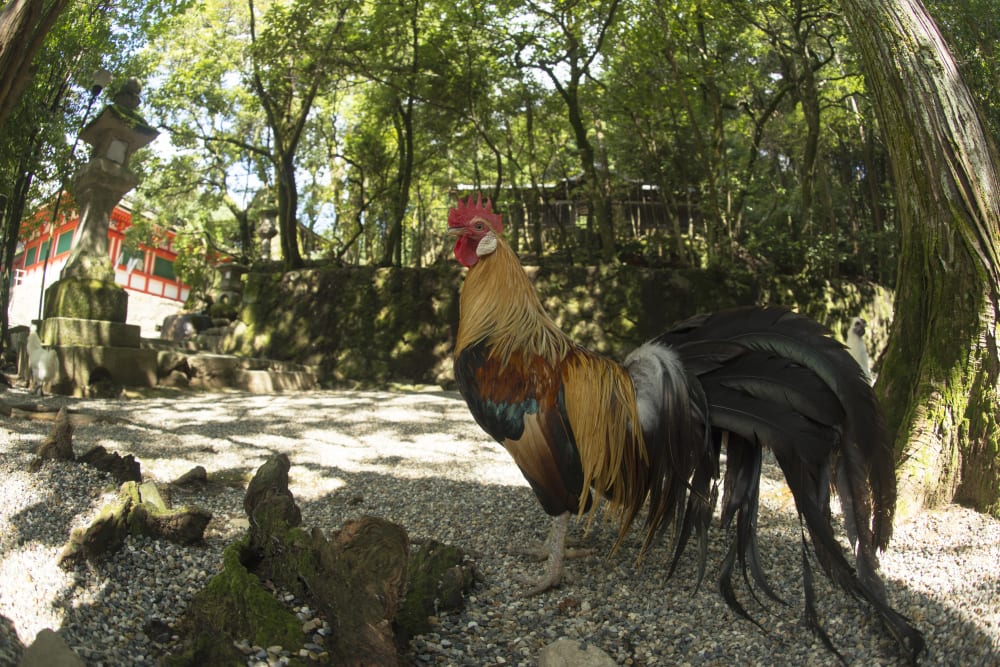
Shrines and temples are an integral part of japan‘s rich cultural heritage. These sacred sites serve as a place of worship, reflection, and contemplation for the Japanese people. One such shrine that holds great significance is the Isonokami-jingu Shrine, located in Furu-cho, Tenri-shi, Nara-ken.
Heading 2: Isonokami-jingu Shrine – A Glimpse into Japan’s Ancient History
Isonokami-jingu Shrine is a Shinto shrine that dates back to the 7th century and is considered one of the oldest and most important shrines in Japan. It holds deep historical and cultural significance and is dedicated to the deity Wakumusubi-no-kami, who is believed to bring good fortune and prosperity.
Heading 3: History of Isonokami-jingu Shrine
The history of Isonokami-jingu Shrine can be traced back to the Asuka period (538-710), a time when Buddhism and Shintoism coexisted in Japan. It was during this period that the shrine was established as a place of worship for the imperial family. Over the centuries, the shrine has undergone several renovations and expansions, but its core essence and spiritual significance have remained intact.
Heading 3: Architectural Marvels of Isonokami-jingu Shrine
The architecture of Isonokami-jingu Shrine is a testament to the skill and craftsmanship of ancient Japanese artisans. The shrine is built in the traditional Shinto style, characterized by its distinctive gabled roofs and wooden structures. The main hall, known as the honden, is the most important building in the shrine complex and houses the sacred objects and artifacts.
Heading 3: Sacred Rituals and Festivals at Isonokami-jingu Shrine
Isonokami-jingu Shrine is a place where various sacred rituals and festivals take place throughout the year. One such festival is the Sanno Festival, held annually in June, which attracts thousands of visitors from all over Japan. During this festival, the shrine is adorned with colorful decorations, and traditional dances and music performances are held to honor the deity.
Heading 2: Kimiidera Temple – A Spiritual Haven in Wakayama
Kimiidera Temple is a Buddhist temple located in Wakayama, Japan. It is known for its stunning architecture, picturesque surroundings, and serene atmosphere. The temple offers visitors a chance to experience tranquility and spiritual enlightenment in the midst of nature.
Heading 3: History and Significance of Kimiidera Temple
Kimiidera Temple has a long and rich history that dates back to the 8th century. It was founded by the Buddhist monk Gyoki and is dedicated to the bodhisattva Kannon, the goddess of mercy. The temple has played a significant role in spreading Buddhism in the region and has been a place of pilgrimage for centuries.
Heading 3: Architectural Marvels of Kimiidera Temple
The architecture of Kimiidera Temple is a blend of Japanese and Chinese influences, reflecting the cultural exchange between the two countries during ancient times. The main hall, known as the Kannon-do, is a magnificent structure that houses a statue of Kannon and offers panoramic views of the surrounding landscape. The temple also features a five-storied pagoda, which is a symbol of Buddhism and represents the five elements.
Heading 3: Spiritual Practices and Cultural Activities at Kimiidera Temple
Kimiidera Temple offers a range of spiritual practices and cultural activities for visitors to engage in. One can participate in meditation sessions, learn about Buddhist teachings, or simply enjoy the peaceful ambiance of the temple grounds. The temple also hosts various events and festivals throughout the year, such as the cherry blossom viewing in spring and the autumn foliage viewing in fall.
Heading 2: Exploring Nara – A Journey through Japan’s Ancient Capital
Nara, located in the Kansai region of Japan, was once the capital of the country and is home to several historical and cultural landmarks. From ancient temples to majestic shrines, Nara offers a glimpse into Japan’s rich past and is a must-visit destination for history enthusiasts.
Heading 3: Historical Significance of Nara
Nara holds great historical significance as it was the capital of Japan from 710 to 784. During this period, the city flourished as the center of politics, culture, and religion. Many of the city’s iconic landmarks were built during this time and continue to be revered as symbols of Japan’s ancient heritage.
Heading 3: Temples and Shrines in Nara
Nara is famous for its temples and shrines, which are scattered throughout the city. One of the most prominent temples is Todai-ji, a UNESCO World Heritage site and home to the Great Buddha statue, one of the largest bronze statues in the world. Another notable shrine is Kasuga Taisha, known for its beautiful vermilion-colored buildings and thousands of stone lanterns.
Heading 3: Cultural Traditions and Festivals in Nara
Nara is known for its rich cultural traditions and vibrant festivals. One such festival is the Omizutori, held annually at the Todai-ji Temple in March. This festival involves a series of sacred rituals and fire ceremonies, attracting thousands of visitors from all over Japan. The Nara Toka-e, or the Nara Lantern Festival, is another popular event that takes place in August and features beautifully illuminated lanterns.
Heading 2: Conclusion
Shrines and temples play a vital role in preserving Japan’s cultural heritage and providing a spiritual sanctuary for its people. The Isonokami-jingu Shrine, Kimiidera Temple, and the numerous temples and shrines in Nara are just a few examples of the rich history and architectural marvels that await visitors in Japan. Exploring these sacred sites not only offers a glimpse into Japan’s ancient past but also provides a deeper understanding of its traditions and beliefs. Whether you seek spiritual enlightenment or simply wish to immerse yourself in Japan’s cultural tapestry, these sacred sites offer a truly transformative experience.
Address And Maps Location:
384 Furu-cho, Tenri-shi, Nara-ken
Find Location And Direction On Google Maps
Subscribe, follow travelbloggerindonesia.com