Explore the history of Buddhism in japan
The Nara National Museum is a prominent institution dedicated to preserving the religious heritage of Japanese Buddhism. Located in Nara, Japan, the museum provides valuable insights into the establishment and development of Buddhism in the region. With its extensive collection of ancient art and historical artifacts, the museum offers visitors a chance to delve into the major events that shaped the religion.
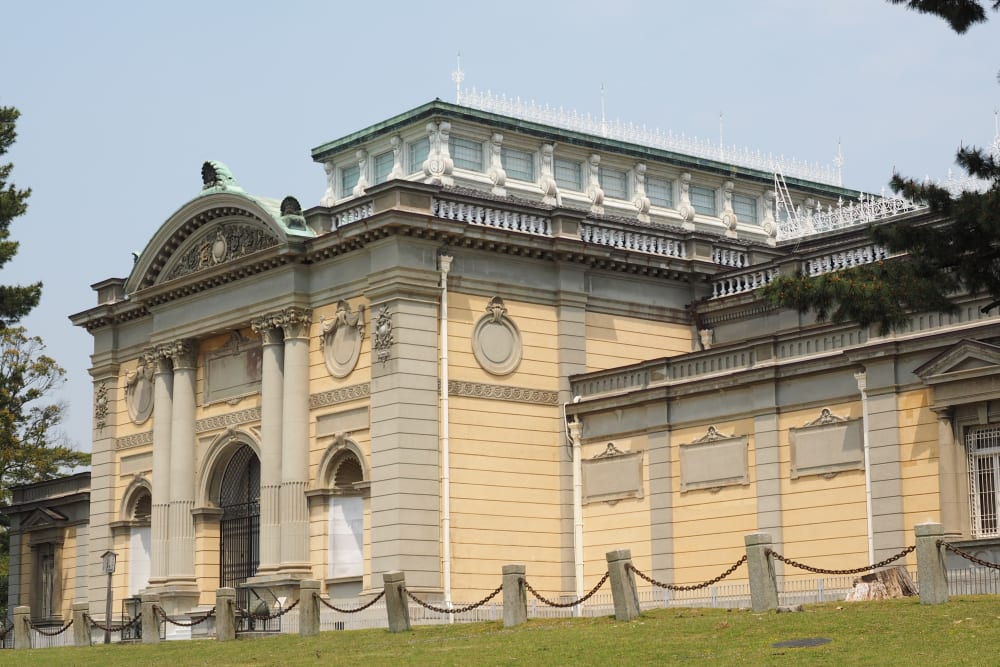
As you enter the museum, you are immediately struck by the architectural marvel of the building itself. Designed by Katayama Tokuma, a renowned architect known for incorporating French and Western artistic influences into Japanese architecture, the original building is a masterpiece in its own right. It has been designated as an Important Cultural Property, highlighting its significance in Japanese history and culture.
Inside the museum, you will find a treasure trove of art and artifacts that chronicle the evolution and practice of Buddhism in Japan. One of the highlights of the museum is the infamous Hell Scroll, a scroll containing vivid and haunting depictions of the lesser hells. This scroll serves as a reminder of the Buddhist concept of karma and the consequences of one’s actions.
Another notable artifact is the seated Medicine Buddha, which dates back to the 9th century. This exquisite sculpture is a testament to the skill and craftsmanship of ancient Japanese artists. It represents the healing and compassionate qualities of the Buddha, embodying the core principles of Buddhism.
In addition to the art and artifacts, the museum also houses the Hassoan teahouse, which is designated as one of the Three Teahouses of the Yamato Region. This teahouse provides visitors with a glimpse into the traditional Japanese tea ceremony, showcasing the cultural significance of tea in Japanese society.
To further enhance your understanding of Buddhist art, the museum offers a Buddhist Art Library section. This section is primarily used for research purposes and contains a vast collection of books, replicas, rubbings, and photographs documenting the history of Buddhism in Japan. Whether you are a scholar or simply curious about the subject, the Buddhist Art Library provides a wealth of resources to deepen your knowledge.
The museum also features new wings and a passageway that links them, displaying additional artifacts and providing detailed descriptions of the construction of Buddhist art pieces. This area offers visitors the opportunity to learn more about the techniques and materials used in creating these masterpieces.
To reach the Nara National Museum, there are several transportation options available. If you are coming from Kintetsu Nara Station, it is just a 15-minute walk to the museum. Alternatively, if you are arriving at JR Nara Station, the museum is a 30-minute walk away. For those who prefer public transportation, you can take the City Loop Bus #2 from either station and alight at the Himurojinja/Kokuritsu-hakubutsukan bus stop, which is conveniently located next to the museum.
In conclusion, the Nara National Museum is a must-visit destination for anyone interested in the history and development of Buddhism in Japan. With its extensive collection of art and artifacts, the museum provides valuable insights into the major events that shaped the religion. From the infamous Hell Scroll to the seated Medicine Buddha, each exhibit tells a story and contributes to our understanding of Buddhism’s rich heritage. Whether you are a scholar, a history enthusiast, or simply curious about Japanese culture, a visit to the Nara National Museum is sure to be a rewarding and enlightening experience.
Address And Maps Location:
Noboriojicho, Nara-shi, Nara-ken
Find Location And Direction On Google Maps
Subscribe, follow travelbloggerindonesia.com