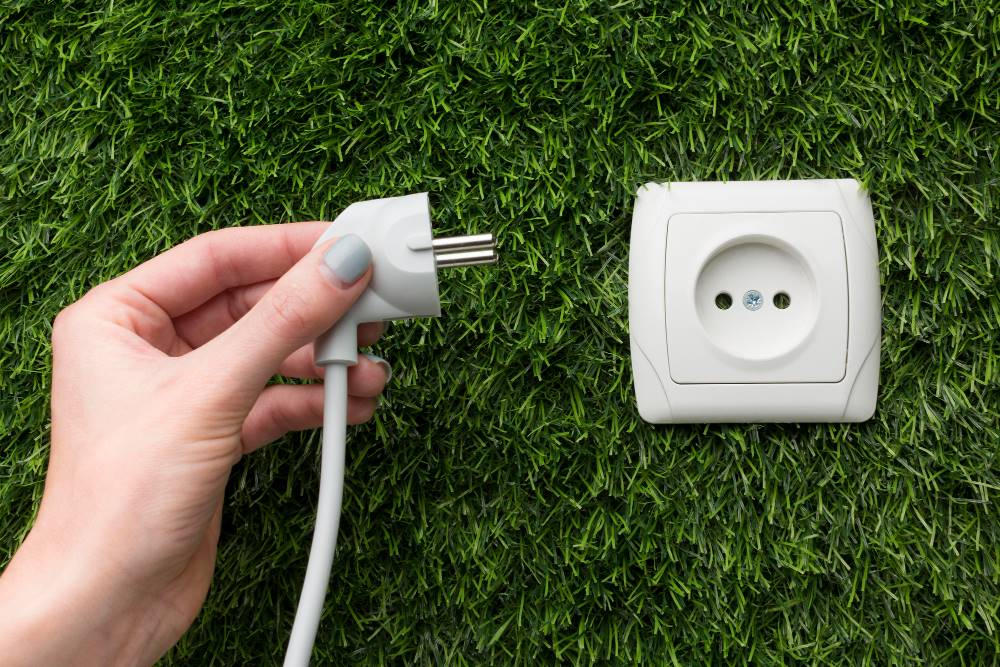
Thailand uses a 220-volt, 50-hertz electricity supply. Most modern phone chargers, laptop power bricks and camera chargers can be used there without a voltage converter if their labels say INPUT: 100–240V, 50/60Hz. However, a plug that physically fits a socket is not proof that the appliance is electrically compatible. This guide explains Thai power outlets, plug adapters, voltage converters and a practical packing checklist for international visitors.
Electrical compatibility is only one part of trip preparation. Before leaving, check your passport and visa requirements, customs and immigration information and mobile-phone and internet options; these practical details can be as important as packing the right charger.
Key Takeaways
What Voltage and Frequency Does Thailand Use?
According to the Tourism Authority of Thailand, domestic alternating-current electricity is supplied at 220V and 50Hz. The agency’s visitor guidance also warns that devices intended solely for 110V should not be connected directly to the Thai supply. The label on the appliance or power supply is more reliable than assumptions based on where it was purchased.
Voltage describes the electrical potential supplied by an outlet; frequency, measured in hertz, describes how often the alternating current changes direction. Both matter for some appliances. A dual-voltage electronic charger normally handles the difference automatically, while an older hair dryer, curling iron, motor-driven appliance or heating device may not.
How to read the input label
- 100–240V ~ 50/60Hz: normally suitable for Thailand’s mains electricity; you may still need a plug adapter.
- 220–240V ~ 50Hz: generally matches Thailand’s supply; confirm the connector and manufacturer’s instructions.
- 110–120V ~ 60Hz only: do not plug directly into a Thai wall outlet. The appliance may require an appropriately rated voltage transformer or a locally compatible replacement.
- USB-powered devices: check the wall charger, not merely the phone or camera. A USB cable does not itself make an incompatible wall adapter safe.
The Thai government’s 2026 electrical information for visitors and the Tourism Authority of Thailand electricity guide both describe the local supply and commonly encountered plug arrangements.
Which Plug Types Are Used in Thailand?
Thai accommodation and other buildings may have a mixture of socket designs. Many sockets accept the flat parallel pins familiar to travellers from North America and Japan, while others accept two round pins common in parts of Europe and Asia. The Thai Type O grounded plug has three round pins; the socket available in a particular room may vary with the age and condition of the installation.
Common plug shapes to recognise
- Type A: two flat parallel pins, typically without a ground connection.
- Type B: two flat pins plus a grounding pin; check whether the actual socket safely accepts the third pin.
- Type C: two round pins, often used for smaller double-insulated devices.
- Type O: three round pins with an earth connection, Thailand’s dedicated grounded plug format.
Some hybrid outlets accept several plug shapes, but compatibility is not universal. Do not force an unfamiliar plug into a socket or defeat its grounding connection. In particular, a travel adapter changes the shape of the plug, not the voltage supplied to the appliance.
Do you need a travel adapter?
Bring a compact, good-quality travel adapter if your plug is not clearly supported. Travellers carrying several small chargers may find a properly certified multi-port USB charger convenient, provided its input rating supports 220V/50Hz. Check the product’s electrical rating, avoid overloading sockets and keep charging equipment dry. For longer stays, ask your accommodation what outlet type is installed rather than relying solely on photographs.
Do You Need a Voltage Converter in Thailand?
Not always. Most modern electronics with a 100–240V power adapter need only a physical plug adapter, if anything. A single-voltage 110V appliance needs a compatible transformer or should be left at home. Buying or borrowing a local 220V appliance may be safer and simpler than travelling with a bulky converter, especially for heat-producing products.
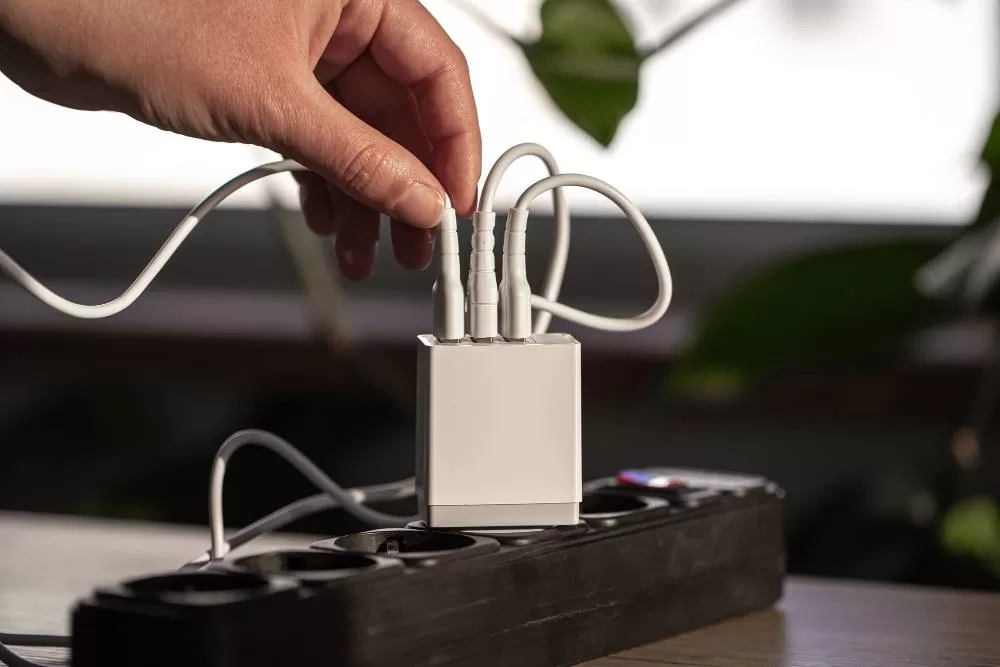
Adapter versus converter versus transformer
A plug adapter changes pin geometry. A voltage converter changes voltage but may be suitable only for particular loads and limited duty cycles. A transformer can step voltage up or down if correctly specified, yet it does not normally change a 50Hz supply into 60Hz. Always follow the appliance and converter manufacturers’ safety instructions.
Why the wattage rating matters
Check the appliance’s rated power in watts and choose equipment designed to handle that load, with appropriate safety margin according to its manufacturer. A converter suitable for a phone charger may be unsafe for a hair dryer or other high-power appliance. Never assume that a lightweight universal travel adapter can power a heater, iron or kettle simply because the plug fits.
Frequency, grounding and polarity
Older motor-driven appliances, clocks and certain specialist devices may operate differently on 50Hz than on 60Hz. Improper grounding can increase electric-shock risk; some converters and older plug arrangements also have polarity limitations. Do not modify plugs, remove ground pins, improvise wiring or use visibly damaged outlets. If you are unsure, stop and consult a qualified electrician or the equipment manufacturer.
Practical Examples for Travellers
Charging a phone, laptop or camera
Find the small-print input rating on the power brick. If it says 100–240V and 50/60Hz, the power supply normally accepts Thai electricity. Check whether its plug fits; if not, use a suitable adapter. Charge on a stable, dry surface, and do not leave damaged batteries or chargers unattended. If you will be using a local SIM or eSIM, our Thailand connectivity guide covers related travel planning.
Using a hair dryer or styling tool
Look for a dual-voltage switch or a printed universal-voltage rating. A 120V-only hair dryer should not be plugged directly into a 220V outlet. Even with a transformer, its high power demand and heating element may make a hotel-provided device the better option. Check accommodation facilities in advance, especially if you are travelling light.
Working remotely or travelling with several devices
Pack the appropriate charging bricks, a certified adapter, a small power bank within your airline’s rules and any cables your devices require. Consider whether a laptop’s charger has a detachable power lead that can be replaced with a locally compatible, manufacturer-approved version. For business or extended trips, combine this preparation with local language and culture tips and general arrival information.
Electrical Safety Checklist Before You Fly
- Read the INPUT voltage and frequency printed on every device or its charger.
- Separate universal-voltage electronics from single-voltage 110V appliances.
- Pack an appropriate plug adapter; do not confuse it with a voltage converter.
- Check converter wattage, grounding and manufacturer limitations for any device that truly needs one.
- Photograph or note the rating labels of essential medical or specialist electrical equipment and seek manufacturer advice before travel.
- Keep electrical equipment away from water and inspect hotel sockets before use.
- Check airline rules for power banks and lithium batteries; they are not ordinary checked-baggage items.
- Confirm that the accommodation can support any essential device, especially if you need a grounded socket.
Plan the Rest of Your Thailand Trip
Once your charging equipment is sorted, the next useful step is to organise arrival logistics. Our guide to getting from Bangkok’s airport into the city may help with your first transfer. You can also review foreign-currency exchange information, but verify exchange locations and opening times directly because these details change.
For a broader itinerary, compare ideas for travelling around Thailand with a three-day Trat itinerary. Visitors heading south can read about Railay Beach access and Phuket destinations; travellers focused on the capital may find the Grand Palace visitor guide and Ancient City Bangkok guide helpful. These destination guides complement, rather than replace, official transport and entry information.
Frequently Asked Questions
Can I use a US phone charger in Thailand?
Usually yes if the charger itself specifies an input range such as 100–240V, 50/60Hz. A suitable plug adapter may still be necessary. Do not rely on the phone’s brand or the appearance of the plug alone.
Will a Japanese 100V appliance work on Thai electricity?
Not if it is designed exclusively for 100V. Check its label. Some Japanese chargers accept 100–240V, while other appliances require a correctly rated transformer or should not be used in Thailand.
Can I use a European two-pin plug?
Many Thai outlets accept Type C two-round-pin plugs, but not every outlet does. Check the available socket and never force a connection. Grounded European plug types require particular care to preserve protective earthing.
Is a universal travel adapter enough for a hair dryer?
No, not if the hair dryer is single-voltage and incompatible with 220V. An adapter does not convert voltage. Check the dryer’s electrical rating and use the hotel appliance when uncertain.
Does Thailand use 220V or 230V?
Official Thai tourism guidance describes the domestic supply as 220V at 50Hz. You may encounter other nominal-voltage descriptions in equipment documentation, but the safest practical test is the appliance’s specified input range, not an assumed number.
Official Sources and Further Reading
- Tourism Authority of Thailand: Electricity — official visitor advice on voltage, socket compatibility and converters.
- Thailand 2026 visitor electrical information — plug types, voltage and device-safety reminders.
- Tourism Authority of Thailand, Japan office: Basic Information — additional official guidance on voltage and plugs.
Information reviewed 23 October 2026. Always follow the rating label and safety instructions supplied with your equipment.
Subscribe, follow travelbloggerindonesia.com
Originally posted 2024-04-08 14:29:09.