Key Takeaways
The Southeast Asian Ceramics Museum: A Comprehensive Overview
Introduction to the Southeast Asian Ceramics Museum
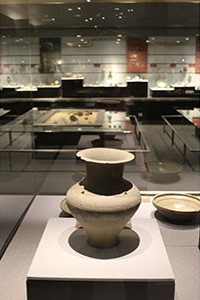
The Southeast Asian Ceramics Museum (SEACM) was founded in 2002 to celebrate the 40th anniversary of Bangkok University. This museum is a treasure trove of over 2,000 ancient and valuable ceramics, graciously donated by Surat Osathanugrah, the founder of Bangkok University. The primary objective of the museum is to cultivate an appreciation for ceramics among students and art enthusiasts. Additionally, it serves as a hub for research and training on all facets of historic ceramics.
Mission and Objectives of SEACM
Promoting Appreciation for Ceramics
One of the core missions of the Southeast Asian Ceramics Museum is to foster a deep appreciation for ceramics. By showcasing a vast collection of ancient and valuable ceramics, the museum aims to educate its visitors—students, art enthusiasts, and the general public—about the historical significance and artistic value of these artifacts. Through various exhibitions and educational programs, SEACM encourages visitors to engage with the art form and develop a nuanced understanding of its cultural importance.
Center for Research and Training
The museum is not only a place of exhibition but also a center for research and training. It provides a platform for scholars, researchers, and students to delve into the study of ceramics. By facilitating research initiatives and offering training programs, SEACM contributes to the academic and practical knowledge surrounding historic ceramics. This makes the museum an invaluable resource for those interested in the art, history, and science of ceramics.
Housing and Preservation of Collections
SEACM takes on the significant responsibility of housing and preserving valuable collections of ancient ceramics. Most of these artifacts were either produced in thailand or imported into the country in ancient times. The museum is dedicated to the meticulous care, documentation, and safeguarding of these collections, ensuring their longevity and accessibility for future generations.
The Collections at SEACM
Origins and Characteristics
The museum boasts a diverse array of ceramics, each piece with its unique origin and characteristics. The collections include ceramics from various regions, highlighting the rich diversity of styles and techniques employed by ancient artisans. By identifying and categorizing these ceramics according to their origins and characteristics, SEACM provides invaluable insights into the cultural exchanges and artistic developments that occurred throughout Southeast Asia.
Documentation and Safeguarding
A crucial aspect of the museum’s role is the documentation and safeguarding of its collections. This involves cataloging each item, recording its provenance, and maintaining detailed records of its condition. Such meticulous documentation not only aids in the preservation of the artifacts but also serves as a resource for researchers and historians who seek to understand the historical context of these ceramics.
Educational Activities and Community Engagement
Organizing Educational Activities
SEACM is committed to organizing educational activities that engage and inform the community. These activities include workshops, lectures, and guided tours designed to enhance the public’s understanding of ceramics. By offering hands-on experiences and expert-led discussions, the museum provides opportunities for visitors to deepen their appreciation and knowledge of the art form.
Engaging with Art Enthusiasts and Students
The museum actively engages with art enthusiasts and students, fostering a vibrant community of individuals passionate about ceramics. Through collaborations with educational institutions and cultural organizations, SEACM extends its reach and impact, inspiring a new generation of ceramicists, historians, and art lovers.
Visiting the Southeast Asian Ceramics Museum
Location and Accessibility
The Southeast Asian Ceramics Museum is conveniently located on the campus of Bangkok University, at 9/1 Moo 5, Amphoe Klong Luang, Pathum Thani 12120. Visitors can easily reach SEACM by taking buses No. 29 and 39, the Rangsit-Pratunam Phra In bus, air-conditioned buses No. 29, 39, or 510, or an air-conditioned van traveling the Victory Monument-BU Rangsit Campus route. Alternatively, taxis are also available for a more direct route to the museum.
Operating Hours and Contact Information
SEACM welcomes visitors from Tuesday to Saturday, between 9:00 am and 4:00 pm. For those seeking more information, the museum can be contacted via phone at 0-2902-0299 ext. 2890, 2892, or by fax at 0-2516-6225. Interested individuals can also reach out via email at [email protected] or visit the museum’s website at museum.bu.ac.th for further details.
Conclusion
The Southeast Asian Ceramics Museum stands as a beacon of cultural heritage and artistic appreciation. Through its extensive collections, research initiatives, and educational activities, SEACM plays a pivotal role in preserving and promoting the rich history of ceramics in Southeast Asia. By visiting the museum, individuals can embark on a journey through time, discovering the intricate beauty and historical significance of ceramics. As a center of learning and engagement, SEACM continues to inspire and educate, ensuring that the art of ceramics remains a vital part of our shared cultural legacy.
Address And Location:
9/1 Moo 5, Phahon Yothin Road Khlong Nueng Khlong Luang Pathum Thani 12120