Treasured works by regional artists
The Oita City Art Museum is a cultural gem that showcases an extensive collection of more than 3,300 works by modern and contemporary artists. Some of these works are even classified as Important Cultural Properties, highlighting their significance and value. Located in Uenogaoka Park, the museum offers a serene and beautiful setting for visitors to appreciate these treasured pieces.
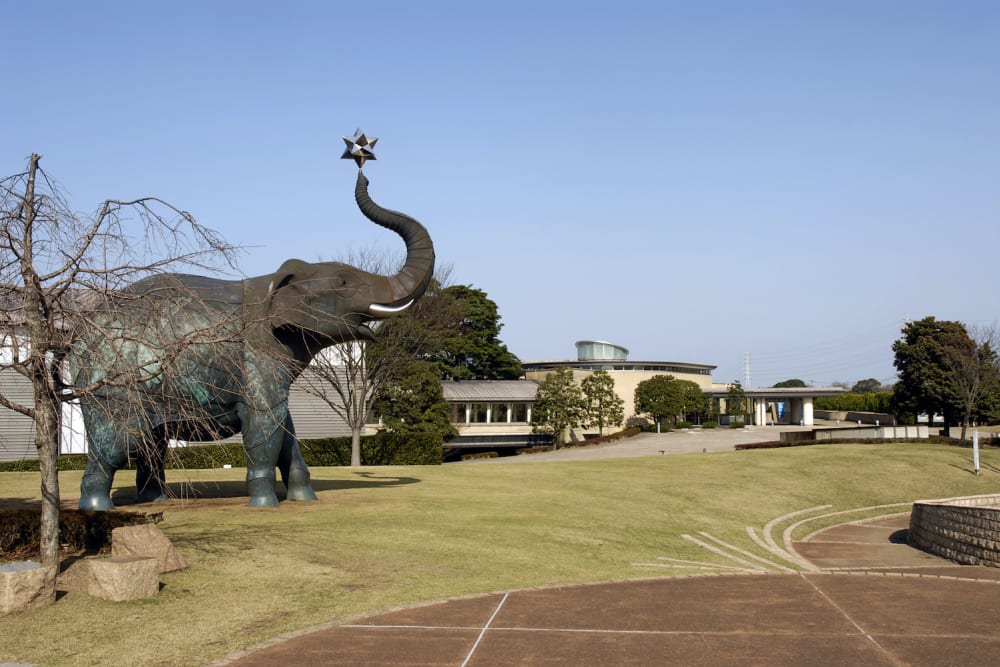
As visitors approach the museum, they are greeted by a magnificent sight—a towering statue of an elephant standing at 21 feet high, with a star delicately balanced on its trunk. This striking sculpture serves as a symbol of the museum’s grandeur and uniqueness. It immediately captures the attention of passersby and sets the tone for the artistic journey that awaits within.
Adjacent to the Oita City Art Museum is the Oita Prefectural Art Museum (OPAM), another cultural institution that boasts a remarkable collection of works by local artists. Designed by the renowned architect Shigeru Ban, the museum itself is a work of art. Its innovative and contemporary design perfectly complements the artworks it houses, creating an immersive and harmonious experience for visitors.
Don’t Miss
One of the highlights of the Oita City Art Museum is the collection of Bungo nanga, a style of Japanese-style paintings influenced by Song China. These works have been designated as Important Cultural Properties, signifying their historical and cultural significance. They offer a glimpse into the artistic traditions and influences that have shaped the region.
In addition to the historical pieces, the museum also features contemporary artworks created by artists connected to the local area. These pieces reflect the vibrant and evolving art scene in Oita, showcasing the talents and creativity of the region’s artists. Visitors have the opportunity to witness the progression of art styles and techniques over time, as well as gain insight into the unique perspectives and narratives of the artists.
A visit to the Oita City Art Museum is not just about admiring the artworks. It is also an opportunity to enjoy a peaceful stroll in Uenogaoka Park, which surrounds the museum. The park offers a tranquil and picturesque setting, with lush greenery, serene ponds, and scenic walking paths. Taking a leisurely walk through the park before or after visiting the museum provides a moment of relaxation and contemplation, allowing visitors to fully immerse themselves in the artistic experience.
How to Get There
To reach the Oita City Art Museum, one can take advantage of the convenient transportation options available. Oita Station serves as a major hub, with connections to the Kyudai, Hohi, and Nippo main lines. From Oita Station’s north exit, it is a pleasant 25-minute walk to the museum. As visitors make their way to the museum, they can enjoy the sights and sounds of the city, further enriching their overall experience.
Old pieces and new
Within the Oita City Art Museum, there are several notable artworks that deserve special attention. One such highlight is the collection of bungo nanga created by Chikuden Tanomura, a prominent landscape painter of the 17th century. Born in what is now modern-day Oita, Tanomura studied under a local teacher and went on to establish himself as a respected artist. His bungo nanga pieces showcase his mastery of the art form and provide a glimpse into the cultural and artistic landscape of the time.
The museum also showcases artworks from more recent times, including pieces by renowned painters Tatsuo Takayama and Heihachiro Fukuda. Takayama’s works often focus on figures, landscapes, and flowers, capturing the beauty and essence of the natural world. Fukuda, on the other hand, was a Nihonga painter and designer who left a lasting impact on the art world. His most notable project was being commissioned to decorate the Takenoma audience room of the Imperial Palace in Tokyo—a testament to his skill and talent.
The prefectural take on art
Adjacent to the Oita City Art Museum is the Oita Prefectural Art Museum, which also offers a captivating collection of artworks. The museum itself is a work of art, with its bamboo lattice facade paying homage to the region’s history of producing fine crafts. Inside, bamboo accents can be found throughout the interior spaces, adding a touch of natural elegance to the bright and open exhibition areas.
The artworks displayed at the Oita Prefectural Art Museum reflect the rich cultural heritage and artistic traditions of the region. Visitors can explore a diverse range of art genres and styles, gaining a deeper understanding of the artistic landscape in Oita. The museum also hosts public events, such as music performances, theater productions, dance recitals, and poetry readings, further enriching the cultural experience for visitors.
In conclusion, the Oita City Art Museum and the Oita Prefectural Art Museum are cultural havens that celebrate the creativity and artistic achievements of regional artists. From historical masterpieces to contemporary creations, these museums offer a comprehensive overview of the art scene in Oita. A visit to these museums not only provides an opportunity to appreciate beautiful artworks but also offers a glimpse into the rich cultural heritage and artistic traditions of the region. Whether it’s the tranquil surroundings of Uenogaoka Park or the innovative design of the museums themselves, every aspect of the experience is carefully curated to ensure a memorable and enlightening visit.
Address And Maps Location:
865 Ueno Oaza, Oita-shi, Oita-ken
Find Location And Direction On Google Maps
Subscribe, follow travelbloggerindonesia.com