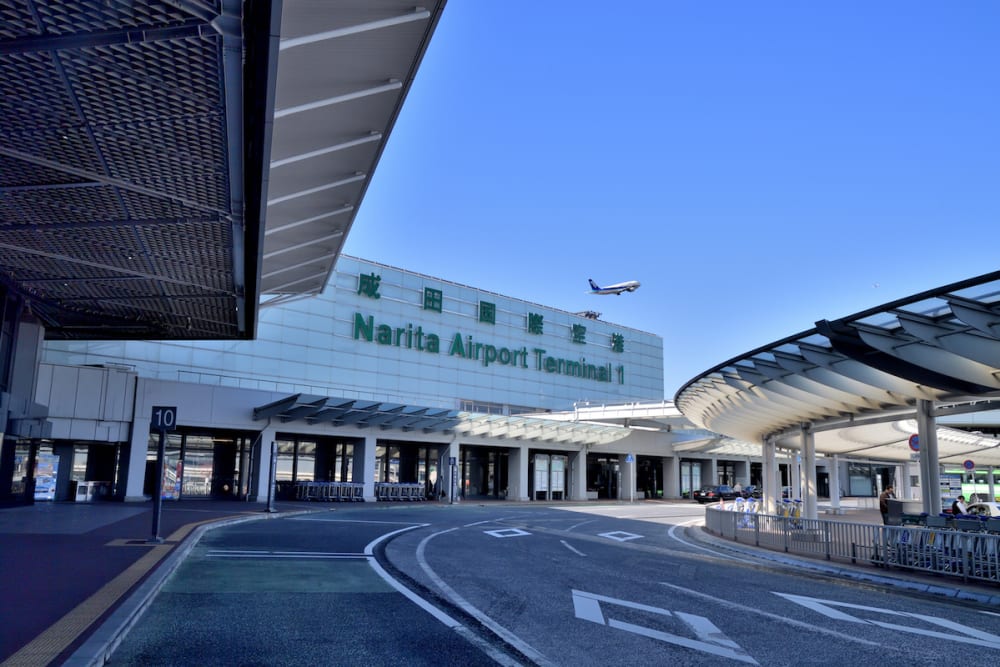
Narita International Airport (NRT) is one of the principal international gateways to Japan. It is in Narita, Chiba Prefecture, east of central Tokyo, and its three passenger terminals handle international and domestic flights. For a smooth arrival, the most useful information is not simply what shops the airport has, but which terminal your airline uses, how to reach Tokyo, and how much time to allow for immigration, baggage, and transfers. This practical guide covers those decisions using official airport and rail information checked in October 2026.
Key Takeaways
Narita Airport at a glance
Airport code NRT identifies Narita International Airport; Tokyo’s other major airport is Haneda Airport (HND). The two airports are not interchangeable: a connection between them requires ground transportation and significant time. Narita has Terminals 1, 2 and 3, with airline allocations that can change. Always confirm the terminal shown on your ticket or the airport’s live flight information before leaving your hotel. The airport’s official website is the best place to check terminal services and operational notices.
Which Narita terminal do I need?
Terminal 1: its railway station is called Narita Airport Station. Terminal 2: the shared railway station is Airport Terminal 2·3 Station, connected directly to Terminal 2. Terminal 3: use that same rail station, then walk through the signed access corridor or take a free shuttle. Airline check-in counters and arrival exits differ, so do not assume your return flight departs from the terminal where you landed. Official station walking estimates are approximately five minutes for Terminals 1 and 2 and ten minutes for Terminal 3, before allowing for baggage, queues or ticket purchases. Consult the airport’s rail-access guide for the current terminal diagrams.
How do you move between terminals?
Free inter-terminal shuttle buses operate on routes connecting the terminals. The airport also provides a walking corridor between Terminals 2 and 3. Bus routes, stops and operating hours are not identical, and the fastest connection depends on the terminals and whether you have cleared immigration. For example, the published landside route between Terminals 2 and 3 can take only a few minutes on the bus, but you should budget for waiting and walking as well. The official terminal-shuttle instructions include stop numbers and route-specific timetables. For an airside international transfer, follow airline instructions instead of assuming the public shuttle is appropriate.
How to get from Narita Airport to Tokyo
Three choices work for most visitors: express rail, ordinary rail, and airport bus. A taxi or private transfer is possible, but is usually more expensive. The best route depends on where you are staying, how many bags you have, and when your flight arrives. Tokyo Station is a useful hub for onward rail travel, while Nippori and Ueno can be convenient for northern Tokyo. Do not select a service solely by its advertised fastest journey: add time to reach the station, wait for departure and transfer at the other end.
Option 1: JR Narita Express (N’EX)
The Narita Express connects the airport with major JR destinations including Tokyo and, on relevant services, Shinjuku and other metropolitan stations. It is a sensible choice if your hotel is near a served JR station or you have luggage and prefer fewer changes. The JR East ticket guide describes fares, reserved seating and pass rules; as of its March 2026 update, the ordinary-car fare to Tokyo was listed at ¥3,140. Fares and schedules can change, so check again before purchasing. A Japan Rail Pass may cover eligible Narita Express travel, but obtain any required reservation and check your pass conditions.
Option 2: Keisei Skyliner
The Keisei Skyliner serves Nippori and Keisei-Ueno, making it attractive for accommodation in Ueno, Asakusa and parts of northern Tokyo. It is a reserved-seat premium train; from Nippori, passengers can transfer to JR lines for other districts. The operator’s Skyliner route and timetable should be checked for the specific day of travel. If your final stop is Shinjuku or Shibuya, compare the total journey including a transfer against the Narita Express before booking.
Option 3: Keisei and JR ordinary trains
Ordinary trains can cost less than premium express services, though travel times and transfers vary. Keisei Access Express services reach a range of destinations and may be convenient for Asakusa or connections to the Toei Asakusa Line. JR local or rapid services can also be useful depending on the timetable. These trains generally do not guarantee a seat or dedicated luggage space. The airport rail route map lists the operating lines; compare the precise destination and boarding platform rather than relying on a generic ‘train to Tokyo’ sign.
Option 4: Airport bus
Airport buses serve Tokyo Station, Ginza, Shinjuku, Shibuya, Ikebukuro and other destinations, with routes and stops that change by operator. They can be convenient for travellers with heavy bags or hotels near a bus stop. Narita’s official bus directory provides routes, and the low-cost bus page listed a ¥1,500 Tokyo/Ginza fare when checked in October 2026, excluding some late-night or early-morning journeys. Road congestion can make bus times unpredictable, so allow a margin for flights or timed rail connections.
Option 5: Taxi or private transfer
Fixed-fare taxis operate between Narita and designated Tokyo zones, but tolls and certain surcharges are additional. A taxi may make sense for a family, a late arrival or a destination poorly served by rail, but the cost can be substantial. The airport’s taxi fare information shows the official zones and conditions. Confirm the total expected cost and vehicle size before departure; do not accept unsolicited offers from strangers in the arrivals hall.
What to do inside Narita Airport
Observation decks for aircraft watching
Narita’s observation areas are a worthwhile stop if you have enough time before your flight. Terminal 1 has an observation deck on the fifth floor, and Terminal 2 has viewing areas on the fourth floor. Official opening times are generally 06:30–21:00 from April through September and 07:00–21:00 from October through March, subject to weather and operational restrictions. Entry is free. Check the airport’s observation-deck page for the latest access information. Plane photography is popular, but follow restrictions on tripods and equipment.
Shopping, dining and Japanese souvenirs
Depending on the terminal and whether you are before or after security, you can find restaurants, cafés, convenience stores, gift shops and duty-free retailers. Typical souvenirs include packaged sweets, regional snacks, tea and small crafts. Do not assume every shop opens around the clock: opening hours depend on the outlet and terminal. If you are buying liquids or duty-free goods on a multi-flight itinerary, confirm the rules for the next security screening. It is easier to compare options before boarding than to discover a shop is in another terminal.
Practical passenger facilities
Airport services include baggage storage and lockers in designated areas, ATMs, currency exchange, information desks, accessible facilities, showers in certain locations, and spaces for families. Availability and fees differ between terminals and airside/landside areas. The official facility guide is useful for locating services, especially when travelling with children, mobility equipment or a long layover. Check whether your chosen facility is accessible without passing security; a transit passenger may not be allowed to enter every public area.
Arriving in Japan: a step-by-step plan
Before landing
Keep your passport, onward address and any immigration or customs documentation accessible. Check the latest Japanese entry requirements for your nationality and travel purpose rather than relying on an older blog post. If you are connecting to another flight, review whether you need to clear immigration, collect checked luggage or change terminals. Airlines set minimum connection times, but separate tickets may offer no protection if the first flight is delayed.
After immigration and baggage claim
Follow the signs to customs and the arrivals lobby. Decide whether you need cash, a transport IC card, a data connection or a train ticket. Compare rail and bus services before committing to a ticket. If you plan to visit the city, start with Tokyo Station and explore nearby districts using your preferred train line; for a northern Tokyo itinerary, Ueno Park and Nakamise-dori in Asakusa are practical places to research.
Before departing Japan
Recheck your airline’s terminal and check-in deadline, including any special baggage counter. International flights generally require more time for check-in, security and passport control than a domestic trip. Add a buffer if you are taking a bus during busy road hours. Carry medication and essentials in hand luggage within airline rules, and keep valuables accessible during transfers. Confirm your flight status directly with the airline and airport on the day of departure.
Is Narita worth exploring on a layover?
If your connection is short, stay within the airport and prioritise your next flight. With a longer layover and permission to enter Japan, Narita city offers cultural attractions without the long journey to central Tokyo. Naritasan Shinsho-ji Temple is a well-known historic temple; the wider Chiba area includes Sawara’s traditional streets, Sakura city and the National Museum of Japanese History. Always check opening days, luggage storage, visa eligibility and the round-trip transport time. A long advertised layover can shrink quickly after arrival formalities and security on the return.
Planning onward travel from Narita
For a first-time Tokyo visit, popular attractions include Tokyo Tower, teamLab Planets, Shibuya Crossing and Tokyo Dome. Families may be considering Tokyo Disney Resort, while travellers visiting in the right season can research Tokyo sumo tournaments. Outside central Tokyo, Suigo Sawara Ayame Park and Tokyo Game Show illustrate how varied a greater-Tokyo itinerary can be. These links are planning ideas, not promises that an attraction will be open or an event will take place on your date.
Common Narita Airport questions
Is Narita the same airport as Haneda?
No. Narita (NRT) is in Chiba Prefecture, while Haneda (HND) is much closer to central Tokyo. Transferring between them involves a separate ground journey and, depending on your ticket, baggage and immigration procedures.
Which train is best from Narita to Tokyo?
There is no universal winner. Narita Express is convenient for several JR destinations, Skyliner is particularly useful for Nippori and Ueno, and ordinary rail or buses may be more economical. Compare the full door-to-door route and today’s timetable.
Can I walk between Terminals 2 and 3?
Yes, a signed corridor connects them. A free shuttle bus is also available. Terminal 1 generally requires the shuttle for a terminal change.
Are Narita’s observation decks free?
The public observation decks are free to visit during their published hours, subject to closures or weather restrictions.
Can I leave Narita Airport during a layover?
Only if you meet Japan’s entry requirements and have enough time to clear formalities, travel and return for check-in and security. Confirm with your airline before making plans.
Address And Maps Location:
1-1 Furugome, Narita-shi, Chiba-ken, Japan. This is the address supplied in the original article. Use your airline’s terminal and the airport’s latest route information when navigating.
Find Location And Direction On Google Maps
Official sources and further reading
The original article cites Japan National Tourism Organization’s Narita Airport page. For live operating information, use the airport’s official terminal, rail and bus guides linked above. Information was checked on 25 October 2026; ticket prices, opening hours and services can change.
Subscribe, follow travelbloggerindonesia.com