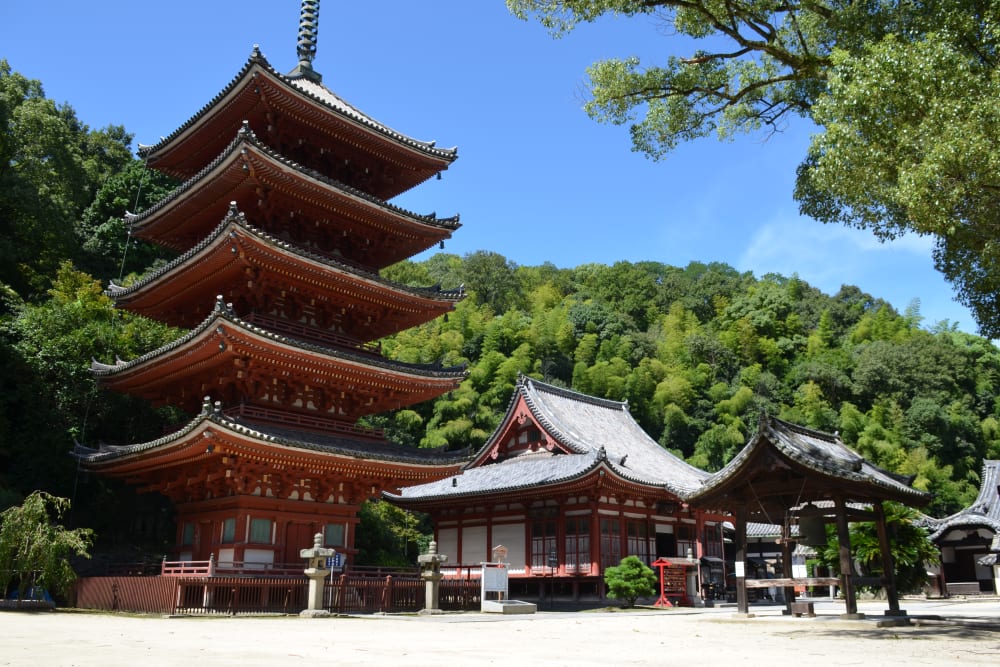
Myooin Temple: A Symbol of Serenity and History
Introduction
Located on the mountainside of Mt. Atago in Fukuyama-shi, Hiroshima-ken, Myooin Temple is a renowned Buddhist temple that has been attracting visitors for centuries. With its rich history, stunning architecture, and serene surroundings, the temple offers a unique experience for those seeking spiritual enlightenment and cultural exploration. In this article, we will delve into the fascinating details of Myooin Temple, from its founding to its architectural wonders and the natural beauty that surrounds it.
Founding and History
Myooin Temple was founded by Kobo Daishi, also known as Kukai, one of japan‘s most famous monks. Kukai was a prominent figure in Japanese Buddhism, and he established the temple in the 9th century. Since then, Myooin Temple has been an important center for the Shingon Buddhism sect.
The Main Hall and National Treasure
One of the highlights of Myooin Temple is its main hall, which is said to have been built in 1321. This magnificent structure is a designated national treasure, showcasing a blend of architectural influences from Japan and China. The main hall’s intricate design and craftsmanship are a testament to the skills of the artisans who built it.
The Five-Storied Pagoda
Another iconic feature of Myooin Temple is its five-storied pagoda. Standing at an impressive height of 29 meters, it is one of the tallest pagodas in Japan. Built in 1348, the pagoda is the fifth oldest of its kind in the country. Its elegant design and towering presence make it a focal point of the temple complex.
Hagi-Mon Gate: A Gateway to Tranquility
As visitors enter the temple grounds, they are greeted by the Hagi-Mon Gate, the main entrance to Myooin Temple. Legend has it that this gate was carved from a single gargantuan chunk of bush clover wood, adding to its mystical allure. The gate serves as a symbol of transition from the outside world to the peaceful sanctuary within.
A Wood-Filled Mountainside Retreat
One of the most captivating aspects of Myooin Temple is its picturesque setting on the mountainside of Mt. Atago. Surrounded by dense green forests, the temple stands out with its vibrant red and white buildings. The natural beauty of the surroundings enhances the sense of serenity and tranquility that permeates the temple grounds.
Visiting Myooin Temple
To reach Myooin Temple, visitors can take a 15-minute bus ride from Fukuyama Station. The Tomotetsu bus will drop you off at the Myooin-mae stop, and from there, it is a pleasant 15-minute walk to the temple. The journey itself offers glimpses of the beautiful Hiroshima countryside, making it a delightful experience.
Best Time to Visit
While Myooin Temple is a sight to behold throughout the year, there are two seasons that offer a particularly enchanting ambiance. During the fall, the surrounding foliage transforms into a mesmerizing display of fiery orange hues, providing a stunning backdrop to the temple complex. In winter, the contrast between the snow-covered landscape and the vermilion architecture of Myooin Temple creates a scene straight out of a winter wonderland.
COVID-19 Precautions
Please note that the information provided in this article may be subject to change due to the ongoing COVID-19 pandemic. It is advisable to check the latest travel advisories and guidelines before planning your visit to Myooin Temple.
Conclusion
Myooin Temple is a true gem of Japanese cultural heritage. Its rich history, awe-inspiring architecture, and serene surroundings make it a must-visit destination for travelers seeking a deeper understanding of Japan’s spiritual traditions. Whether you are a history enthusiast, a photography lover, or simply someone in search of tranquility, Myooin Temple has something to offer. So, plan your visit today and embark on a journey of discovery and enlightenment at this remarkable Buddhist temple.
Address And Maps Location:
1473 Kusado-cho, Fukuyama-shi, Hiroshima-ken
Find Location And Direction On Google Maps
Subscribe, follow travelbloggerindonesia.com