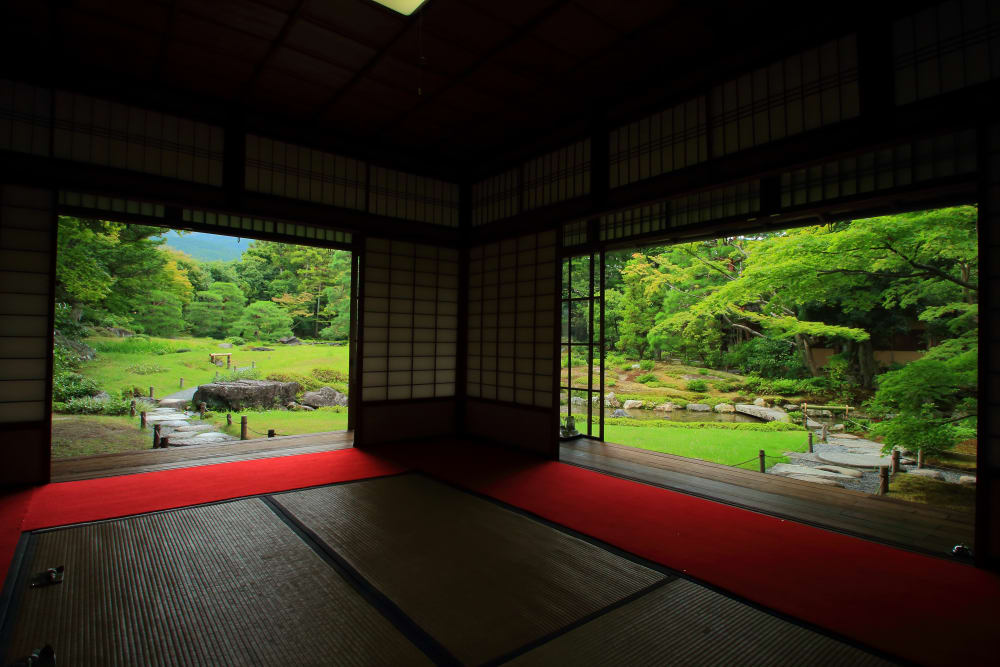
Magnificent Villa and Gardens of a Great Statesman
Introduction
Located in the Okazaki area of Kyoto, Murin-an is a captivating garden that was built in the late 19th century by Yamagata Aritomo, one of the most influential figures in modern Japanese history. This charming garden served as the retirement villa for Yamagata Aritomo, who played a crucial role in japan‘s rapid modernization during that time. The design of Murin-an reflects Yamagata’s appreciation for foreign architectural styles, making it a unique and fascinating attraction in Kyoto.
Don’t Miss
When visiting Murin-an, there are several highlights that you should not miss. Firstly, take the time to admire the breathtaking scenery of the Higashiyama hills surrounding the garden. The lush greenery and serene atmosphere create a peaceful and tranquil ambiance that will make you feel at ease.
Additionally, Murin-an holds historical significance as a place where political heavyweights discussed the impending Russo-Japanese War. Imagine being in the same location where important decisions were made that shaped the course of history. This adds an extra layer of depth and significance to your visit.
Lastly, make sure to savor a cup of matcha green tea at the traditional teahouse within the garden. Matcha is a type of powdered green tea that is prepared and served in a ceremonial manner. It offers a unique and authentic taste that is deeply rooted in Japanese culture. Enjoying a cup of matcha amidst the tranquil surroundings of Murin-an is a truly memorable experience.
How to Get There
To reach Murin-an, you can take a bus from Kyoto Station and then walk from there. From Kyoto Station, hop on city bus no. 5, 86, or 100 and get off at Jingu-michi or Okazaki Park Museum, Heian Jingu-mae. From there, it is just a short walk to Murin-an. Follow the signs on Niomon Street that will guide you to a small entrance down a quiet and narrow lane.
A Tranquil Hideaway
Murin-an is a modern Japanese garden that offers a unique and captivating experience at every turn. Although it was completed in 1896, the garden remains relatively lesser-visited compared to other attractions in Kyoto. Its name, Murin-an, alludes to its quiet location, tucked away from the bustling crowds of the city.
Yamagata Aritomo, a prominent statesman during the Meiji Era, played a significant role in the construction of Murin-an. It was during this time that the monumental Lake Biwa canal was completed, diverting water from Japan’s largest lake to Kyoto for hydroelectric power. Yamagata took advantage of this development to create the various streams, ponds, and waterfalls that can be found within the garden. The meticulous landscaping, including perfectly manicured moss and trees, adds to the overall beauty and tranquility of Murin-an.
The garden itself was designed by Ogawa Jihei, a renowned seventh-generation gardener from a prominent gardening family. His expertise and attention to detail are evident in every aspect of Murin-an’s design. Each element of the garden, from the placement of rocks to the arrangement of plants, has been carefully considered to create a harmonious and visually stunning environment.
A Symbol of Westernization
Yamagata Aritomo played a pivotal role in the Meiji Restoration, which marked the end of the shogunate regime and the beginning of a new government with the emperor at its head. Initially, Yamagata opposed opening Japan up to foreign trade. However, he soon realized the importance of modernization and the need to strengthen Japan’s military capabilities to withstand Western influence.
One of the notable features of Murin-an is a Western-style red brick structure, which now serves as a museum. This building holds historical significance as it was the place where Yamagata secretly met with ministers leading up to the Russo-Japanese War in 1903. The second floor of the museum still retains its original furnishings and lavish artworks, offering a glimpse into the past.
Visitors to Murin-an can also enjoy traditional Japanese tea and sweets at the main Japanese house overlooking the gardens. This provides an opportunity to immerse yourself in Japanese culture and indulge in the flavors and customs that have been passed down through generations.
Exploring the Surrounding Area
Murin-an is conveniently located near several other attractions in Kyoto, making it an excellent addition to your itinerary. Nanzenji Temple, Heian-jingu Shrine, and numerous museums in the Okazaki district are all within easy reach. Plan to spend a leisurely half day exploring the area and taking in the rich history and beauty that Kyoto has to offer.
In conclusion, Murin-an is a hidden gem in Kyoto that offers a unique blend of historical significance, natural beauty, and cultural experiences. From the stunning landscape to the Western-style museum and traditional teahouse, there is something for everyone to enjoy. Take the time to visit Murin-an and immerse yourself in the tranquil surroundings and rich history of this magnificent villa and gardens.
Address And Maps Location:
31 Nanzenji Kusagawa-cho, Sakyo-ku, Kyoto-shi, Kyoto-fu
Find Location And Direction On Google Maps
Subscribe, follow travelbloggerindonesia.com