Samurai Honor, Tragedy, and Famous Windows of Philosophy
Introduction
Samurai, the legendary warriors of ancient japan, were known for their honor, bravery, and unwavering loyalty. Their stories have been immortalized in countless tales, films, and legends. One such tale is that of Genkoan Temple, a place where samurai honor, tragedy, and famous windows of philosophy come together in a captivating display of history and spirituality. Located in Kyoto, Japan, Genkoan Temple is a hidden gem that offers visitors a unique glimpse into the world of samurai and the philosophy that shaped their lives.
How to Get There
To visit Genkoan Temple, one must first travel to Kyoto, the cultural heart of Japan. From Kyoto Station, one can take the Karasuma subway line to Kita-oji Station. Once there, a short bus ride on the Kita 1 bus will take you to the Takagamine Genkoan-mae bus stop. From there, it is just a one-minute walk to the temple’s entrance. The ease of access makes Genkoan Temple an ideal destination for both locals and tourists alike.
Quick Facts
Before delving into the rich history and philosophy of Genkoan Temple, let’s first explore some quick facts about this remarkable place. The garden at Genkoan is considered one of the best views in Kyoto, offering visitors a serene and picturesque setting to explore. Look for Yamaguchi Sekkei’s ink painting on the sliding paper fusuma doors, a beautiful artistic representation of Zen philosophy. One of the most notable features of the temple is its bloodstained ceilings, which date back to a tragic battle in 1600. Lastly, Genkoan Temple is a rare example of a temple changing its Buddhist affiliation and is known as Fukko Zenrin, or restored Zen temple.
The Flexibility of Zen
Genkoan Temple was originally established as a temple of the Daitokuji branch of the Rinzai sect of Zen Buddhism in 1346. However, in 1694, it underwent a transformation and became a temple of the Soto sect. This change in affiliation showcases the flexibility of Zen Buddhism, which allows for different interpretations and practices while still maintaining its core principles. The present main hall of Genkoan Temple was constructed during this transition period, reflecting the architectural style and design of the Soto sect.
Blood-stained Ceiling
One of the most intriguing aspects of Genkoan Temple is its blood-stained ceiling. This unique feature holds a tragic story that dates back to the year 1600. During the Battle of Sekigahara, enemies of the soon-to-be shogun, Tokugawa Ieyasu, besieged the Fushimi Castle, which was located in the vicinity of Kyoto. The defenders of the castle fought valiantly to delay the enemy’s advance, sacrificing their lives in the process. The blood of these brave samurai warriors stained the floors of the castle, which were later repurposed as ceiling boards in five temples in the Kyoto area, including Genkoan Temple. This act served as a way to honor the fallen samurai and appease their souls. The bloodstained ceilings of Genkoan Temple stand as a powerful reminder of the sacrifices made by these warriors and the enduring legacy of samurai honor.
Inspired Gardening
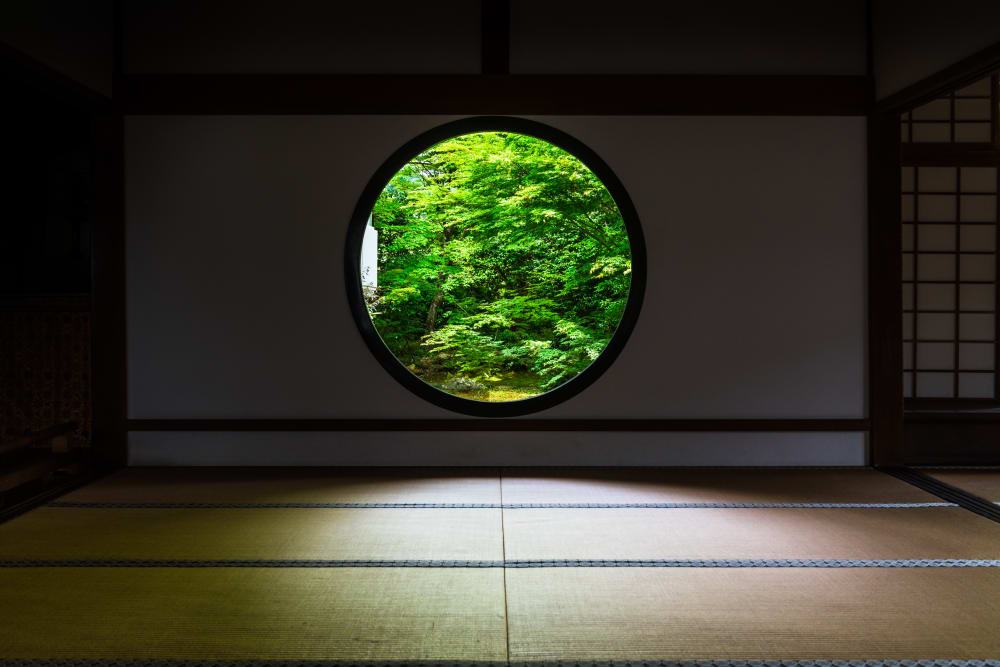
In addition to its historical significance, Genkoan Temple is also renowned for its beautiful garden. The garden is meticulously designed, with tidily arranged flagstones, plants, and stone lanterns. It is a testament to the artistry and skill of Japanese garden design. The garden is specifically designed to change its appearance with the movement of sunlight throughout the day, creating a dynamic and ever-changing landscape. During the autumn season, the maple trees in the garden turn a vibrant shade of red, adding a splash of color to the serene surroundings. This deliberate design choice plays with the concept of time, allowing visitors to witness the gradual transformation of nature and appreciate the fleeting beauty of each moment.
Windows of Wisdom
Among the many attractions within Genkoan Temple, two large windows hold special significance. The first is the round window, known as “The Window of Enlightenment.” This window symbolizes the complete wholeness of the universe and serves as a reminder of the interconnectedness of all things. The second window, called “The Window of Confusion,” is square in shape and represents the four human afflictions of life: old age, illness, and death. Each corner of the window represents one of these afflictions, reminding us of the impermanence of life and the importance of living each moment to its fullest.
Conclusion
Genkoan Temple is a testament to the rich history, philosophy, and culture of Japan. It offers visitors a unique opportunity to immerse themselves in the world of samurai honor, tragedy, and famous windows of philosophy. From its blood-stained ceilings to its meticulously designed garden, every aspect of the temple tells a story and invites contemplation. Whether you are a history enthusiast, a spiritual seeker, or simply someone looking to explore the beauty of Kyoto, Genkoan Temple is a must-visit destination that will leave a lasting impression. So, pack your bags, embark on a journey to the heart of Japan, and discover the captivating allure of Genkoan Temple.
Address And Maps Location:
47 Takagamine Kitatakagamine-cho, Kita-ku, Kyoto-shi, Kyoto-fu
Find Location And Direction On Google Maps
Subscribe, follow travelbloggerindonesia.com