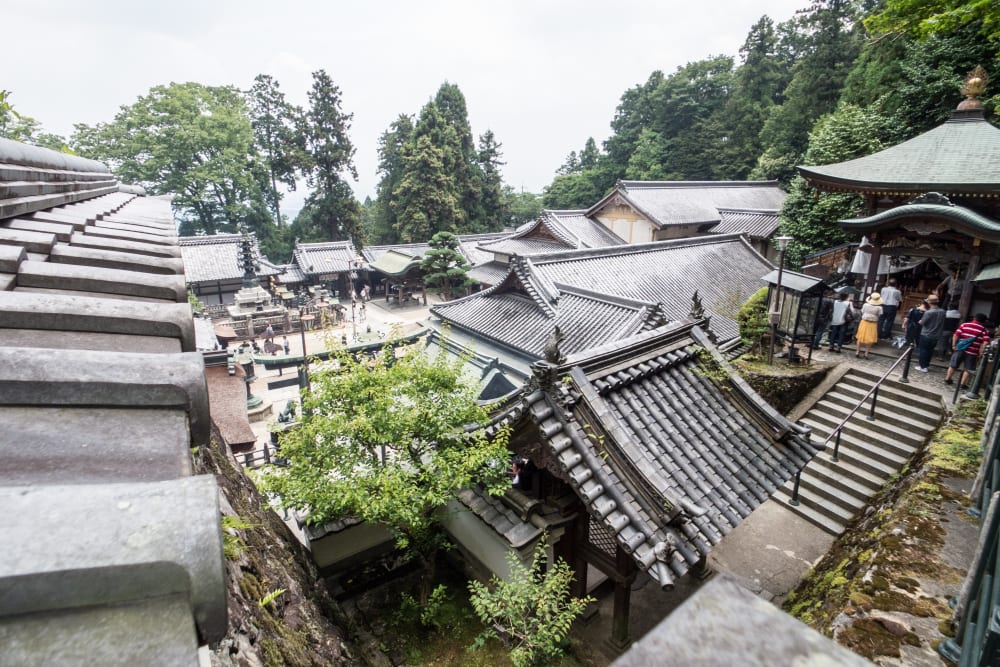
Bargain with the gods on this sacred peak
Located at the crossroads of Nara and Osaka prefectures, Mt. Ikoma is a sacred peak that holds great historical and cultural significance. This mountain has been a center of worship and prosperity for centuries, with several temples and landmarks dotting its landscape. In this article, we will explore the rich history and attractions of Mt. Ikoma, as well as provide information on how to reach this magnificent destination.
The Importance of Mt. Ikoma in History
Mt. Ikoma’s strategic location made it a crucial point along various historical trading routes. It served as a meeting place for merchants and travelers, fostering economic growth and cultural exchange. The mountain’s prominence led to the construction of several temples in the area, which became symbols of prosperity and spiritual enlightenment.
One of the most important temples in the region is Hozanji Temple. This temple has deep roots in Nara’s history and is considered a significant cultural landmark. It has attracted worshippers and visitors alike, who come to admire its architectural beauty and pay homage to its deities. Hozanji Temple is a testament to the fusion of traditional Japanese aesthetics and Western-inspired architecture, as exemplified by the Lion Pavilion, a stunning structure built in 1884.
Exploring Mt. Ikoma’s Natural Beauty
Aside from its historical and cultural significance, Mt. Ikoma is also known for its breathtaking natural beauty. The scenic Shigi-Ikoma skyline road offers panoramic views of the neighboring cities and is a popular destination for urbanites seeking a serene escape from the bustling metropolis. The road is particularly enchanting during the spring season when cherry blossoms and other flowers bloom, creating a picturesque backdrop.
For outdoor enthusiasts, hiking the Kuragari Pass is a must-do activity. This pass is considered one of the top 100 roads in japan, thanks to its combination of stunning natural scenery and historical significance. Along the way, hikers may come across stone markers that serve as reminders of the mountain’s importance in ancient history. The pass reaches an elevation of 455 meters above sea level, offering breathtaking views of the surrounding landscape.
The Peculiar Deities of Hozanji Temple
Hozanji Temple is not only known for its architectural splendor but also for its peculiar deities. One of the most revered deities enshrined in the temple is Kangi-ten, the Japanese incarnation of the Hindu god Ganesh. What makes Kangi-ten unique is its representation as an elephant-headed deity, a characteristic not commonly associated with Japanese Buddhism. The presence of Kangi-ten in Hozanji Temple adds an intriguing aspect to the temple’s spiritual ambiance, attracting worshippers and curious visitors alike.
Getting to Mt. Ikoma
Reaching Mt. Ikoma is relatively easy, thanks to its convenient location and accessible transportation options. The nearest station to the mountain is Ikoma Station, which can be reached from Kintetsu Nara Station in approximately 15 minutes. From Osaka-Namba Station in Osaka, it takes around 25 minutes to reach Ikoma Station. Once at Ikoma Station, visitors can transfer to a cable car that will take them to various stops in the area, including Hozanji Temple.
Planning Your Visit to Mt. Ikoma
If you’re planning a trip to Mt. Ikoma, it’s essential to consider the best time to visit. The mountain tends to get crowded during the spring season when cherry blossoms are in full bloom. This is a popular time for tourists and locals alike to visit and enjoy the natural beauty of the area. However, if you prefer a quieter and more peaceful experience, you may want to consider visiting during other seasons when tourist traffic is lower.
It’s important to note that the information provided in this article may be subject to change due to the ongoing COVID-19 pandemic. Before planning your visit, it’s advisable to check for any travel restrictions or guidelines issued by the local authorities.
In conclusion, Mt. Ikoma is a destination that offers a unique blend of history, spirituality, and natural beauty. Whether you’re interested in exploring ancient temples, hiking scenic trails, or simply enjoying panoramic views of the surrounding cities, Mt. Ikoma has something to offer for every traveler. Plan your visit carefully, and you’re sure to have a memorable and enriching experience on this sacred peak.
Address And Maps Location:
Ikoma-shi, Nara-ken
Find Location And Direction On Google Maps
Subscribe, follow travelbloggerindonesia.com