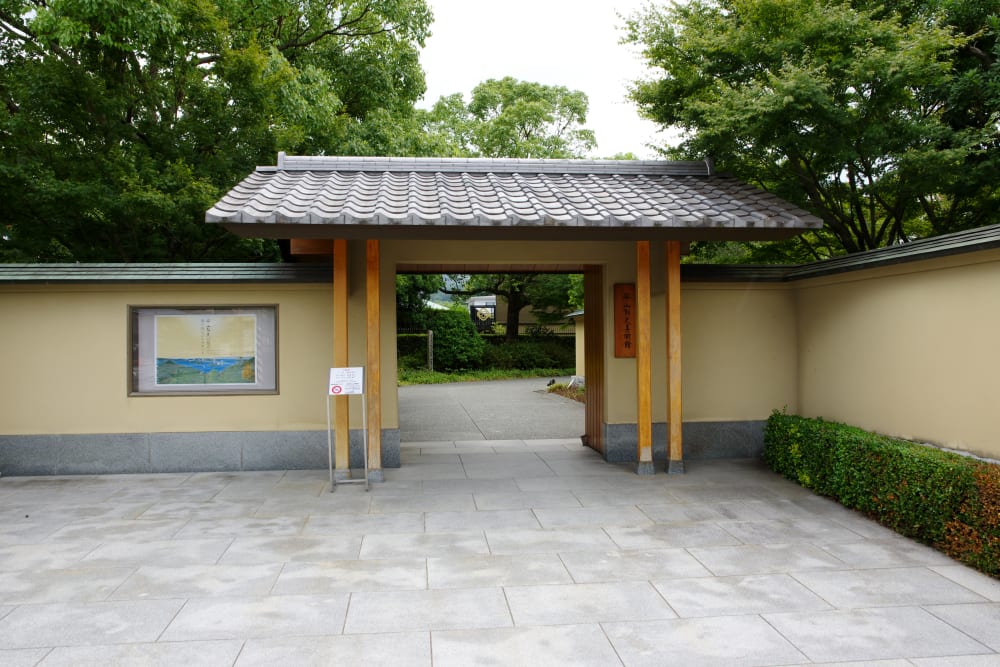
The Hirayama Ikuo Museum of Art is a renowned museum located in Onomichi, Hiroshima, dedicated to showcasing the works of Ikuo Hirayama, one of japan‘s most celebrated contemporary artists. Known for his mastery of the traditional Japanese painting style called Nihonga, Hirayama’s artworks are a testament to his skill, creativity, and deep understanding of Japanese culture and history.
Hirayama’s artistic journey is deeply intertwined with his personal experiences, including the devastating atomic bomb that fell on Hiroshima. As a survivor of the atomic blast, Hirayama witnessed the horrors and aftermath of the bombing firsthand. His own struggles with radiation sickness throughout his life inspired him to create powerful artworks that depict the atomic bomb and its impact on humanity. These artworks form a significant part of the museum’s collection and serve as a poignant reminder of the consequences of war and the importance of peace.
One of the most notable series in the museum’s collection is Hirayama’s depiction of the introduction of Buddhism to Japan. Buddhism has played a significant role in shaping Japanese culture, and through his paintings, Hirayama explores the historical and spiritual significance of this religion. His meticulous attention to detail and use of vibrant colors bring these historical narratives to life, allowing visitors to immerse themselves in the rich cultural heritage of Japan.
Another prominent theme in Hirayama’s artworks is the ancient Silk Road, a network of trade routes that connected Asia with Europe. Hirayama’s fascination with the Silk Road is evident in his series of paintings that depict the journey and the cultural exchanges that took place along this historical route. Through his artworks, he captures the essence of the Silk Road, its vibrant markets, diverse cultures, and the transformative power of trade and exchange.
The museum’s three exhibition halls provide visitors with a comprehensive overview of Hirayama’s artistic career. The permanent collection showcases artworks from different periods of his life, offering insights into his artistic development and evolving style. Additionally, the museum regularly hosts special exhibitions that highlight specific themes or periods in Hirayama’s work.
In addition to the exhibition halls, the museum features a tea lounge and a small shop where visitors can purchase prints of Hirayama’s artworks and other souvenirs. The tea lounge provides a serene and calming atmosphere, allowing visitors to reflect on the artworks they have seen and engage in meaningful discussions about art and culture. The shop offers a range of items that celebrate Hirayama’s artistry, allowing visitors to take a piece of his legacy home with them.
Hirayama’s artworks are not only visually captivating but also significant in preserving and updating the Nihonga style of painting. Nihonga is a traditional Japanese painting technique that emerged in the early 20th century as a response to the influence of Western art. It combines traditional Japanese methods and materials with contemporary subjects, allowing artists to incorporate elements of both Eastern and Western artistic traditions.
Hirayama’s approach to Nihonga is characterized by his meticulous attention to detail and his ability to create depth and perspective in his paintings. While staying true to the traditional techniques and materials of Nihonga, he also incorporates Western shading and perspective, creating a unique fusion of styles. His innovative approach to Nihonga has not only revitalized the traditional art form but also expanded its possibilities, making it relevant and accessible to contemporary audiences.
The Hirayama Ikuo Museum of Art is easily accessible from JR Onomichi Station by bus or ferry. From Hiroshima Station, it takes approximately 80 minutes to reach Onomichi Station by train. From there, visitors can board a local bus bound for Setoda Port, which stops in front of the museum along the way. The bus ride takes about an hour, offering scenic views of the surrounding area and adding to the overall experience of visiting the museum.
In conclusion, the Hirayama Ikuo Museum of Art is a must-visit destination for art enthusiasts, history buffs, and anyone interested in exploring the rich and diverse cultural heritage of Japan. Through the works of Ikuo Hirayama, visitors can gain a deeper understanding of Japanese history, spirituality, and the enduring power of art to convey profound emotions and messages. Whether it is his depictions of the atomic bomb, the Silk Road, or the introduction of Buddhism to Japan, Hirayama’s artworks continue to inspire and resonate with audiences from around the world.
Address And Maps Location:
200-2 Setodachosawa, Onomichi-shi, Hiroshima-ken
Find Location And Direction On Google Maps
Subscribe, follow travelbloggerindonesia.com