A somber yet poignant reminder of the horrors of war
The Nagasaki Atomic Bomb Museum stands as a somber yet poignant reminder of the horrors of war. Located in Nagasaki, japan, the museum showcases the impact of the dropping of the “Fat Man” atomic bomb on August 9, 1945. This devastating event forever changed the city and its inhabitants, and the museum serves as a fundamental resource for understanding the city’s post-war fabric.
Don’t Miss
One of the main highlights of visiting the Nagasaki Atomic Bomb Museum is learning about the bomb’s devastating impact on Nagasaki. The museum presents firsthand accounts from survivors, allowing visitors to truly grasp the magnitude of the destruction and the human toll it took. These accounts provide a personal and emotional connection to the events of that fateful day.
Adjacent to the museum is the Nagasaki National Peace Memorial Hall for the Atomic Bomb Victims. This memorial hall further commemorates the victims and serves as a space for reflection and remembrance. It provides a deeper understanding of the lasting effects of the bomb on the lives of individuals and the community as a whole.
Another important site to visit is the nearby Atomic Bomb Hypocenter Park. This park marks the exact point above which the bomb exploded. It serves as a solemn reminder of the destructive power of nuclear weapons and the need for peace in the world.
How to Get There
The Nagasaki Atomic Bomb Museum is conveniently located and can easily be combined with a visit to the Nagasaki Peace Park. To reach the museum, visitors can take a streetcar from Nagasaki Station to the Peace Park tram stop, which is just a four-minute walk away. This accessibility makes it easy for tourists to include the museum in their itinerary and gain a deeper understanding of the city’s history.
Confronting the horrors of the past
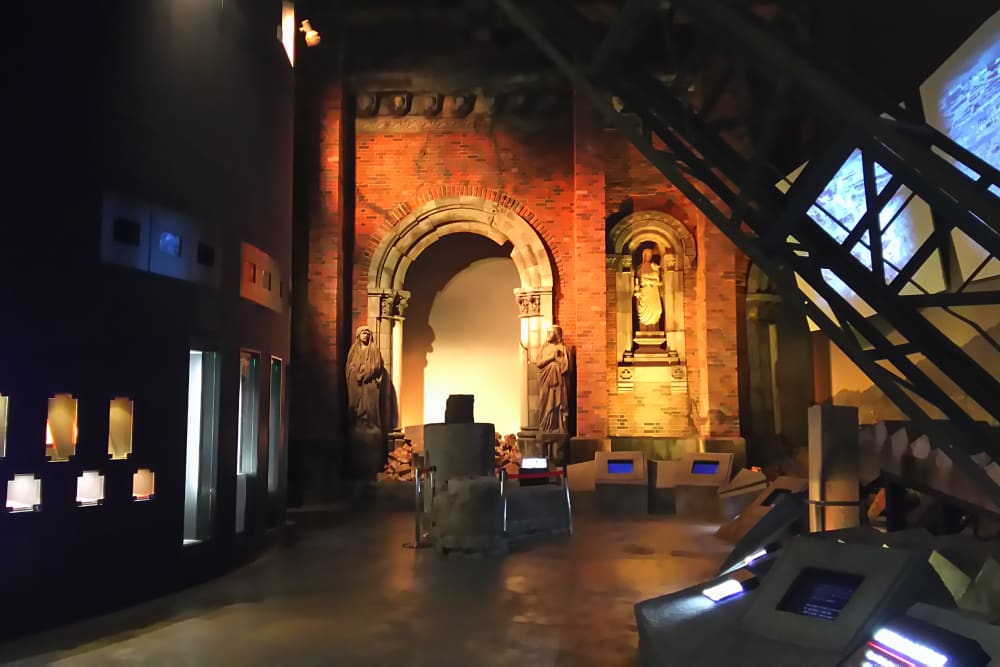
Upon entering the Nagasaki Atomic Bomb Museum, visitors are immediately confronted with the remnants of the past. The imposing exterior of the museum serves as a visual reminder of the destruction caused by the bomb. Inside, the exhibits cover the history of Nagasaki both before and after the bomb, providing a comprehensive understanding of the city’s journey.
One of the most striking exhibits is a mangled water tower that was once at Keiho Junior High School, just 800 meters from the bomb’s hypocenter. This structure, along with many others, showcases the devastation that occurred on that tragic day. The museum also displays artifacts belonging to victims who perished in the explosion, such as burnt clothes, broken toys, and a watch frozen at the exact moment the bomb dropped. These items serve as powerful reminders of the lives lost and the irreversible impact of the bomb.
A mission to educate
The Nagasaki Atomic Bomb Museum has a clear mission: to educate visitors about the horrors of war and advocate for the abolition of nuclear weapons. The materials on display are often provocative, but they are crucial for fostering a deeper understanding of the consequences of nuclear warfare. The firsthand accounts from survivors provide a human perspective that is essential for realizing the importance of lasting world peace.
Visitors to the museum may find themselves surrounded by school children on educational tours. These tours play a significant role in educating the younger generation about the atrocities of war and the importance of peace. By immersing themselves in the exhibits and listening to the stories of survivors, these students gain a deeper appreciation for the fragility of peace and the need to prevent future conflicts.
Hope springs eternal
As visitors conclude their visit to the Nagasaki Atomic Bomb Museum, they are encouraged to make a side trip to the nearby Atomic Bomb Hypocenter Park. This park serves as a symbol of hope and resilience. A smooth black-stone column marks the point above which the bomb exploded, surrounded by statues and figures praying for peace and a better future. This peaceful setting offers a moment of reflection and serves as a reminder that even in the face of unimaginable tragedy, hope can still prevail.
In conclusion, the Nagasaki Atomic Bomb Museum stands as a testament to the devastating impact of war and the importance of peace. Through its exhibits and firsthand accounts, it provides a comprehensive understanding of the events that unfolded on August 9, 1945. By confronting the horrors of the past, the museum aims to educate visitors and contribute to the abolition of nuclear weapons. Visiting this museum is not only a way to pay tribute to the victims of the atomic bomb but also a reminder of the fragility of peace and the need for continued efforts to create a better world.
Address And Maps Location:
7-8 Hirano-machi, Nagasaki-shi, Nagasaki-ken
Find Location And Direction On Google Maps
Subscribe, follow travelbloggerindonesia.com