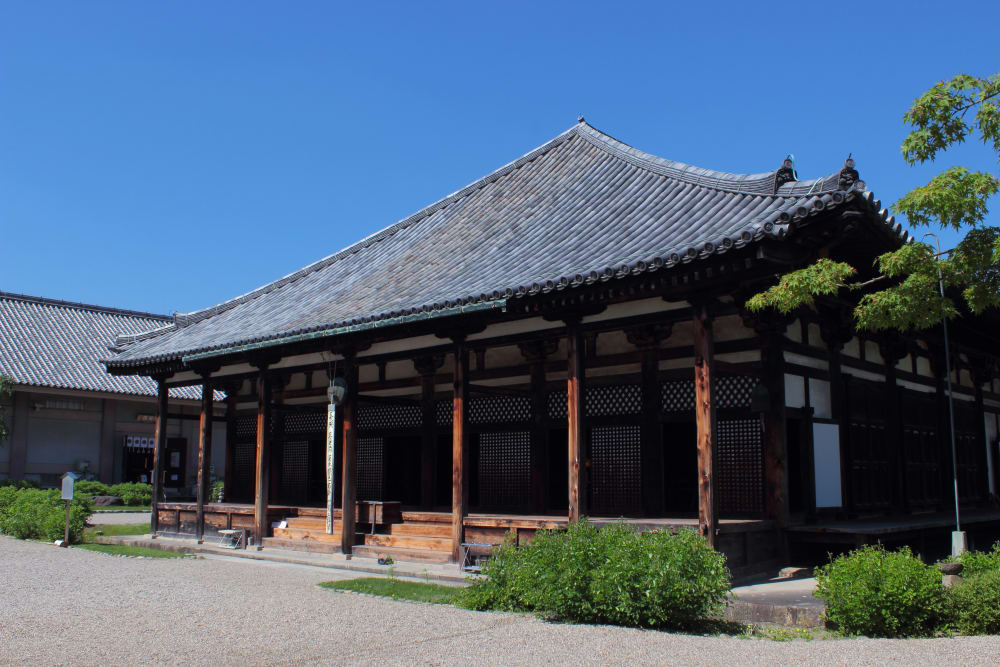
Mandala, Carved Statues, and Secrets at Gangoji Temple
Introduction:
Gangoji Temple, located in Nara, japan, is often overlooked by tourists. However, this hidden gem holds many secrets waiting to be revealed. Despite its deceptively simple exterior, the temple is home to stunning mandala art and mischievous ogre statues. As a testament to its cultural significance, Gangoji Temple is registered as a UNESCO World Heritage site. In this article, we will explore the fascinating history and attractions of this temple.
Don’t Miss:
1. Finding the Five Hidden Oni Statues: One of the highlights of visiting Gangoji Temple is the opportunity to search for the five hidden oni, or ogre, statues scattered around the temple grounds. These whimsical and mischievous statues add a touch of intrigue and fun to the temple experience.
2. The Horinkan and Its Temple Treasures: Adjacent to the main hall, the Horinkan houses important temple treasures. As you enter the Horinkan, your eyes will be immediately drawn to a small pagoda, which is believed to have served as a model for larger pagodas. This five-story pagoda is the only one of its kind that has survived from the Nara period, making it a truly remarkable sight.
3. The Mandalas in the Main Hall: The main hall of Gangoji Temple is home to four mandalas, which are intricate Buddhist works of art. Among them, the Chiko Mandala is particularly noteworthy as it depicts rebirth in paradise. Devotees and visitors alike can admire these beautiful mandalas and even meditate in front of the Chiko Mandala, creating a serene and contemplative atmosphere.
The Asuka of Nara:
Gangoji Temple has an interesting historical connection to Asuka Temple (Hokkoji) in Asuka. Originally, Gangoji Temple served as the predecessor to Asuka Temple and was later rebuilt when the capital was moved to Heijo-kyo, present-day Nara. This historical link gives Gangoji Temple the nickname “The Asuka of Heijo-Kyo,” highlighting its significance in preserving Japan’s ancient heritage.
Mandalas and Meditation:
The main hall of Gangoji Temple is the focal point of the temple’s attractions. Inside, visitors can marvel at the four exquisite mandalas, each with its own unique symbolism. Mandalas are intricate geometric patterns that represent the universe in Buddhist art. The Chiko Mandala, in particular, captivates devotees with its depiction of the cycle of rebirth and the ultimate goal of attaining paradise.
For those seeking a moment of tranquility, the main hall also offers a space for meditation. Sitting in front of the Chiko Mandala, visitors can immerse themselves in a peaceful atmosphere, allowing their minds to find solace and inner peace.
Don’t Miss the National Treasures:
Located to the left of the main hall is the Horinkan, where numerous temple treasures are enshrined. Among these treasures is a seated statue of the celestial buddha, Amida Nyorai, which is designated as an Important Cultural Property. This statue represents the compassionate nature of the buddha and serves as an object of devotion for worshippers.
Another notable treasure in the Horinkan is the statue of the monk Kobo Daishi, a revered figure in Japanese Buddhism. Kobo Daishi was a scholar and monk who made significant contributions to the development of Buddhism in Japan. His statue is a testament to his spiritual wisdom and influence.
Additionally, the Horinkan houses a statue of Prince Shotoku, a historical figure known for his efforts in promoting Buddhism and establishing a centralized government in ancient Japan. This statue portrays Prince Shotoku at the age of sixteen, depicting his youthful determination and potential.
Conclusion:
Gangoji Temple is a hidden gem in Nara, Japan, offering visitors a unique and enriching experience. From the intricate mandalas in the main hall to the mischievous ogre statues scattered around the temple grounds, Gangoji Temple is a treasure trove of cultural and artistic wonders. The temple’s historical significance and its status as a UNESCO World Heritage site further add to its allure.
Whether you are a history enthusiast, a lover of art, or simply seeking a moment of tranquility, Gangoji Temple has something to offer. Take the time to explore this hidden gem, and you will be rewarded with a deeper understanding of Japan’s rich cultural heritage.
Address And Maps Location:
11 Chuin-cho, Nara-shi, Nara-ken
Find Location And Direction On Google Maps
Subscribe, follow travelbloggerindonesia.com