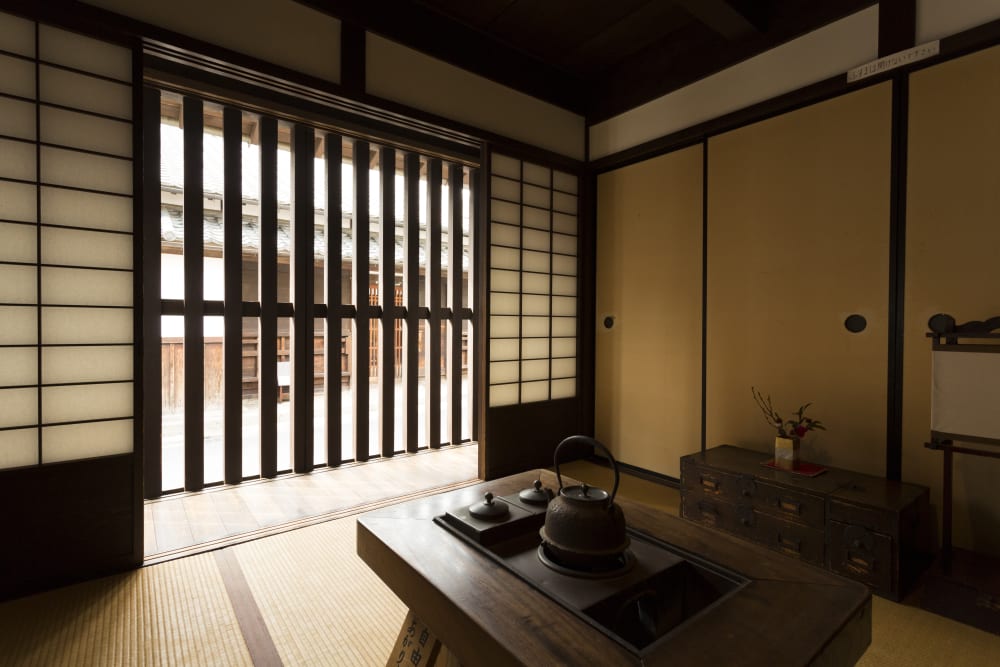
Nara’s old merchant district—a historical area with a touch of contemporary chic
Naramachi, the old merchant district of Nara, is a fascinating blend of history and modernity. Once the domain of Nara’s merchants, this area has now transformed into a hub of museums, trendy boutiques, quirky cafes, and shops specializing in Japanese sweets. Alongside its cultural attractions, such as Gangoji Temple and other temples, Naramachi offers a unique experience with its traditional and contemporary facades.
The charm of Naramachi lies in its ability to transport visitors back in time while also embracing the present. The former merchant residences, now converted into museums, provide a glimpse into the past lives of Nara’s merchants. These museums showcase the rich history and heritage of the area, offering a deeper understanding of the local culture.
One of the highlights of Naramachi is its sweets shops specializing in local confections. These shops offer a wide variety of traditional Japanese sweets, made with locally sourced ingredients. From delicate wagashi (traditional Japanese confections) to mouth-watering dorayaki (sweet pancakes filled with red bean paste), these shops are a must-visit for anyone with a sweet tooth.
Another notable attraction in Naramachi is the Nara Craft Museum. This museum showcases the exquisite craftsmanship of local artisans, displaying a wide range of traditional and contemporary artworks. Visitors can admire beautiful ceramics, intricate lacquerware, and stunning textiles, all created by talented craftsmen from the Nara region.
Gangoji Temple, a cultural relic from the Asuka period (552-645), is another gem in Naramachi. This temple has strong influences from the Baekje Kingdom, a former kingdom of Korea. The early construction of the temple was supported by the king of Paekche in Korea and Korean artisans. The architecture and roof tiles of Gangoji Temple reflect the cultural exchange between japan and Korea during that time.
The temple complex, which once covered most of the town, has gradually been encroached upon by the expanding city. However, Gangoji Temple still stands as a testament to the historical significance of the area. It is not only a place of worship but also a symbol of the cultural ties between Japan and Korea.
One interesting fact about Gangoji Temple is its connection to Japan’s traditional summer festival, O-bon. This festival, which honors the dead, originated in Nara and was first celebrated at Gangoji Temple. The temple plays a significant role in preserving this ancient tradition and continues to host O-bon festivities to this day.
Exploring the narrow lanes of Naramachi is like stepping into a different time. The machiya, traditional townhouses that once served as both storefronts and residences, line the streets. These machiya have narrow frontages, which helped the merchants avoid heavy taxes based on street access measurements.
The architecture of these machiya is unique, featuring decorative stucco or clay walls and wooden lattice windows. The deep and narrow design of these homes provided functionality, privacy, and comfort to the merchants. Inner gardens and passage gardens allowed for light and wind to pass through the home, creating a pleasant living environment.
Some of the machiya have been converted into museums, offering visitors an up-close look at the architectural features and lifestyle of the past. The Naramachi Nigiwai-no-le, a 100-year-old townhouse, allows visitors to experience life as it was in the past. The Naramachi Koshi-no-Ie, an exact replica of a traditional townhouse, offers insights into the daily lives of Nara’s merchants.
As interest in machiya has grown, many of these traditional townhouses have been converted into stylish cafes, shops, and guesthouses. Visitors can now enjoy great food, quaint bars, handicrafts, traditional sweets, and fashionable clothing boutiques in these beautifully preserved buildings. Naramachi has become a hub for creativity and innovation, attracting locals and tourists alike.
A visit to Naramachi is best combined with a day of sightseeing in Nara. The area offers a perfect complement to the famous attractions in Nara Park, such as Todaiji Temple, Kasuga Taisha Shrine, and Kofukuji Temple. Plan on spending at least half a day exploring the Naramachi area, including Gangoji Temple, Naramachi Nigiwai-no-le, Koshi-no-Ie Residence, Nara Craft Museum, Sarusawa-no-ike Pond, and a few shops. Immerse yourself in the rich history and vibrant culture of Naramachi for a truly unforgettable experience.
In conclusion, Naramachi in Nara is a captivating blend of history and contemporary charm. The former merchant district has reinvented itself as a cultural and artistic hub, offering visitors a unique glimpse into the past while embracing modernity. From museums and trendy boutiques to sweets shops and traditional townhouses, Naramachi has something to offer for everyone. Explore the narrow lanes, immerse yourself in the rich history, and indulge in the local delicacies for a truly memorable experience in Naramachi.
Address And Maps Location:
Nara-shi, Nara-ken
Find Location And Direction On Google Maps
Subscribe, follow travelbloggerindonesia.com