Key Takeaways
Ban Rai Phai Ngam: A Cultural Gem in Chiang Mai
Introduction
Nestled between kilometers 69 and 70 on the Chiang Mai-Hot route, Ban Rai Phai Ngam is a village renowned for its exquisite traditional cotton weaving. This charming locale is a treasure trove of cultural heritage, offering visitors a unique glimpse into the artistry and craftsmanship that define its identity. Just a kilometer beyond a left turn along the route, this village beckons with its vibrant tapestry of history and tradition.
The Art of Traditional Cotton Weaving
Ban Rai Phai Ngam is celebrated for its high-quality, traditionally woven cotton. This craft is not merely a means of livelihood for the villagers but a deeply rooted cultural practice that has been passed down through generations. The weaving process is intricate, involving the use of natural dyes and traditional techniques that have been preserved over time. Each piece of fabric tells a story, reflecting the artistry and dedication of the weavers who create them.
The Museum of Pa Sanda Bansit
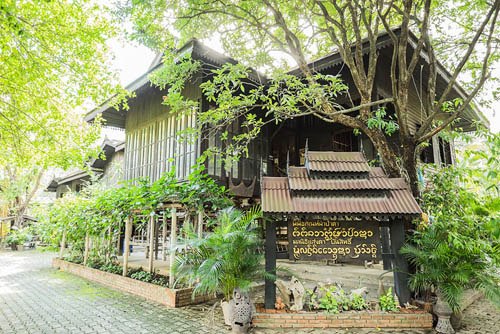
One of the highlights of visiting Ban Rai Phai Ngam is the opportunity to explore the Museum of Pa (Aunt) Sanda Bansit. Located by the serene Mae Ping River, this museum is actually the home of Pa Sanda Bansit herself, a master weaver and a revered figure in the community. Here, visitors can admire an impressive collection of naturally dyed cotton works, showcasing the skill and creativity of Pa Sanda and her trainees. The museum is open daily from 9 am to 5 pm, offering a welcoming space for those eager to learn more about this traditional craft.
Location and Contact Information
Ban Rai Phai Ngam is conveniently situated between kilometers 69 and 70 along the Chiang Mai-Hot route, in Amphoe Mae Cham, Chiang Mai. For those interested in visiting or seeking more information, the village can be contacted at the following numbers: 0 5336 1231 or 0 5327 3625. Additionally, inquiries can be sent via fax at 0 5336 1230. More details about the site can be found on the official Tourism thailand website.
Cultural Significance and Preservation Efforts
The traditional weaving practices of Ban Rai Phai Ngam hold significant cultural value, representing a link between the past and present. The community takes great pride in preserving this heritage, ensuring that the art of weaving continues to thrive. Efforts to sustain and promote the craft include training programs for younger generations, exhibitions, and collaborations with cultural organizations. These initiatives not only support the local economy but also foster a deeper appreciation for the cultural richness of the region.
Conclusion
Ban Rai Phai Ngam stands as a testament to the enduring beauty of traditional craftsmanship. Its high-quality cotton weaves are a reflection of the village’s rich cultural heritage and the dedication of its artisans. A visit to this enchanting place offers more than just a glimpse into the past; it provides an opportunity to connect with the timeless art of weaving and the vibrant community that keeps it alive. Whether you’re a cultural enthusiast or simply looking to explore a unique facet of Thai heritage, Ban Rai Phai Ngam promises an enriching and memorable experience.
—
The Journey to Ban Rai Phai Ngam
Located conveniently between kilometers 69 and 70 along the Chiang Mai-Hot route, the journey to Ban Rai Phai Ngam is a scenic drive through the lush landscapes of Northern Thailand. As you travel along this route, the anticipation builds, knowing that you are about to discover a place where tradition and artistry converge.
A Glimpse into the Weaving Process
The traditional cotton weaving process at Ban Rai Phai Ngam is a meticulous art form that requires patience, skill, and an eye for detail. The first step involves preparing the cotton, which is carefully cleaned and spun into threads. These threads are then dyed using natural materials sourced from the local environment. The dyeing process is a crucial aspect of the craft, as it imparts a unique character to each piece of fabric.
Once the threads are ready, the weaving begins. Using traditional wooden looms, the weavers skillfully interlace the threads to create intricate patterns and designs. The rhythmic clatter of the looms is a soothing sound that echoes through the village, a testament to the dedication and expertise of the artisans.
The Legacy of Pa Sanda Bansit
Pa Sanda Bansit, affectionately known as Aunt Sanda, is a pivotal figure in the preservation of traditional weaving techniques in Ban Rai Phai Ngam. Her commitment to the craft is evident in the beautiful works displayed in her museum. Visitors to the museum have the opportunity to witness firsthand the artistry and innovation that characterize Aunt Sanda’s creations.
Beyond showcasing finished pieces, the museum also serves as an educational hub where visitors can learn about the history and techniques of traditional weaving. Workshops and demonstrations are often held, allowing guests to try their hand at weaving and gain a deeper understanding of the craft.
The Importance of Natural Dyes
The use of natural dyes is a hallmark of Ban Rai Phai Ngam’s weaving tradition. Derived from plants, minerals, and other natural sources, these dyes produce a rich palette of colors that are both vibrant and environmentally friendly. The process of creating natural dyes is an art in itself, requiring knowledge of local flora and an understanding of how different materials interact to produce various hues.
Natural dyes not only enhance the aesthetic appeal of the woven fabrics but also contribute to the sustainability of the craft. By utilizing resources sourced from the surrounding environment, the weavers of Ban Rai Phai Ngam maintain a harmonious relationship with nature, ensuring that their practices remain sustainable for future generations.
Community Involvement and Economic Impact
The weaving industry in Ban Rai Phai Ngam plays a vital role in the community, providing employment and supporting the local economy. Many families in the village are involved in various aspects of the weaving process, from growing and harvesting the raw materials to creating the final products.
In addition to direct economic benefits, the craft has also attracted tourists and cultural enthusiasts to the area, boosting local businesses and encouraging the development of related services such as accommodation and dining. The village’s commitment to preserving its cultural heritage has positioned it as a unique destination that offers visitors an authentic and enriching experience.
Future Prospects and Challenges
While the traditional weaving practices of Ban Rai Phai Ngam have been successfully preserved and promoted, the village faces ongoing challenges in ensuring the sustainability of the craft. Modernization and changing consumer preferences pose potential threats to traditional practices, making it essential for the community to adapt and innovate.
Efforts to address these challenges include exploring new markets, diversifying product offerings, and leveraging digital platforms to reach a wider audience. Additionally, collaborations with cultural organizations and participation in international exhibitions provide opportunities to showcase the unique artistry of Ban Rai Phai Ngam on a global stage.
Conclusion
Ban Rai Phai Ngam is more than just a village; it is a living testament to the enduring beauty and cultural significance of traditional cotton weaving. The dedication of its artisans, the legacy of figures like Pa Sanda Bansit, and the community’s commitment to preserving this heritage make it a truly exceptional destination. As visitors explore the intricacies of the craft and immerse themselves in the vibrant culture of the village, they become part of a story that transcends generations—a story woven together by threads of tradition, creativity, and resilience.
Address And Location:
Sop Tia Chom Thong Chiang Mai 50160