Key Takeaways
Preserving the Ancient Weaving Tradition
Historical Significance of the Weaving Center
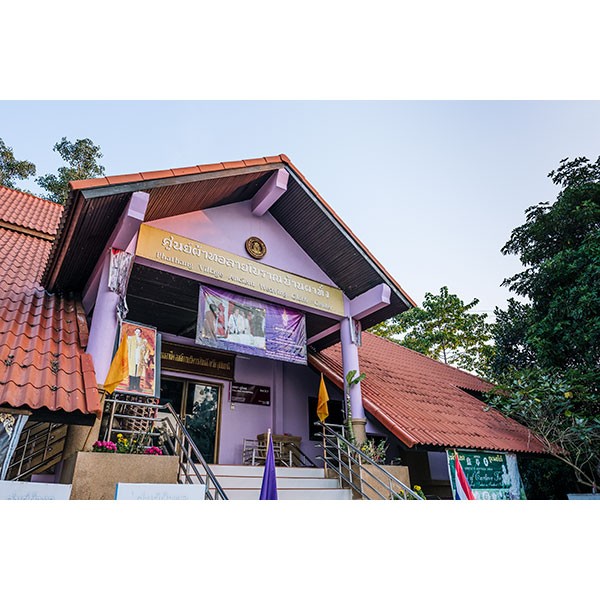
The weaving center located in Huai Haeng Subdistrict serves as a living testament to the rich cultural heritage of the Laotian community that migrated to central thailand centuries ago. This community has successfully preserved their unique weaving traditions, which include intricate patterns, vibrant colors, and traditional dyeing techniques. These methods have been carefully passed down through generations, spanning over two to three centuries. The center stands as a remarkable example of cultural preservation, where visitors can witness the artistry and craftsmanship of Laotian weaving firsthand.
The Artistry of Laotian Weaving
At the heart of the weaving center’s offerings are items such as the Pha Sin tube skirt, loincloths, tote bags, headscarves for ordination ceremonies, blankets, and pre-wedding bedding sets. Each piece is a masterpiece, reflecting the dedication and skill of the artisans who create them. These items are not only functional but also serve as cultural symbols, embodying the traditions and values of the Laotian people. The weaving process itself is a meticulous art form, requiring precision and patience, as artisans carefully blend colors and patterns to create stunning textiles.
UNESCO Recognition and Cultural Impact
The weaving center’s commitment to preserving and promoting this ancient craft has earned it international acclaim. It has been honored with a UNESCO world-class award, a testament to the global significance of Laotian weaving. This recognition not only highlights the center’s dedication to cultural preservation but also elevates the status of Laotian weaving on the world stage. The UNESCO award underscores the importance of safeguarding intangible cultural heritage and serves as a reminder of the need to protect and promote traditional crafts.
Traditional Practices in Marriage Ceremonies
In Laotian culture, traditional practices play a significant role in marriage ceremonies. Before the wedding, it is customary for brides to hand-weave their own bedding sets. This involves spinning cotton, weaving the fabric, and assembling it into a complete bedding set. This practice is deeply rooted in tradition and symbolizes the bride’s dedication, skill, and readiness for married life. The creation of these bedding sets is a labor of love and an important rite of passage, reinforcing the cultural significance of weaving in the Laotian community.
Recognition as Best One Tambon, One Product (OTOP)
In addition to its UNESCO recognition, the weaving center received the prestigious Best One Tambon, One Product (OTOP) national award in 2003. This accolade highlights the center’s excellence in craftsmanship and its contribution to the local economy. The OTOP program aims to promote unique products from different regions of Thailand, and the weaving center’s award underscores its importance as a cultural and economic asset. The recognition has helped to attract more visitors and fostered a greater appreciation for Laotian weaving.
Visiting the Weaving Center
Operating Hours and Visitor Information
The weaving center is open daily from 09:00 to 17:00 hours, providing ample opportunity for visitors to explore and experience the rich tapestry of Laotian weaving traditions. The center welcomes individuals and groups, offering guided tours and hands-on experiences that allow visitors to engage with the craft. Whether you are a textile enthusiast or simply curious about cultural heritage, the center offers a unique and educational experience.
Contact Information
For further details about visiting the weaving center, interested individuals can contact the center at Tel. (66)8 3316 5128. The staff is available to answer questions, provide information on tours and workshops, and assist with any inquiries. The weaving center stands as a beacon of cultural preservation, inviting visitors to immerse themselves in the beauty and history of Laotian weaving.
—
[Detailed Analysis of Each Section]
The following sections provide a detailed analysis of the various aspects of the weaving center, each explored in depth with a focus on historical context, cultural significance, and modern-day impact. This comprehensive exploration aims to provide readers with a thorough understanding of the weaving center’s role in preserving Laotian heritage and promoting traditional crafts.
Historical Significance of the Weaving Center
The weaving center in Huai Haeng Subdistrict is not merely a place of production; it is a living museum that encapsulates the history and culture of the Laotian community in Thailand. The center’s establishment was driven by the need to preserve the distinct weaving traditions brought by Laotian migrants. Over the centuries, these migrants integrated into Thai society while maintaining their cultural identity through the art of weaving.
The historical significance of the center lies in its ability to bridge the past and present. By preserving ancient techniques, the center ensures that the knowledge and skills of past generations are not lost to time. It serves as a repository of cultural memory, where each woven piece tells a story of migration, adaptation, and resilience. The center’s dedication to preserving these traditions reflects a broader commitment to cultural heritage and identity.
The Artistry of Laotian Weaving
Laotian weaving is characterized by its intricate patterns and vibrant colors, each with its own cultural significance. The Pha Sin tube skirt, for example, is a traditional garment that embodies the elegance and craftsmanship of Laotian weavers. The process of creating these garments involves selecting high-quality cotton, dyeing the threads using natural dyes, and weaving them into intricate patterns. This meticulous process requires a deep understanding of color theory, pattern design, and textile techniques.
Each woven item produced at the center is a testament to the weavers’ artistic vision and technical expertise. The center’s artisans are skilled in traditional techniques such as ikat, a resist dyeing method that creates intricate patterns on fabric. The use of natural dyes, derived from plants and minerals, adds a unique richness to the colors, making each piece a one-of-a-kind work of art.
UNESCO Recognition and Cultural Impact
The UNESCO world-class award bestowed upon the weaving center is a significant milestone in its history. This recognition acknowledges the center’s role in preserving and promoting intangible cultural heritage. It highlights the global importance of Laotian weaving and its contribution to cultural diversity.
The impact of the UNESCO award extends beyond the center itself. It has elevated the status of Laotian weaving on the international stage, attracting attention from scholars, artists, and cultural enthusiasts worldwide. The award has also inspired other communities to recognize and preserve their own cultural heritage, fostering a greater appreciation for traditional crafts.
Traditional Practices in Marriage Ceremonies
Marriage ceremonies in the Laotian community are steeped in tradition, with weaving playing a central role. The practice of brides hand-weaving their own bedding sets is a time-honored tradition that symbolizes skill, dedication, and the continuity of cultural heritage. This practice reflects the community’s values and the importance of weaving as a cultural cornerstone.
The process of creating these bedding sets is both labor-intensive and rewarding. Brides begin by spinning cotton into thread, a skill passed down from generation to generation. They then weave the threads into fabric, incorporating traditional patterns and colors that hold cultural significance. The completed bedding set is not only a practical item but also a symbol of the bride’s readiness for marriage and her connection to her cultural heritage.
Recognition as Best One Tambon, One Product (OTOP)
The OTOP national award received by the weaving center in 2003 is a testament to its excellence in craftsmanship and its contribution to the local economy. The OTOP program, initiated by the Thai government, aims to promote unique products from different regions, encouraging local entrepreneurship and cultural preservation.
The weaving center’s recognition as the Best OTOP product underscores its importance as a cultural and economic asset. This accolade has helped to increase awareness and appreciation of Laotian weaving, attracting more visitors and boosting the local economy. The center’s success serves as a model for other communities, demonstrating the potential of traditional crafts to drive economic and cultural development.
Visiting the Weaving Center
The weaving center offers a unique opportunity for visitors to immerse themselves in the rich tapestry of Laotian weaving traditions. Open daily from 09:00 to 17:00 hours, the center provides guided tours and workshops that allow visitors to engage with the craft. These experiences offer a deeper understanding of the weaving process and its cultural significance, making the center a must-visit destination for anyone interested in cultural heritage.
For further details about visiting the weaving center, individuals can contact the center at Tel. (66)8 3316 5128. The staff is available to provide information on tours, workshops, and other activities, ensuring that visitors have a memorable and educational experience.
In conclusion, the weaving center in Huai Haeng Subdistrict stands as a beacon of cultural preservation, promoting the rich heritage of Laotian weaving. Its recognition by UNESCO and the OTOP program underscores its significance as a cultural and economic asset. Through its commitment to preserving traditional crafts, the center offers a unique glimpse into the past, present, and future of Laotian weaving.
Address And Location:
Huai Haeng Ban Rai Uthai Thani 61140