Key Takeaways
Wat Supattanaram: A Royal Temple of the Dhammayut Sect
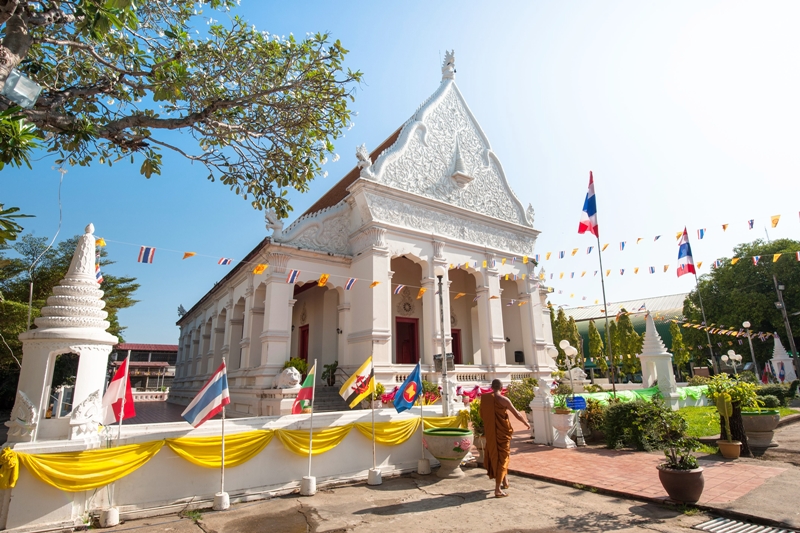
Wat Supattanaram is a distinguished royal temple affiliated with the Dhammayut sect, situated in the northeastern region of thailand. Perched along the serene bank of the Mun River, the temple is nestled amid picturesque natural scenery, offering a peaceful retreat for visitors. Established in 1853, the temple boasts a unique blend of Thai, Chinese, and European architectural styles, prominently featured in its ordination hall which houses the principal Buddha image. Open to the public daily from 6:00 AM to 5:00 PM, Wat Supattanaram invites both locals and tourists to explore its rich history and spiritual significance.
Historical Background of Wat Supattanaram
Founded in 1853, Wat Supattanaram stands as a testament to the historical and cultural amalgamation that characterizes much of Thai architectural heritage. The temple’s inception during the mid-19th century coincided with a period of significant transformation in Thailand, as Western influences began to permeate the region. This era of change is vividly reflected in the temple’s architectural design, which seamlessly integrates elements from Thai, Chinese, and European styles, making it a remarkable example of cultural synthesis.
The establishment of Wat Supattanaram was part of a broader movement to promote the Dhammayut sect, a reformist Buddhist order founded by Prince Mongkut (later King Rama IV). This sect emphasized stricter adherence to monastic codes and sought to purify Buddhist practices by aligning them more closely with the original teachings of the Buddha. The temple’s royal status underscores its importance within the Dhammayut sect and its role in advancing these reformist ideals.
Architectural Significance
The architectural grandeur of Wat Supattanaram is one of its most captivating features. The ordination hall, or ‘ubosot,’ is a striking embodiment of the fusion of Thai, Chinese, and European architectural elements. The intricate details and harmonious proportions of the structure reflect the artistic prowess and cultural exchanges that characterized the period of its construction.
Thai Influence
The Thai influence is evident in the temple’s overall layout and the design of its roofs. Traditional Thai architectural features, such as tiered roofs and elaborate gables adorned with intricate carvings, are prominently displayed. These elements not only enhance the aesthetic appeal of the temple but also signify its spiritual and cultural significance.
Chinese Elements
Chinese architectural influence is subtly integrated into the temple’s design through decorative motifs and structural elements. The use of vibrant colors and ornate patterns in the temple’s interior and exterior decorations reflects the Chinese aesthetic sensibilities of the era. Additionally, certain structural innovations, such as the use of certain types of tiles and woodwork, demonstrate the cross-cultural exchanges between Thai and Chinese artisans.
European Style
The European influence is particularly noticeable in the temple’s structural symmetry and the use of certain construction techniques. The incorporation of European elements reflects the broader historical context of increased European presence and influence in Thailand during the mid-19th century. This blend of styles not only adds to the temple’s visual appeal but also serves as a historical record of the cultural interactions that occurred during this period.
Spiritual and Cultural Importance
Wat Supattanaram plays a vital role in the spiritual and cultural life of the local community. As a center for religious activities and ceremonies, the temple serves as a focal point for the practice of Buddhism in the region. It provides a space for meditation, prayer, and the study of Buddhist teachings, fostering spiritual growth and community cohesion.
The temple’s status as a royal temple of the Dhammayut sect further enhances its spiritual significance. It serves as a hub for the dissemination of the sect’s teachings and practices, attracting monks and lay practitioners from across the region. The temple’s association with the Dhammayut sect underscores its commitment to maintaining the purity and authenticity of Buddhist practices, as advocated by Prince Mongkut.
Visiting Wat Supattanaram
Visitors to Wat Supattanaram can expect a serene and spiritually enriching experience. The temple grounds are meticulously maintained, offering a tranquil environment for reflection and contemplation. The picturesque setting along the Mun River provides a stunning backdrop for the temple’s architectural beauty, enhancing the overall visitor experience.
The temple is open to the public daily from 6:00 AM to 5:00 PM, allowing ample time for exploration and meditation. Visitors are encouraged to participate in the temple’s religious activities and to engage with the resident monks, who are often willing to share insights into the temple’s history and spiritual significance.
In conclusion, Wat Supattanaram stands as a remarkable testament to the rich cultural and spiritual heritage of Thailand. Its unique architectural blend, historical significance, and role as a spiritual center make it a must-visit destination for those seeking to explore the depth and diversity of Thai culture and Buddhism.
Address And Location:
Nai Mueang Mueang Ubon Ratchathani Ubon Ratchathani 34000