Pure Spring Waters and Hot Springs in Taketa: Exploring the Natural Beauty of Oita, japan
Introduction:
Taketa, located in Oita prefecture, Japan, is a hidden gem known for its pure spring waters, hot springs, delicious wine, and trout. This picturesque city offers breathtaking landscapes, clean air, and a serene environment. In this article, we will delve into the wonders of Taketa, highlighting its natural beauty, cultural attractions, and how to get there.
1. The Significance of Taketa’s Pure Spring Waters:
Taketa is renowned for its crystal-clear spring water, sourced from the Aso mountain range. This water has been recognized as one of the best 100 springs in Japan and is used for various purposes. Not only is it ideal for bathing, but it also supports agriculture, particularly in the farming of trout and the production of tofu and sprouts. The abundance of spring water has become a trademark of the city, attracting visitors who seek its refreshing and pure qualities.
2. Nagayu Onsen: The Home of Japan’s Best Carbonated Water Springs:
One of the prominent hot springs in Taketa is Nagayu Onsen, known for its high natural carbonation. This unique characteristic sets it apart from other Japanese hot springs and has led to a cultural exchange with Bad Krozingen in Germany. The carbonated water of Nagayu Onsen is not only enjoyable for bathing but also possesses health-inducing properties. Visitors can immerse themselves in the rejuvenating waters while experiencing the cultural significance of this extraordinary hot spring.
3. Don’t Miss: Must-See Attractions in Taketa:
Taketa offers a range of captivating attractions that should not be missed. Here are some highlights:
3.1 Views from the Summit of Mt. Kuju:
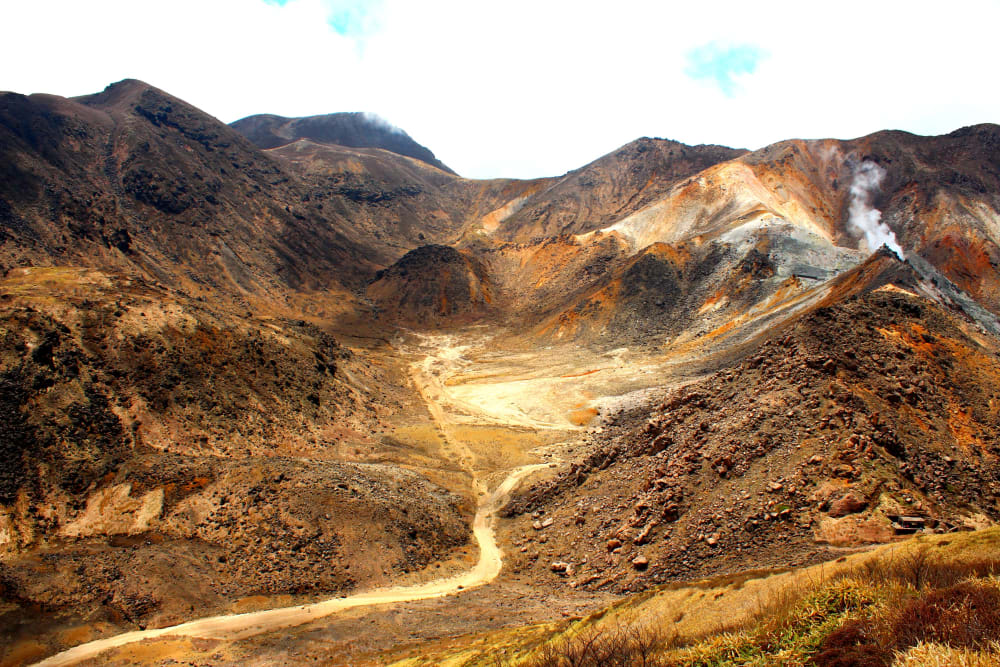
For nature enthusiasts and outdoor adventurers, a trek to the summit of Mt. Kuju is a must. The panoramic views from the top are breathtaking, allowing visitors to marvel at the surrounding mountains and the beauty of the landscape. This experience is particularly enchanting during the late spring and early summer when pink azaleas bloom, creating seas of vibrant colors.
3.2 Colorful Autumn Foliage:
Another spectacle not to be missed in Taketa is the colorful autumn foliage. As the leaves turn shades of red, orange, and yellow, the city transforms into a picturesque wonderland. Visitors can take leisurely walks or hikes through the vibrant forests, immersing themselves in the tranquility and natural beauty that Taketa has to offer.
3.3 Oka Castle Ruins:
Located on top of a hill, the Oka Castle ruins provide a glimpse into the city’s history and the astonishing building techniques of the past. Although the main structures have been torn down, the grand stone walls remain, serving as a testament to the castle’s former grandeur. From the former site, visitors can enjoy stunning panoramic views of the surrounding mountains, further enhancing their experience.
3.4 Kannonji Temple Juroku Rakan:
The statues at Kannonji Temple Juroku Rakan are designated as a form of cultural heritage by the city. These stone figures, positioned on high rocks, overlook the area and hold great significance. It is believed that the Aizendo figures have the power to fulfill people’s wishes related to love. Visitors can explore this cultural treasure, learning about its history and admiring the beauty of the statues.
3.5 Taketa Onsen Hanamizuki:
After a day of exploring Taketa’s wonders, visitors can indulge in relaxation at Taketa Onsen Hanamizuki. This popular bathing spot, easily accessible from Bungo Taketa Station, offers a tranquil and rejuvenating experience. The well-kept wood-paneled building houses large baths where visitors can enjoy a long soak. Additionally, the first floor features a souvenir shop where guests can purchase original Taketa products, including sweets and seasonings, as a memento of their visit.
4. Kuju Wine: Taketa’s Unique Delicacy:
Taketa’s climate is well suited to the cultivation of wine grapes, making it the perfect location for vineyards. Kuju wine, produced in Taketa, is renowned for its quality and unique flavor. Visitors can explore the vineyards, learn about the wine-making process, and indulge in wine tastings. This experience provides a deeper understanding of Taketa’s agricultural richness and the city’s contribution to Japan’s wine industry.
5. How to Get to Taketa:
To reach Taketa, travelers can start their journey from Oita Station. From there, they can take the JR Hohi Line, which takes approximately 80 minutes, and alight at Bungo-Taketa Station. Oita Station is well connected with the Kyudai, Hohi, and Nippo lines, providing easy access to various destinations in Kyushu. With convenient transportation options, reaching Taketa is hassle-free, allowing visitors to commence their exploration of the city promptly.
Conclusion:
Taketa, with its pure spring waters, hot springs, delicious wine, and natural beauty, offers a remarkable experience for travelers seeking tranquility and rejuvenation. Whether it’s immersing oneself in the refreshing waters of Nagayu Onsen, marveling at the panoramic views from Mt. Kuju, or exploring the historical and cultural attractions, Taketa has something to offer every visitor. The city’s commitment to preserving its natural resources and cultural heritage contributes to its allure and makes it a must-visit destination in Japan. So, plan your trip to Taketa and embark on an unforgettable journey through this enchanting city.
Address And Maps Location:
Taketa-shi, Oita-ken
Find Location And Direction On Google Maps
Subscribe, follow travelbloggerindonesia.com